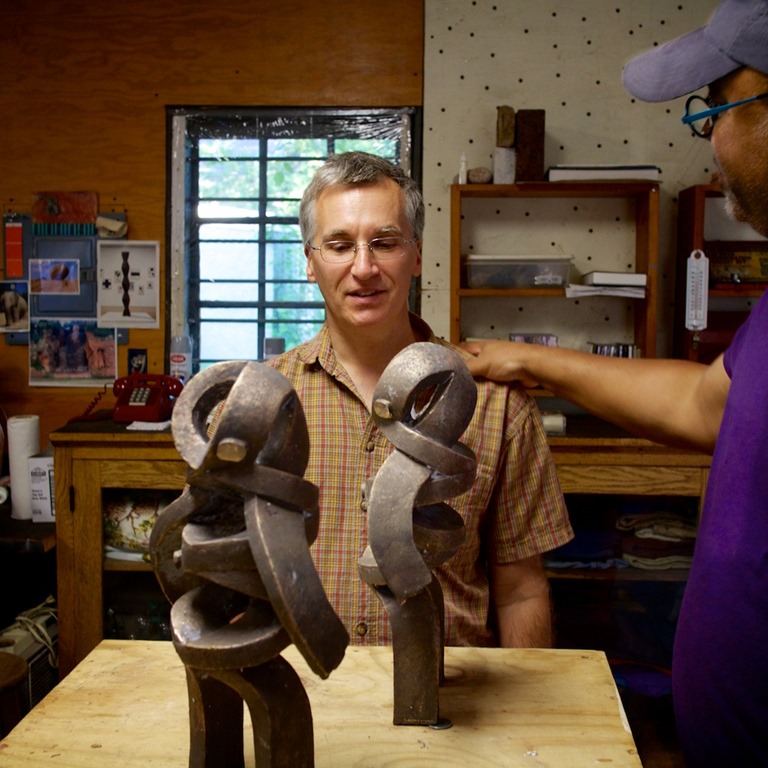
The grand moments that surround and include us, we call Destiny, and the small personal insignificant things, merely “coincidence”. But it’s indeed Destiny that I should be drinking this espresso, in this shop, in this chair, in this sunshine, at this moment; and otherwise, the events of the World are only coincidental.
Category Archives: Uncategorized
Updates Two Through Five
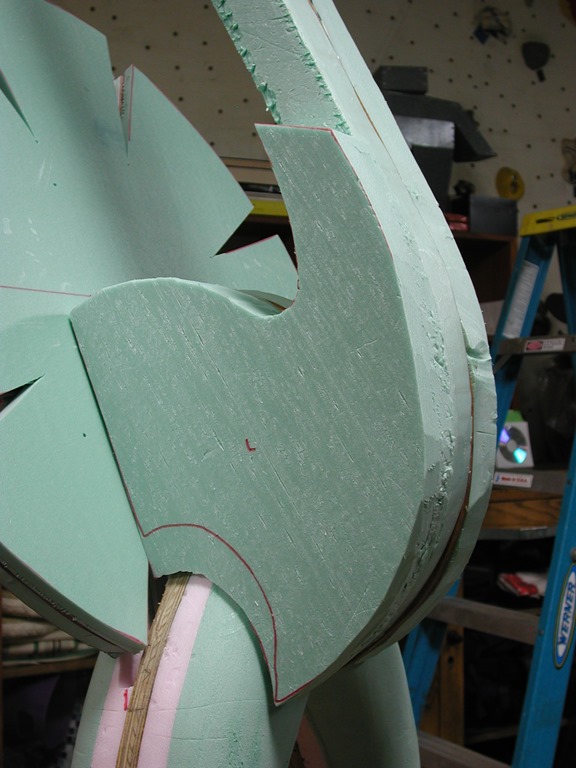
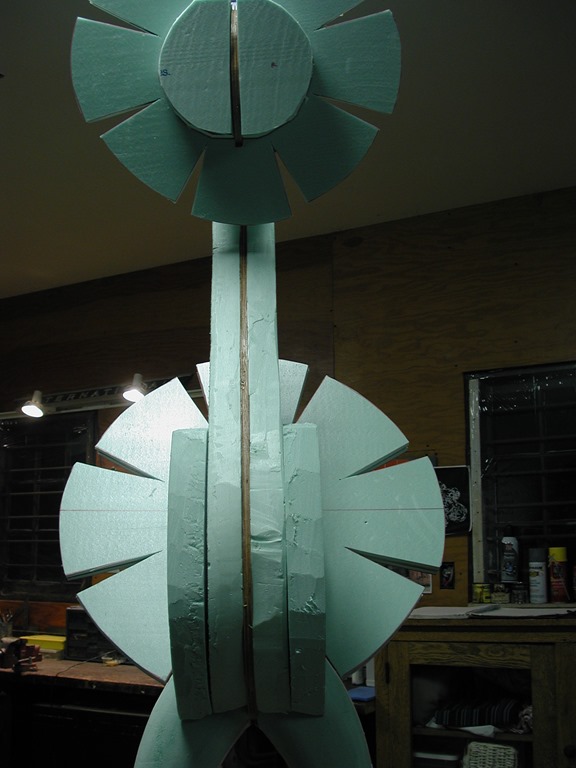
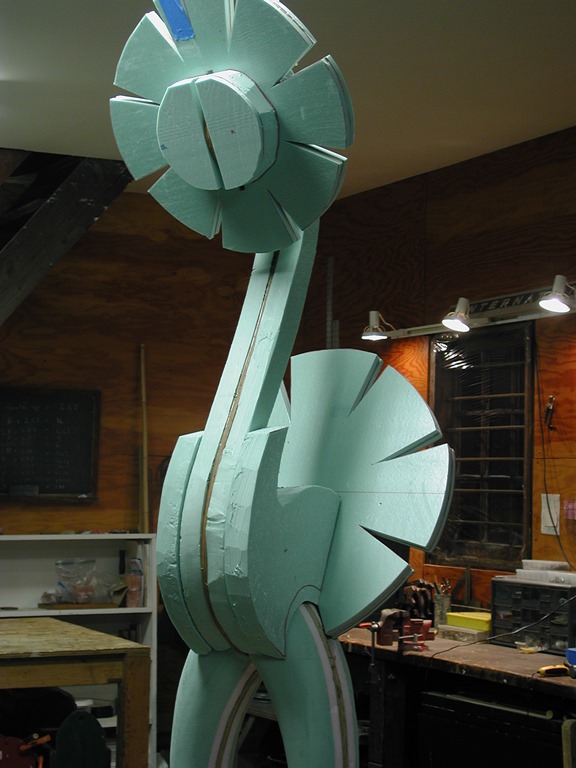
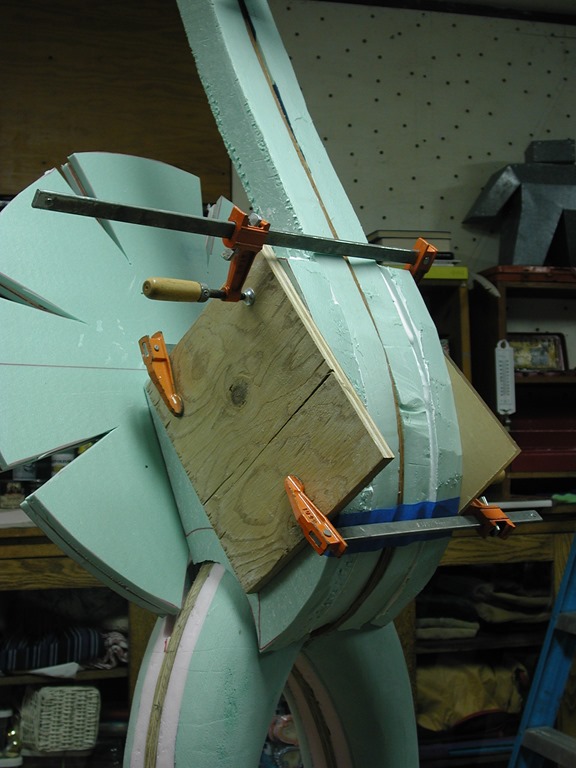
Sometimes you need to turn your brain off, and just sculpt. And so must you quit the narration and simply post photos. I’m so far behind on updates that I’m going to speed-post the rest, which is too bad, because I’m working with a new materials and techniques that are worth documenting. Oh well.
2
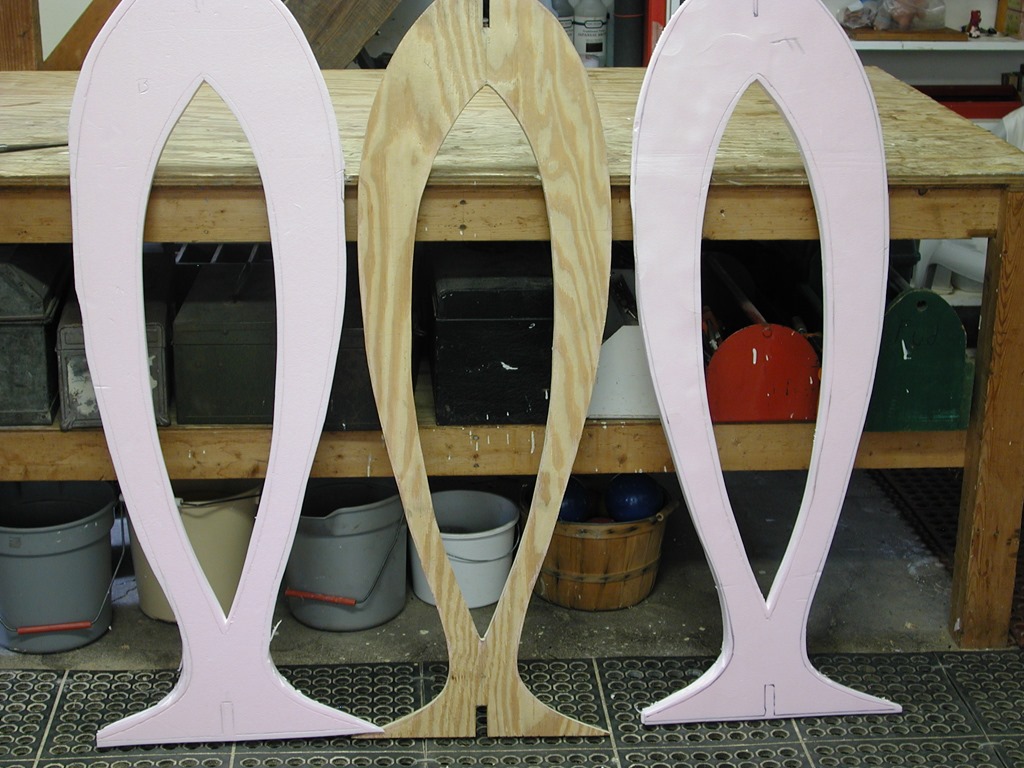
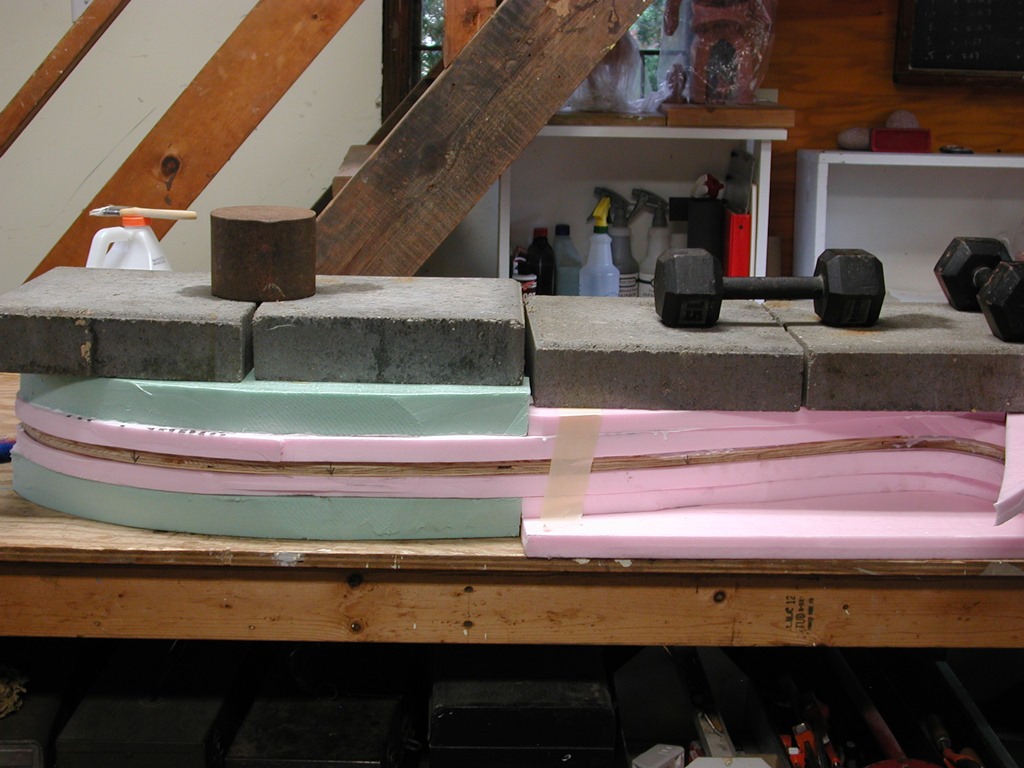
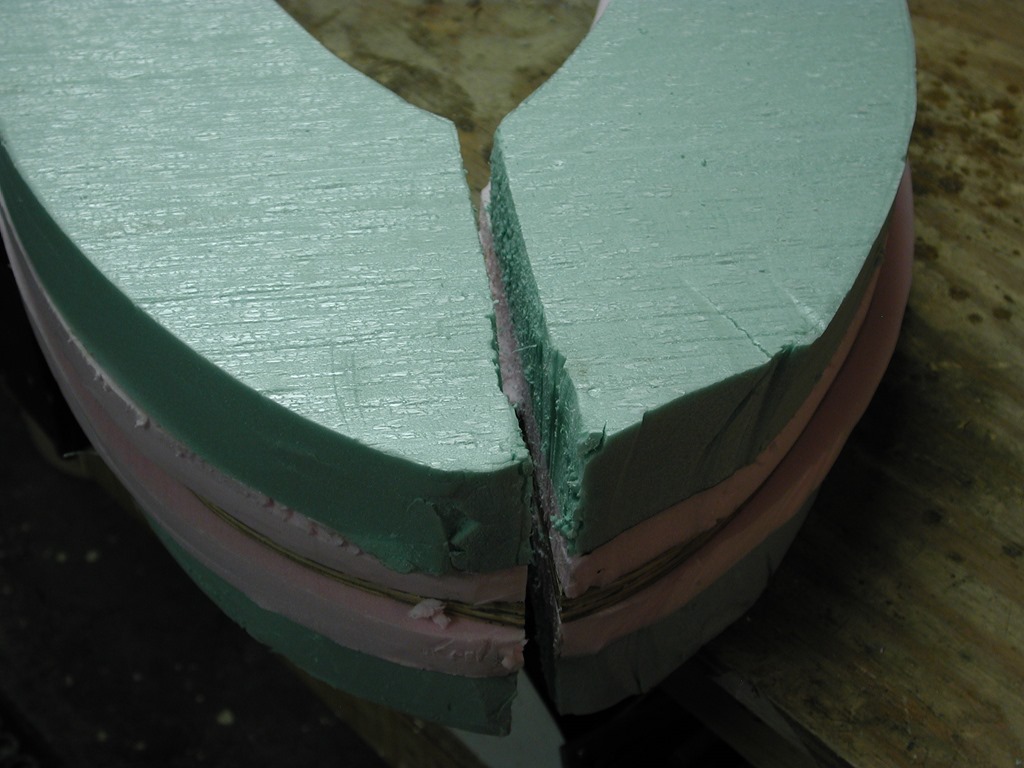
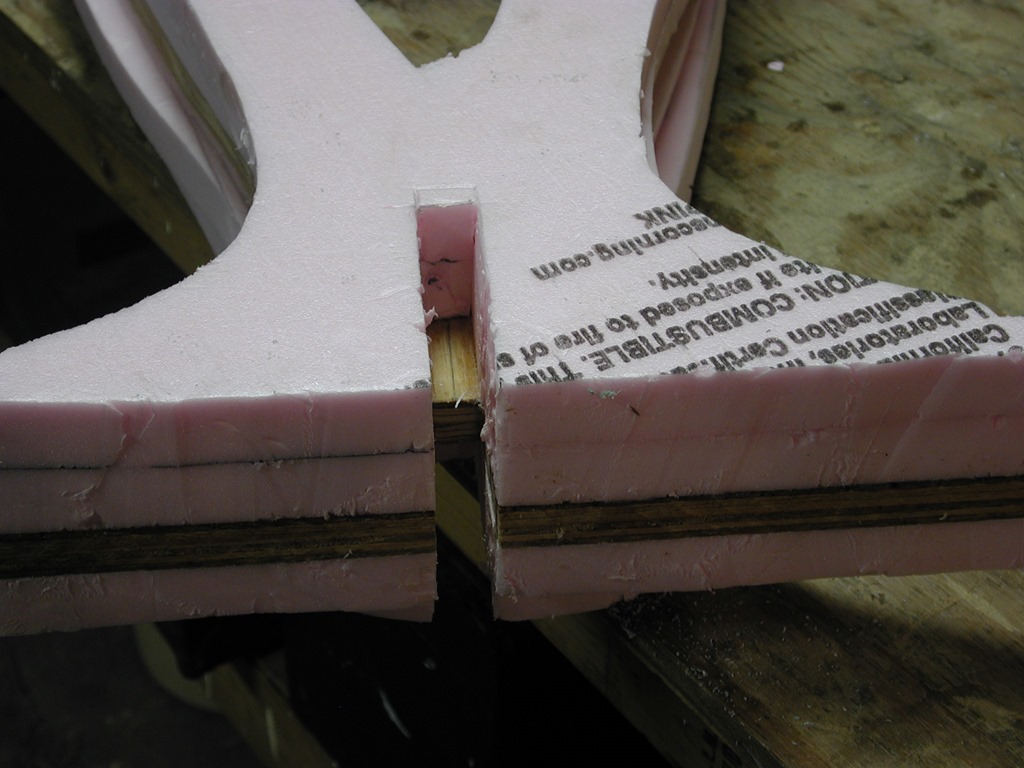
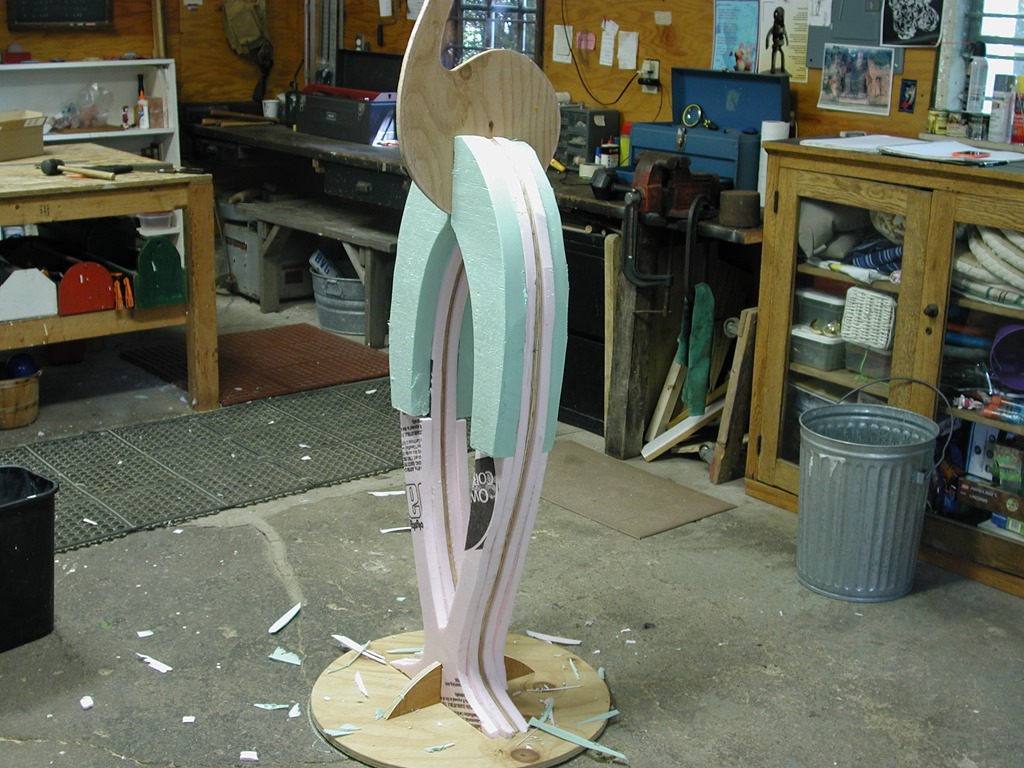
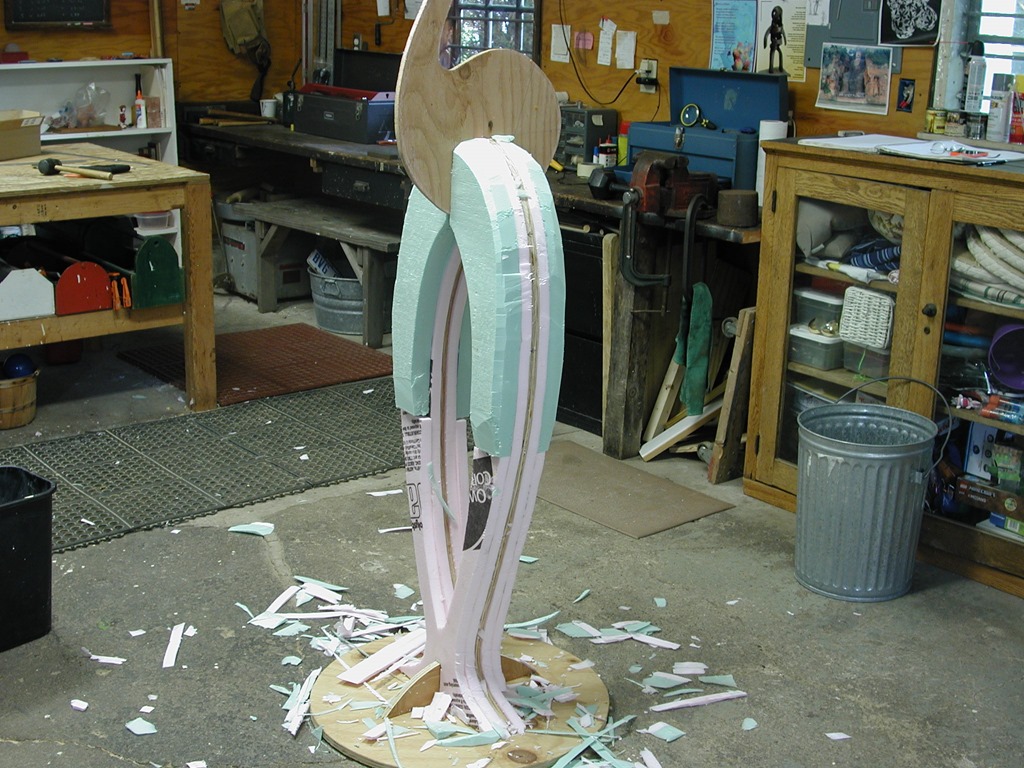
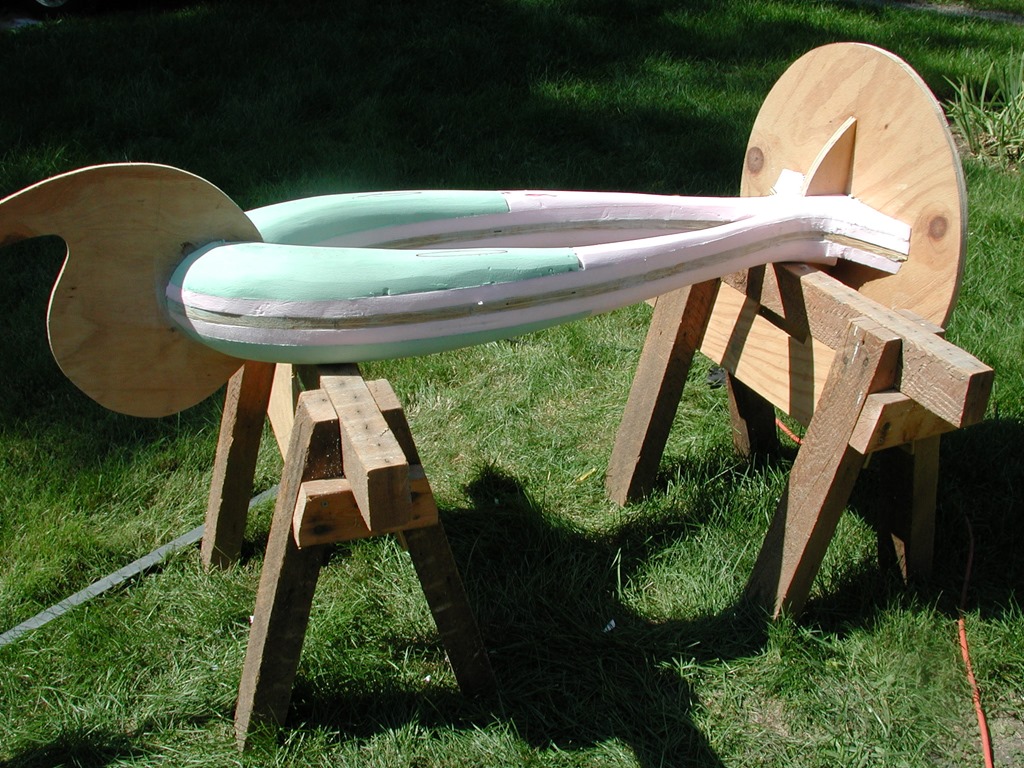
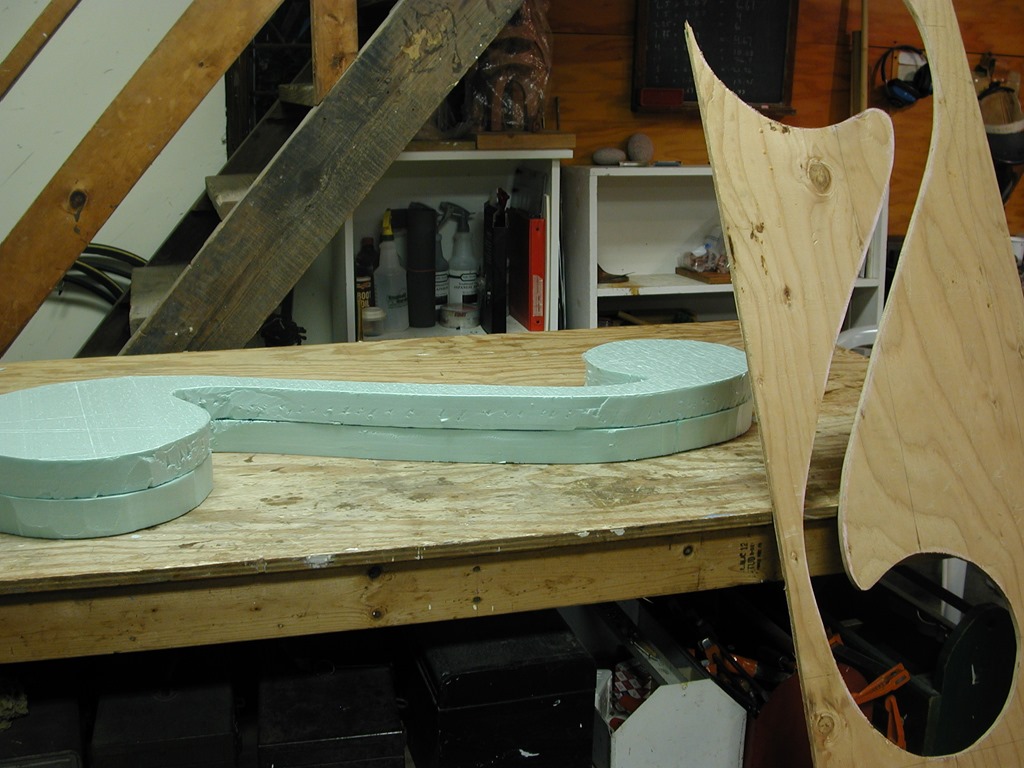
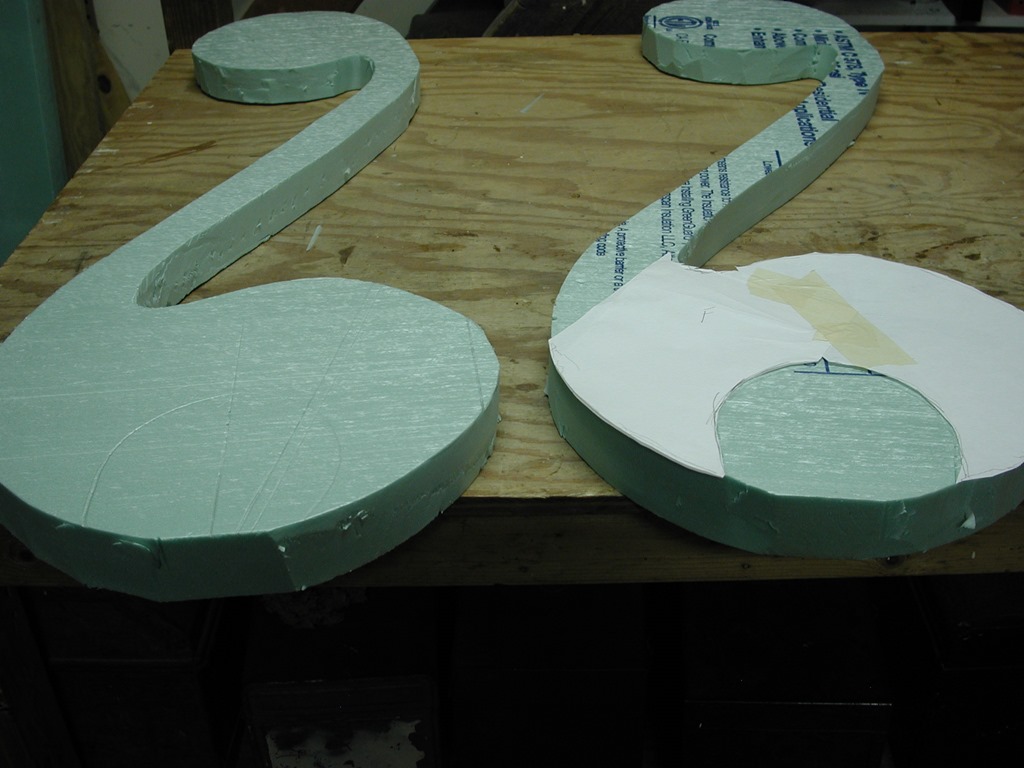
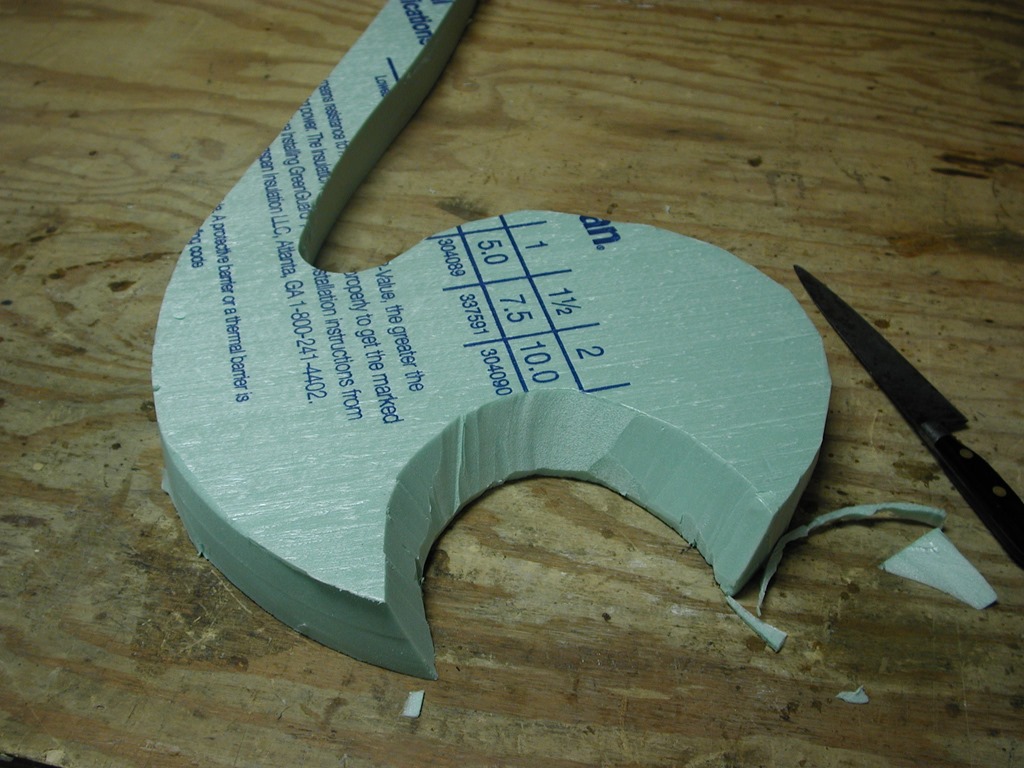
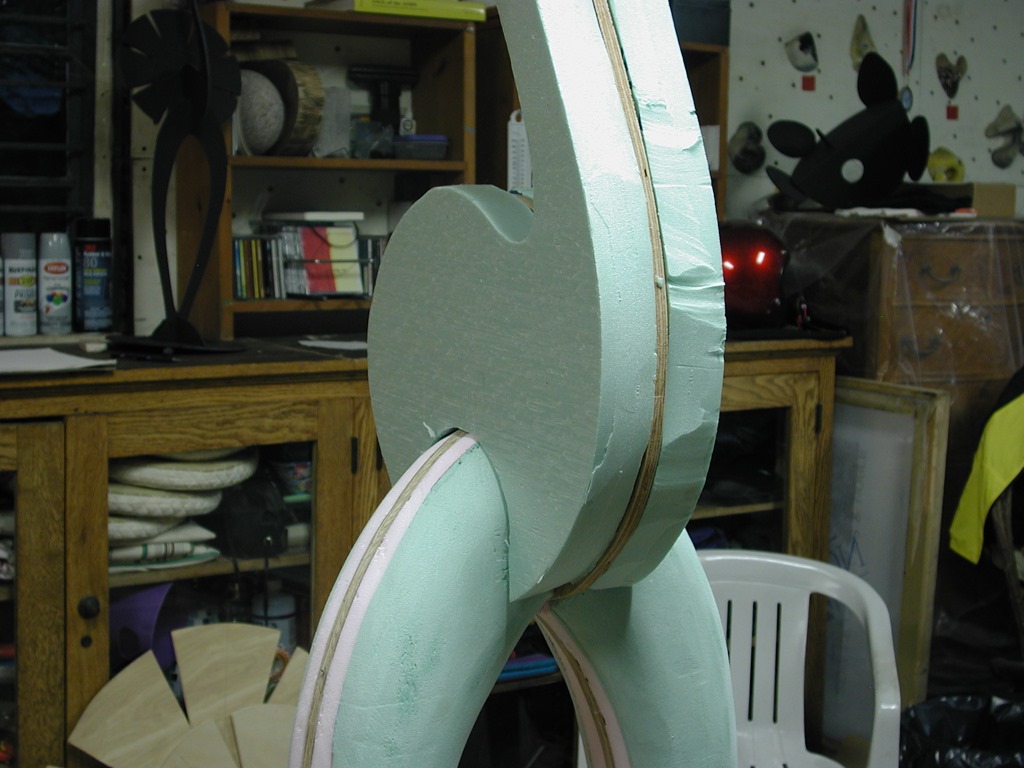
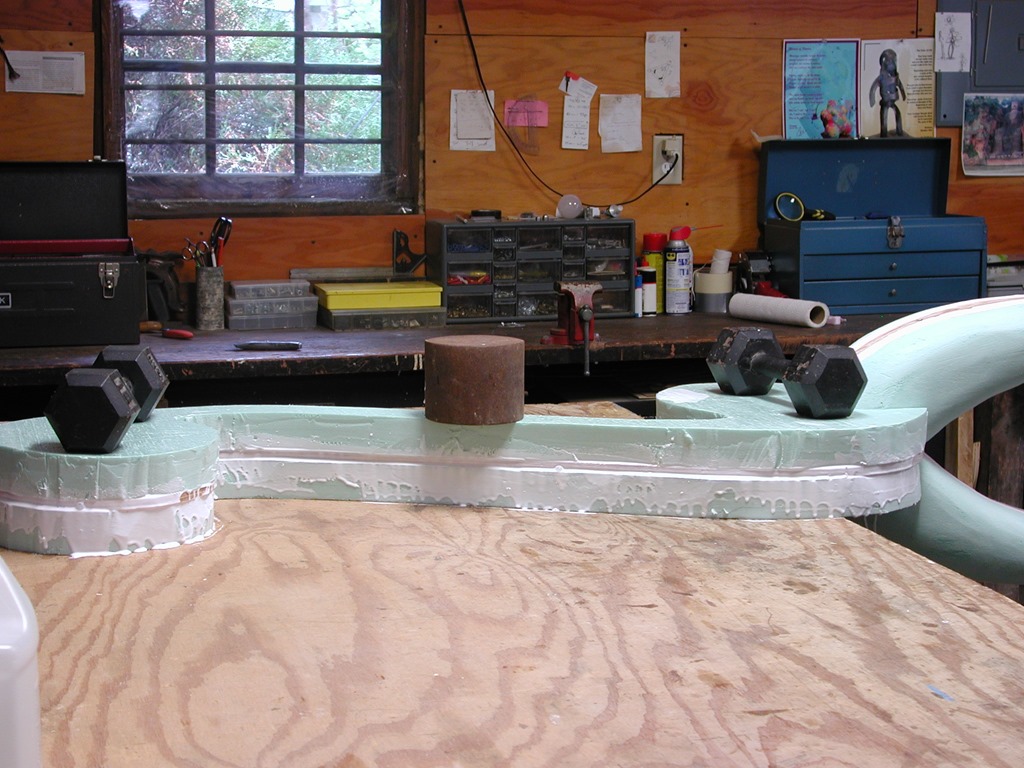
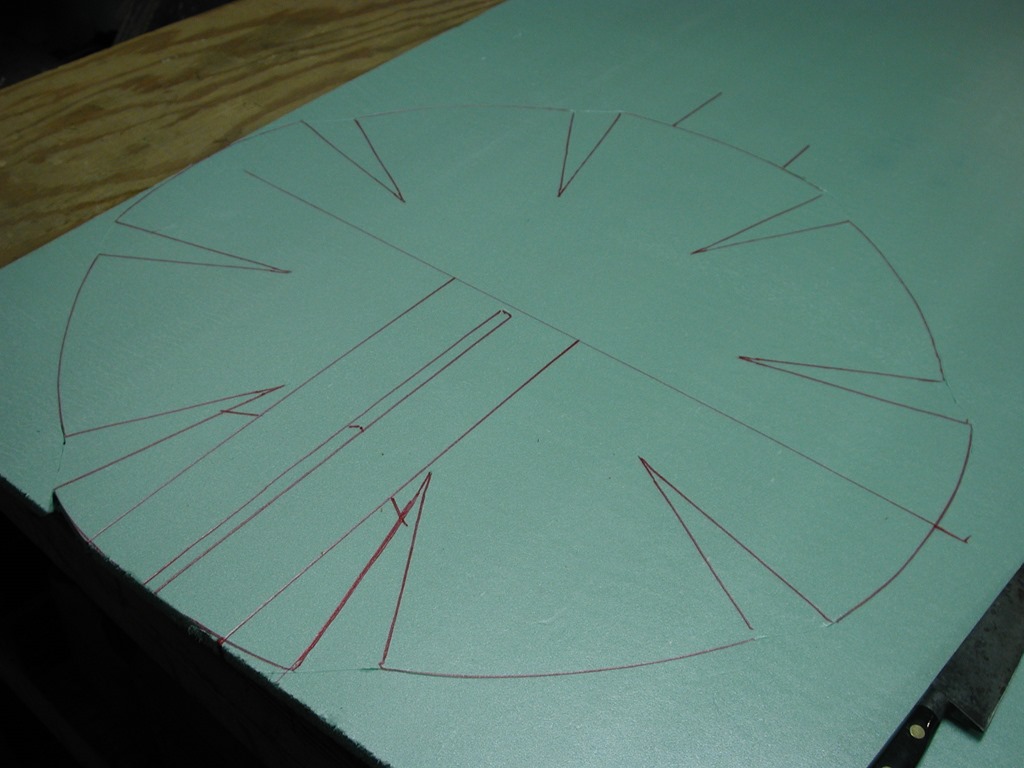
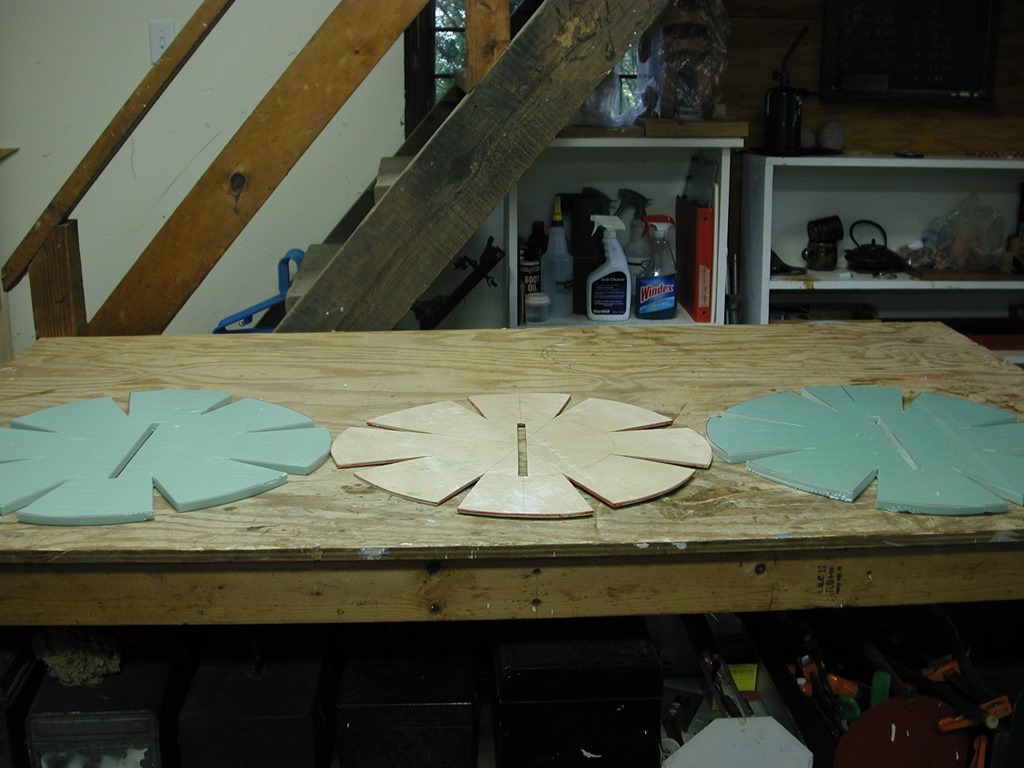
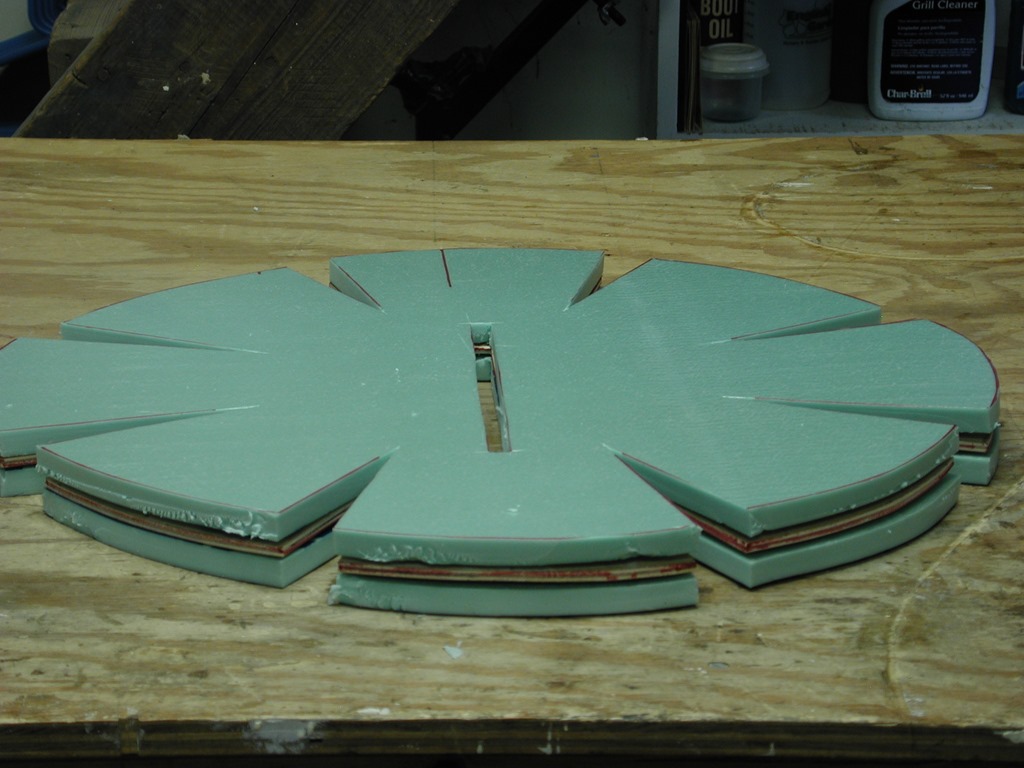
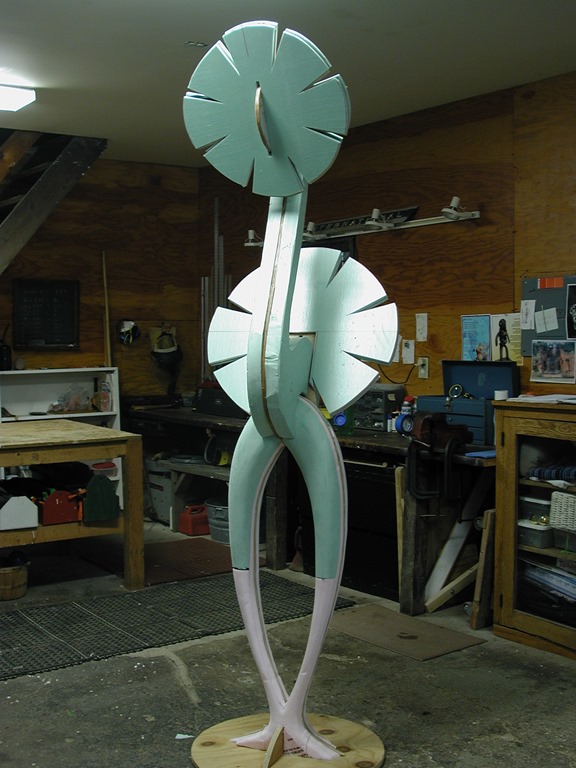
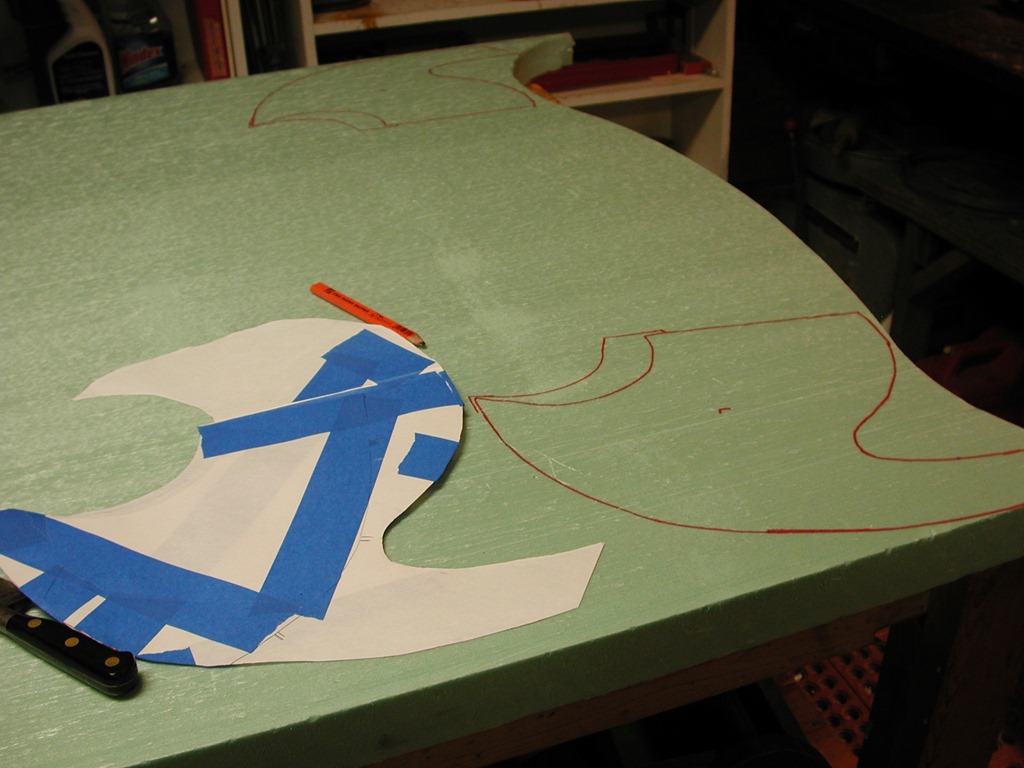
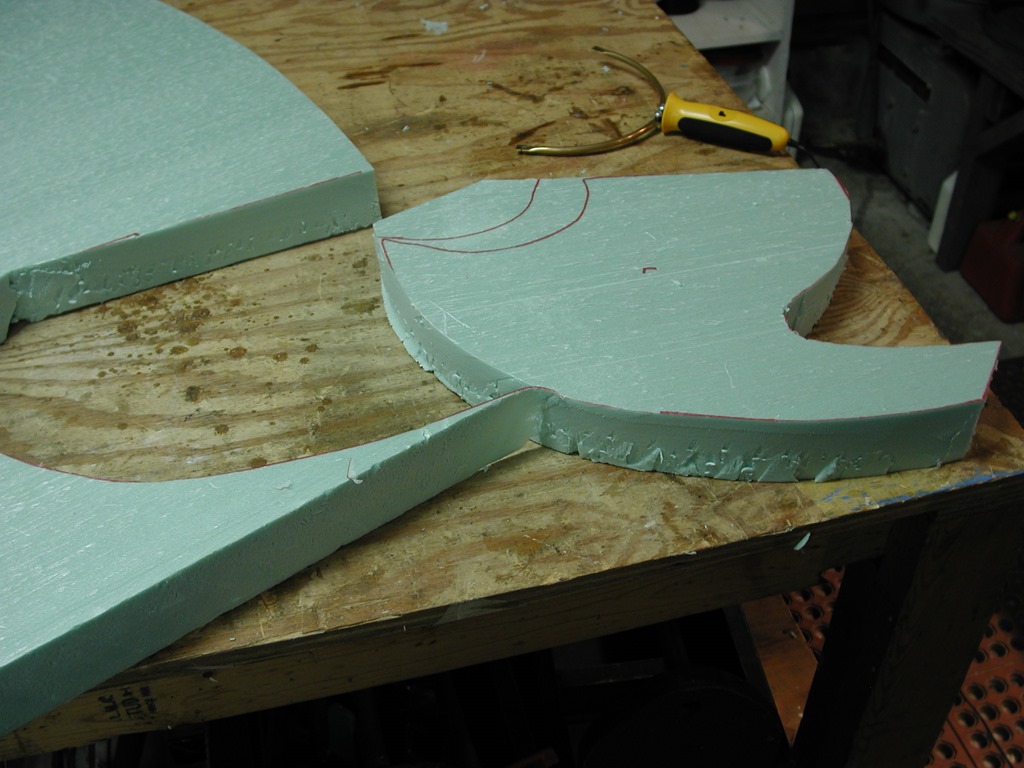
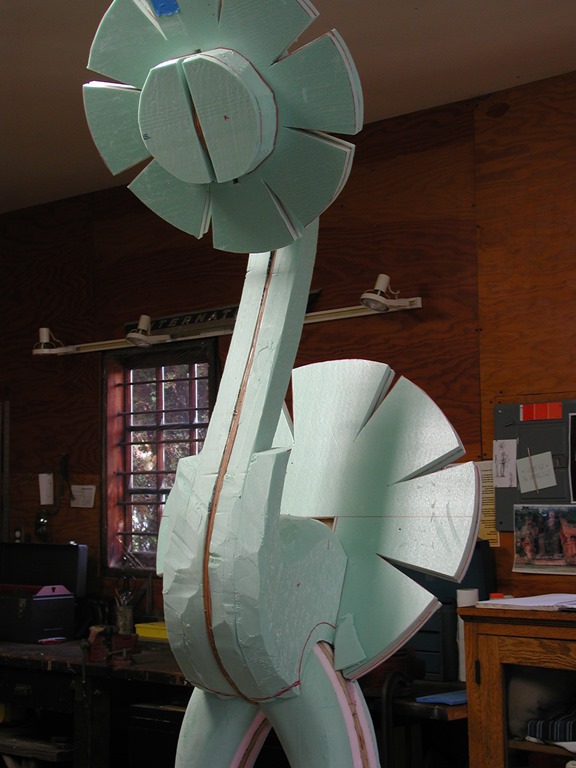
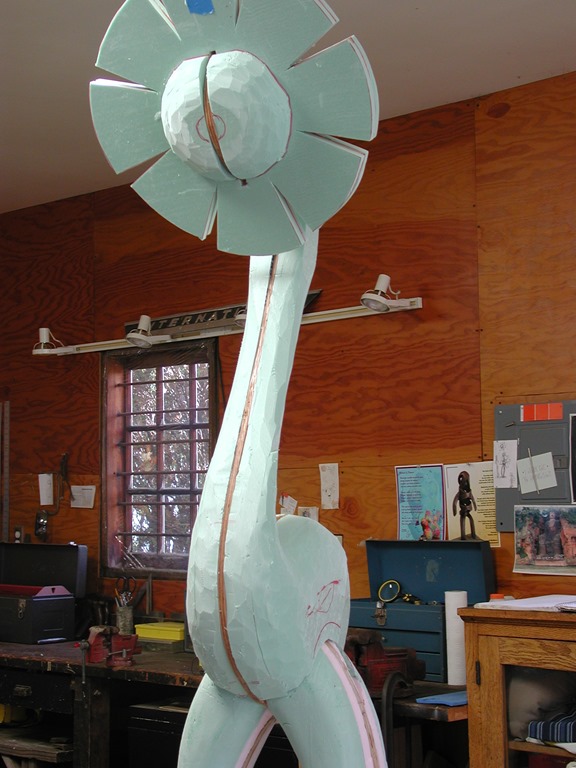
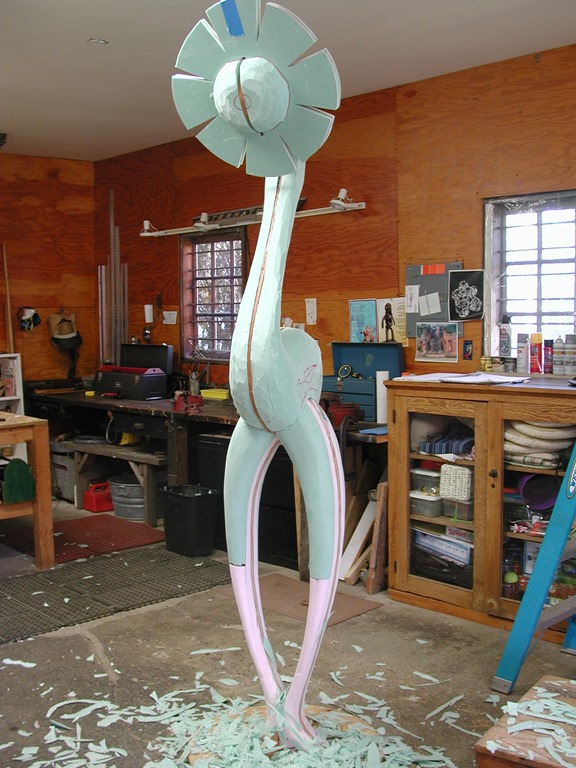
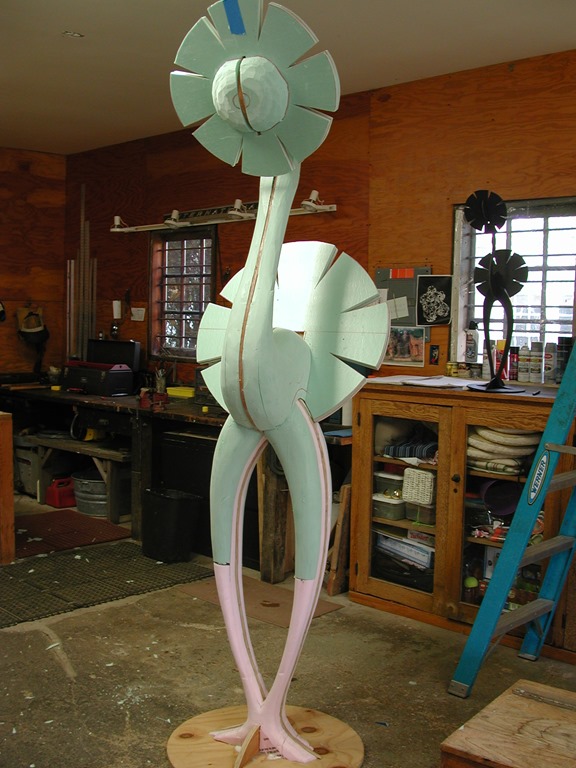
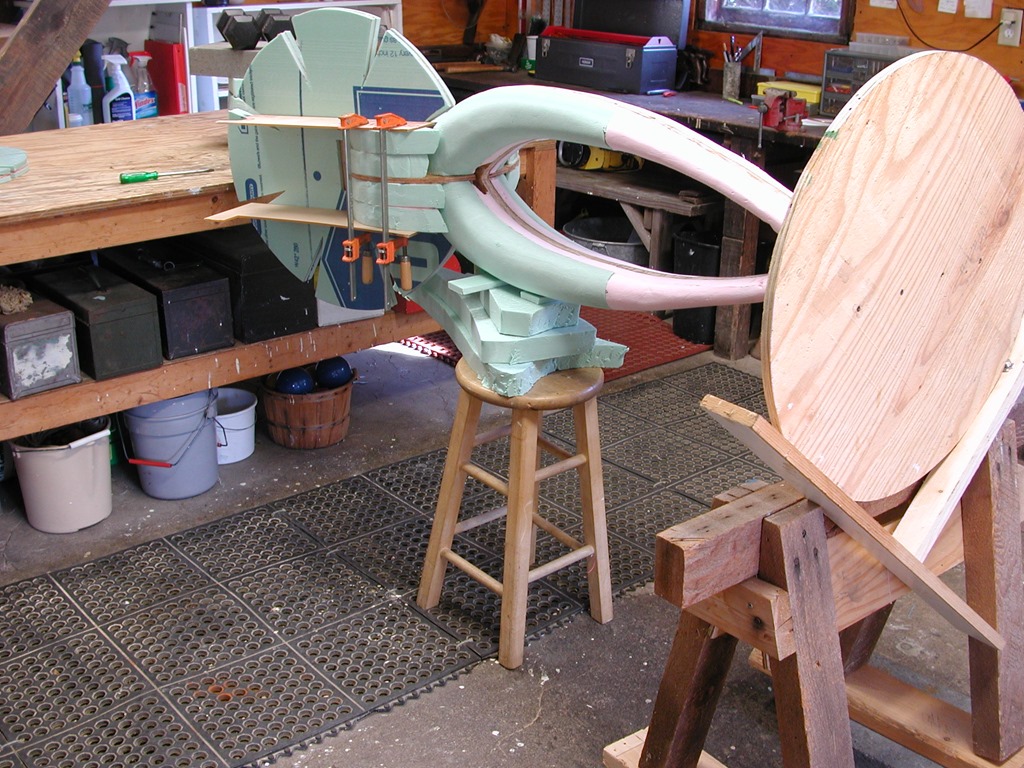
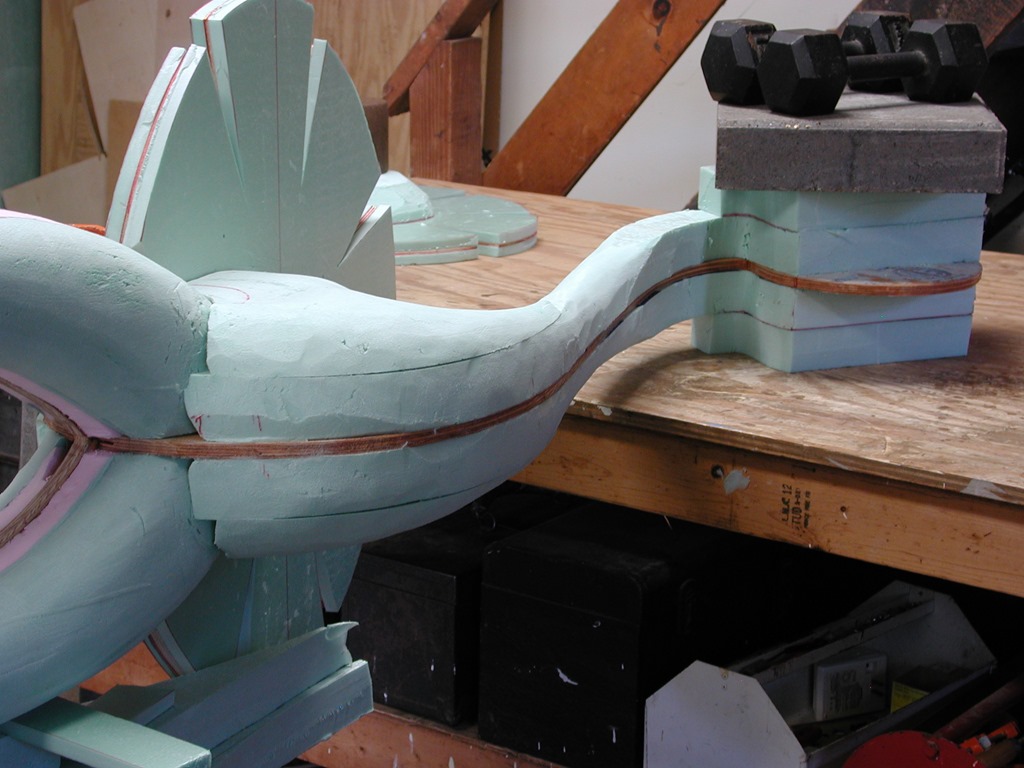
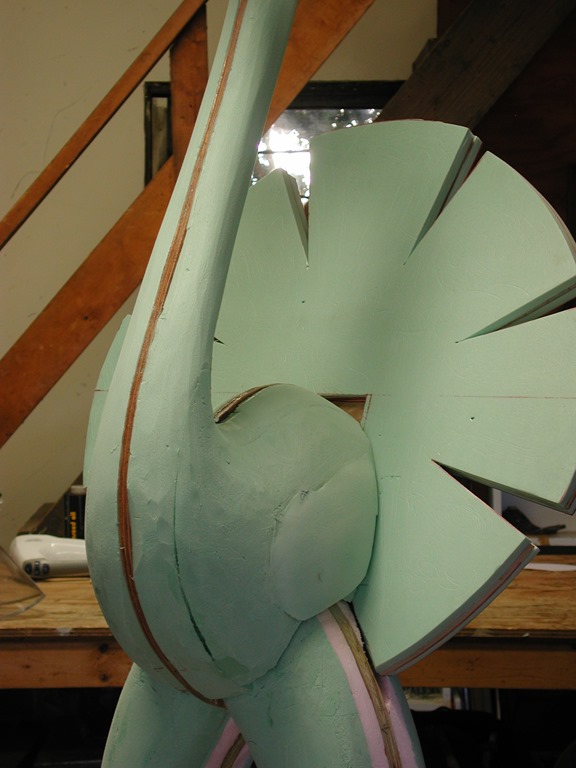
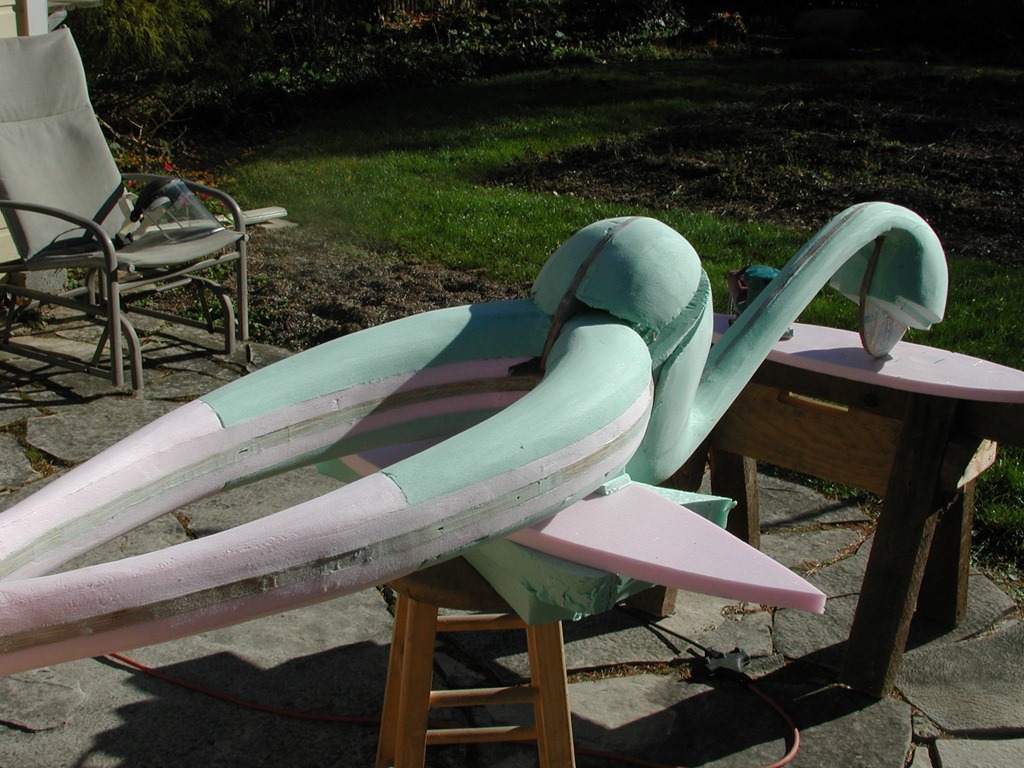
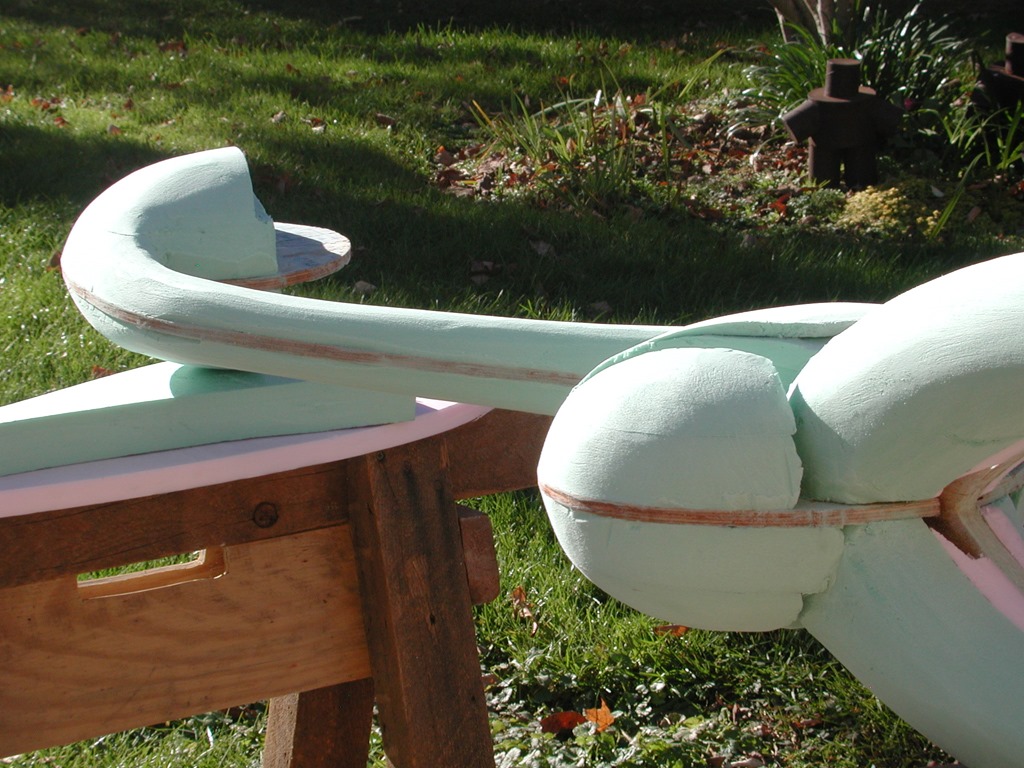
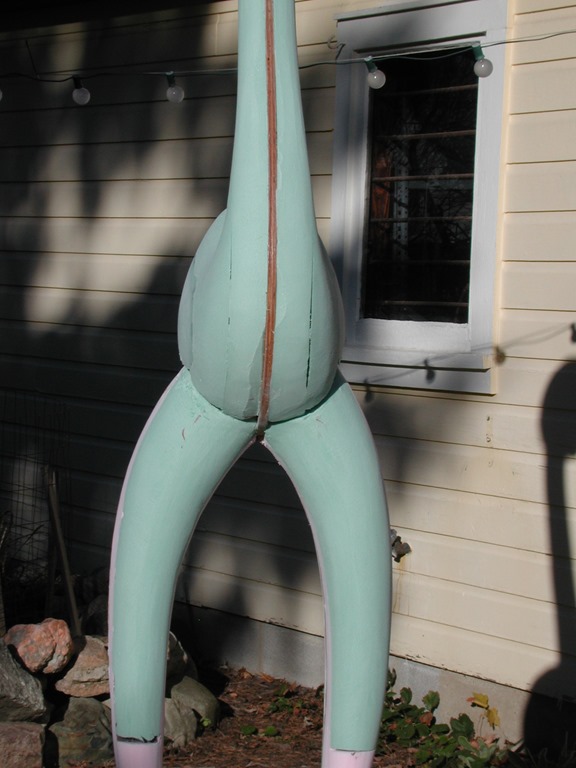
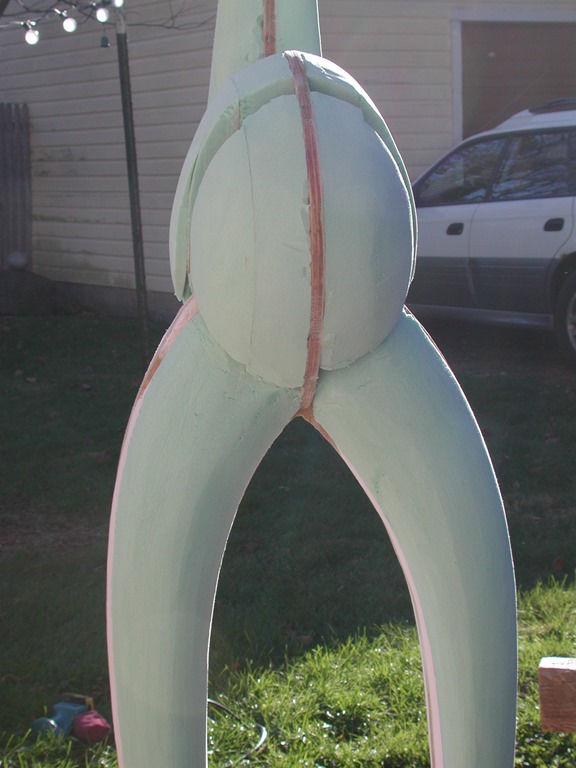
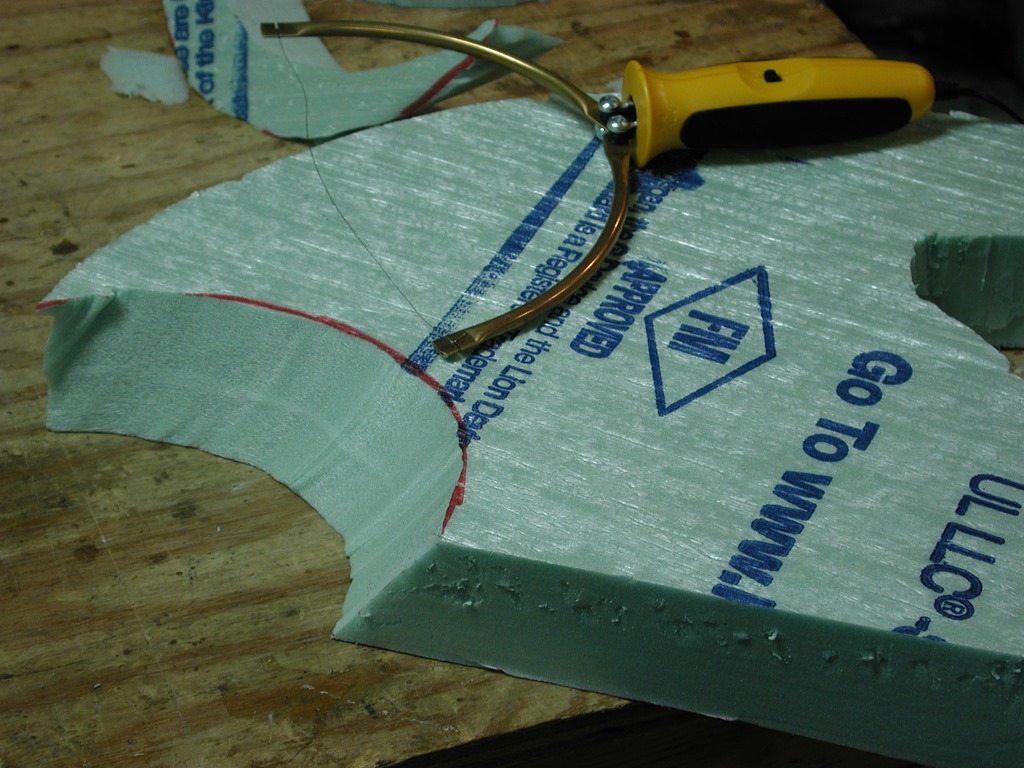
Applying extruded polystyrene foam to the dis-assembled plywood armature-core, Cut patterns for legs, glue up, notch interlocking, re-assemble, start carving away with a very sharp 12” kitchen knife, take outside and lightly sand – September.
2part2
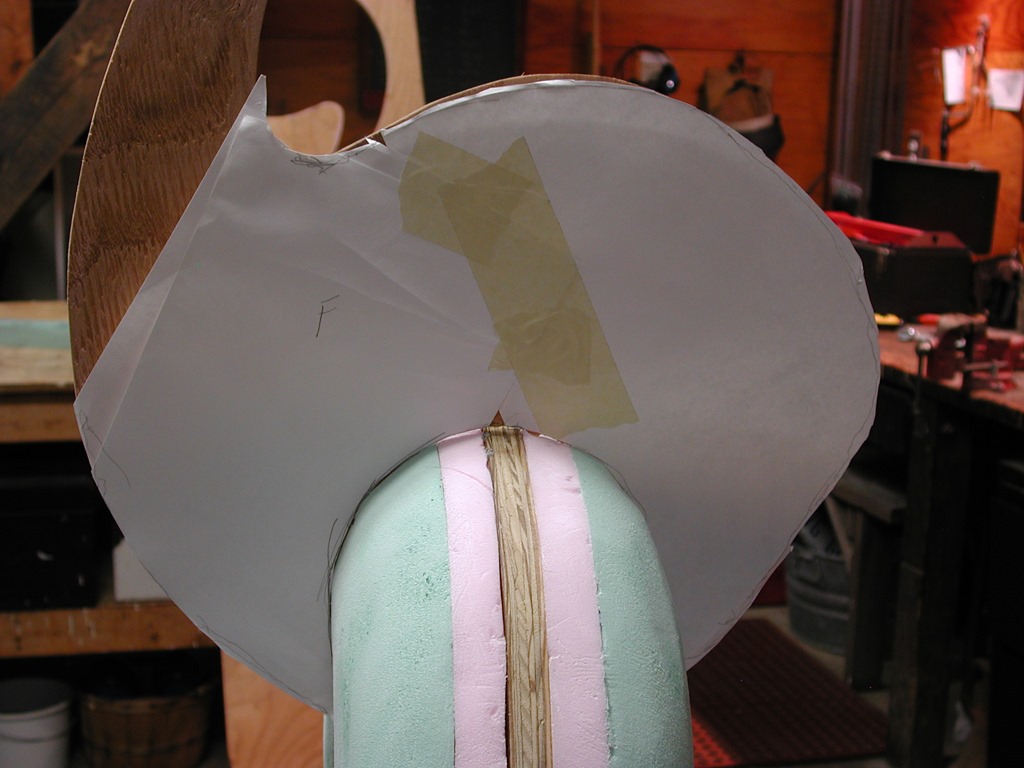
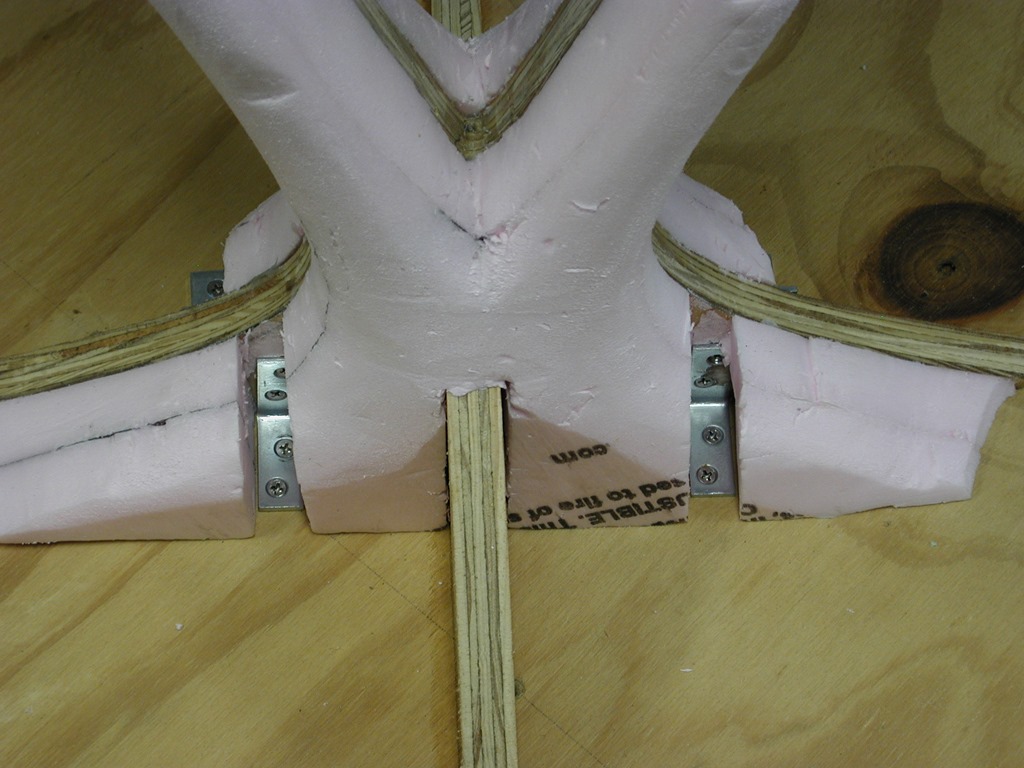
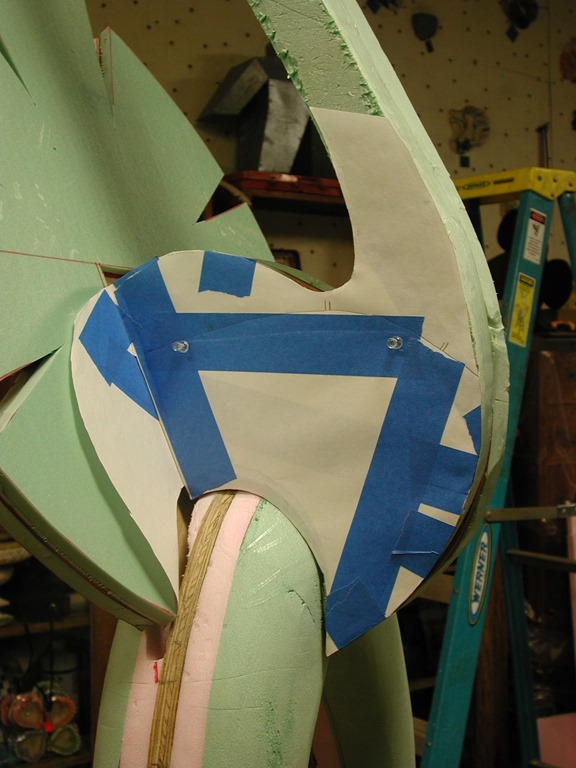
Cut sides for body n’ head, make a clever template to help fit the sides and legs joining, glue-up, reinforce legs to base by-the-way.
3
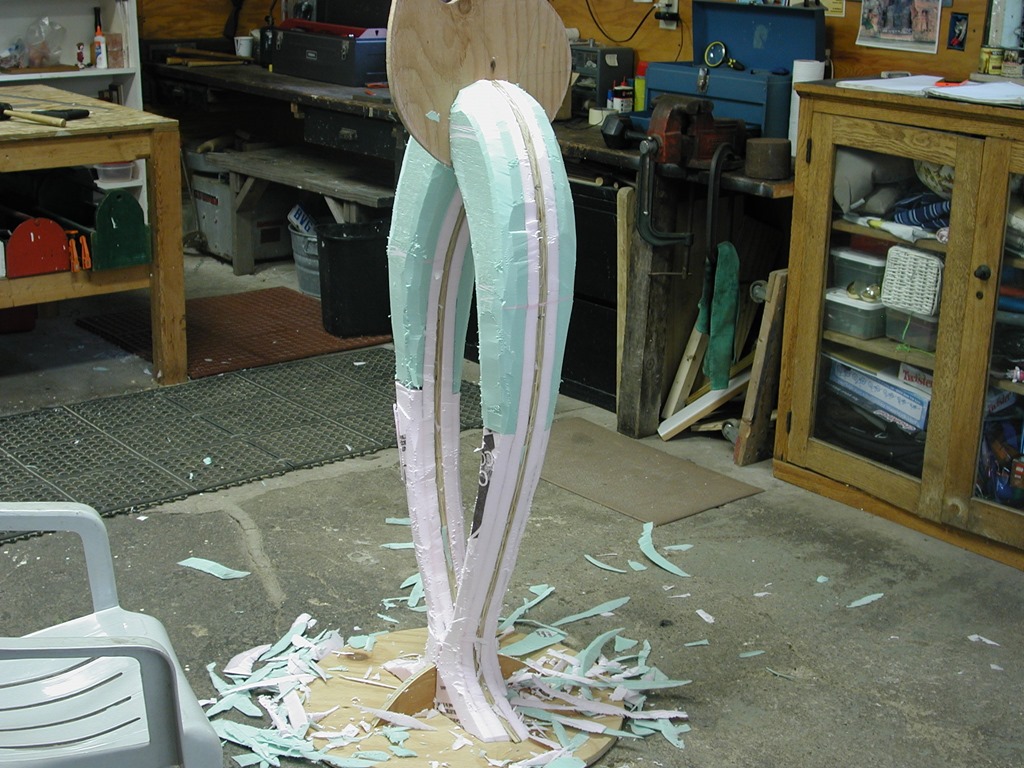
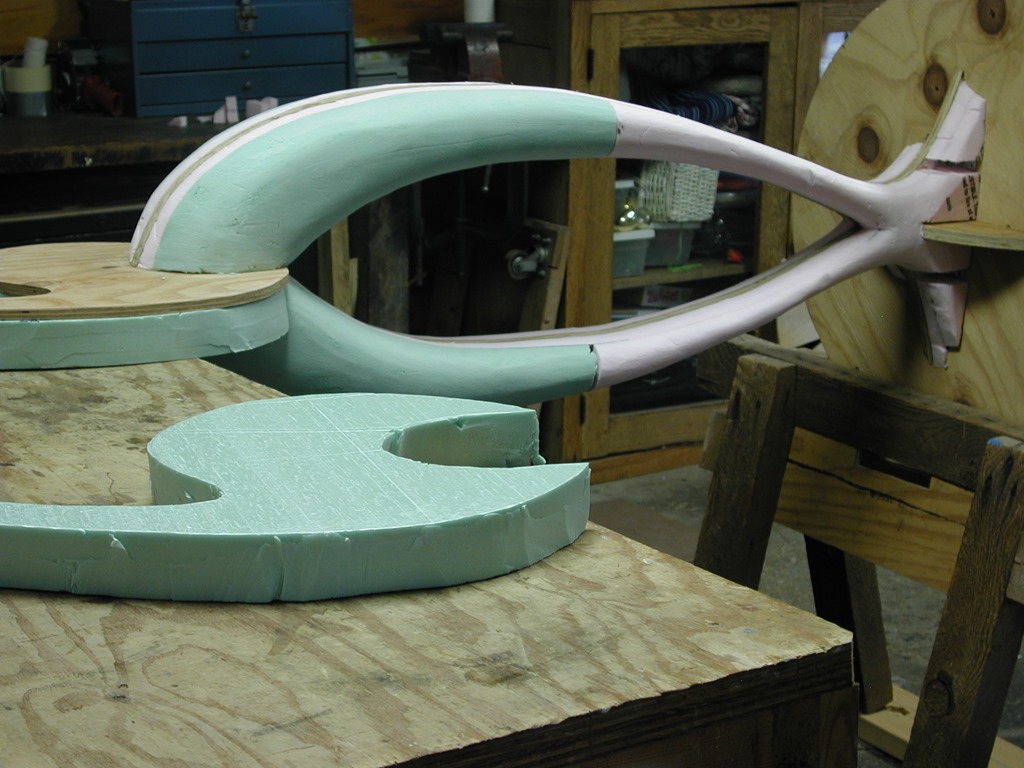
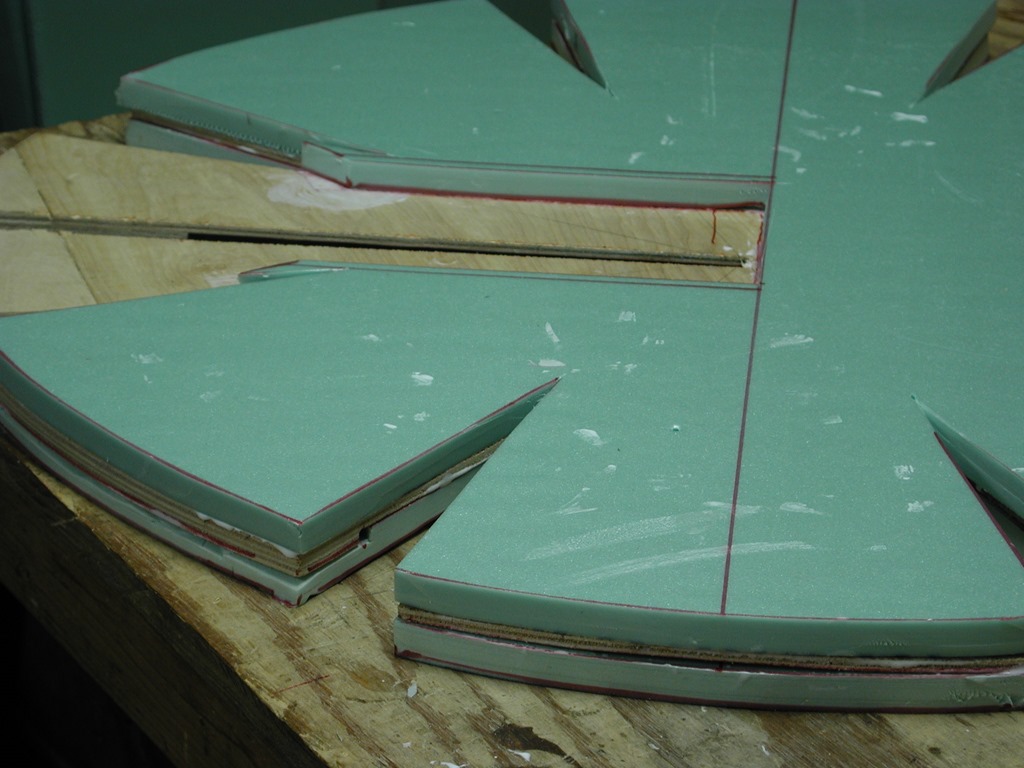
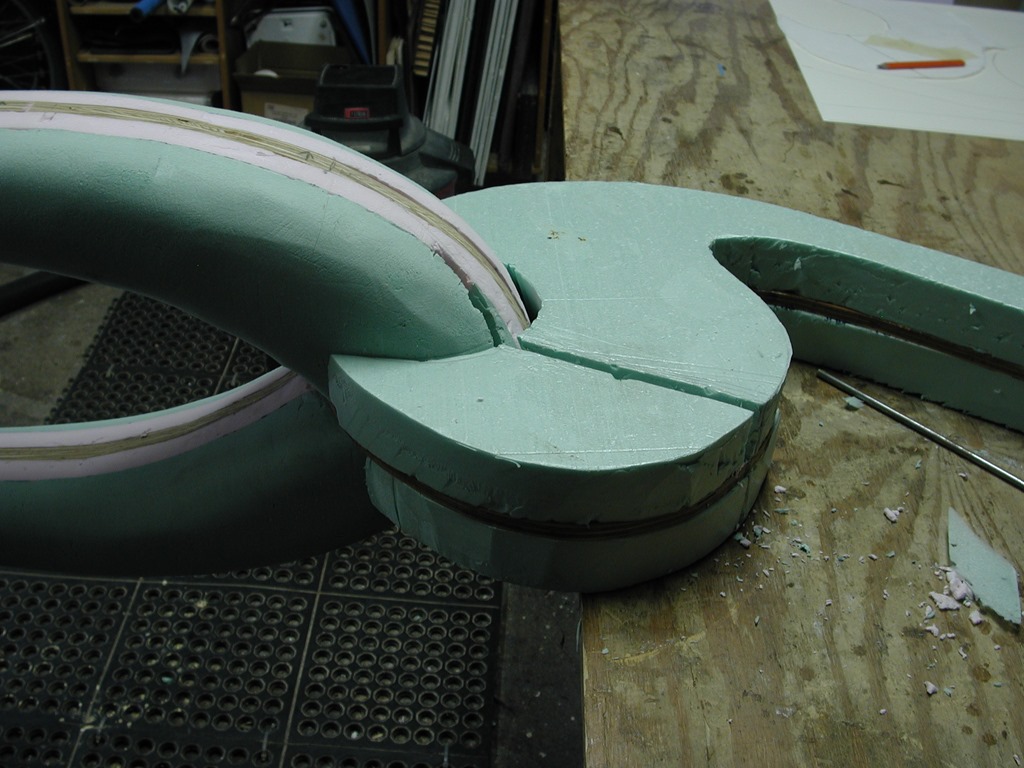
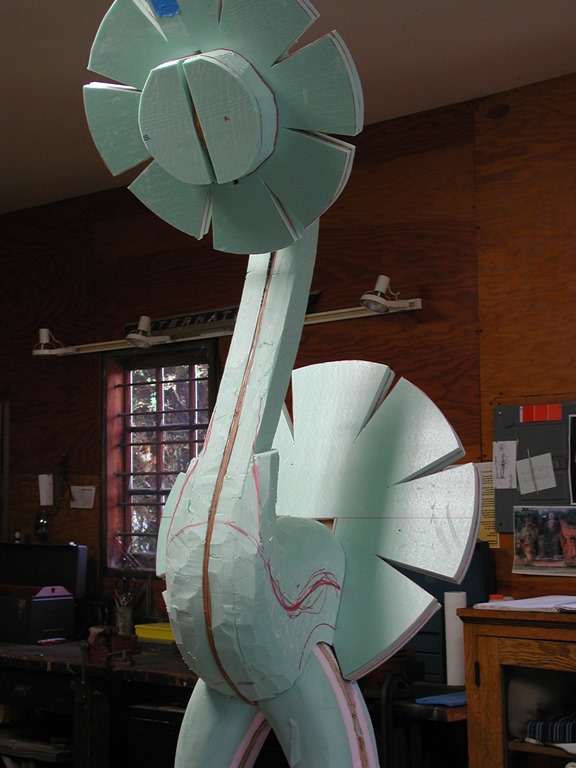
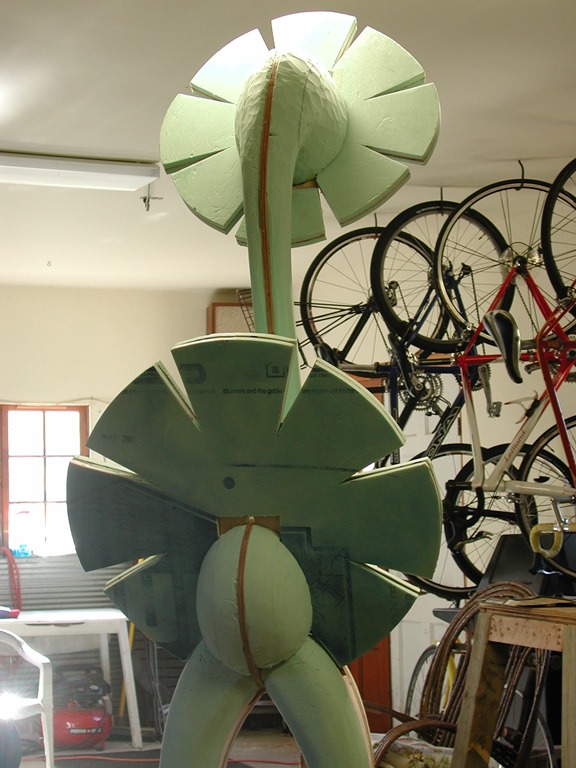
Heads and Tails, more foam-on-ply, dis-assemble/re-assemble, clever templates used to measure foam for more filled-out the body shape, claps and glue.
4
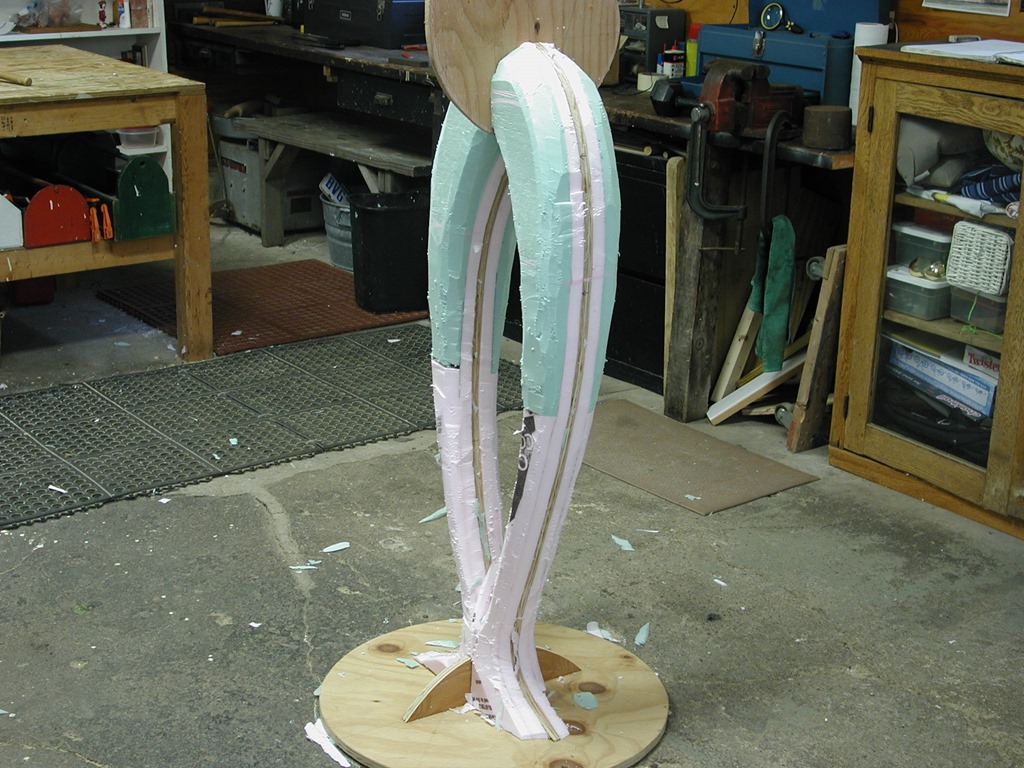
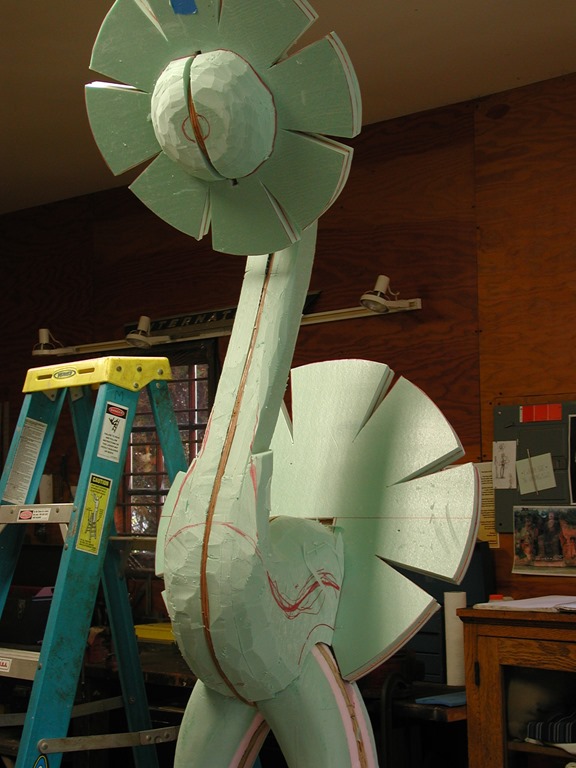
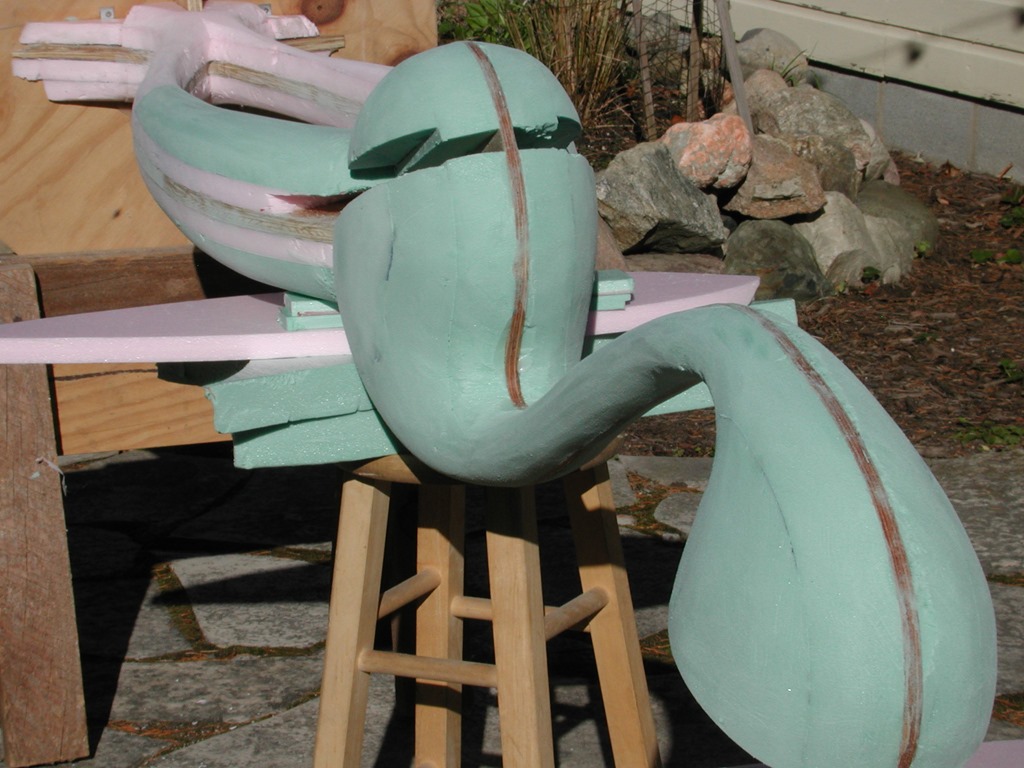
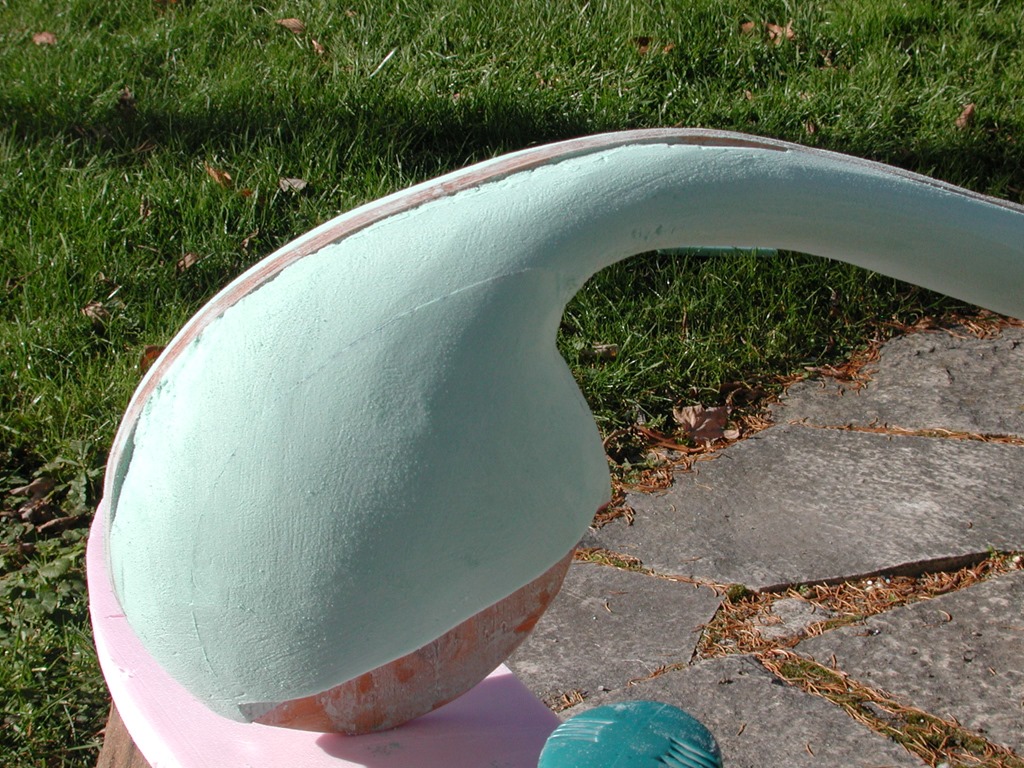
Carve body and face with a very sharp kitchen knife (sadly, no video), the fun part, glue up parts for a rounder butt and head.
5
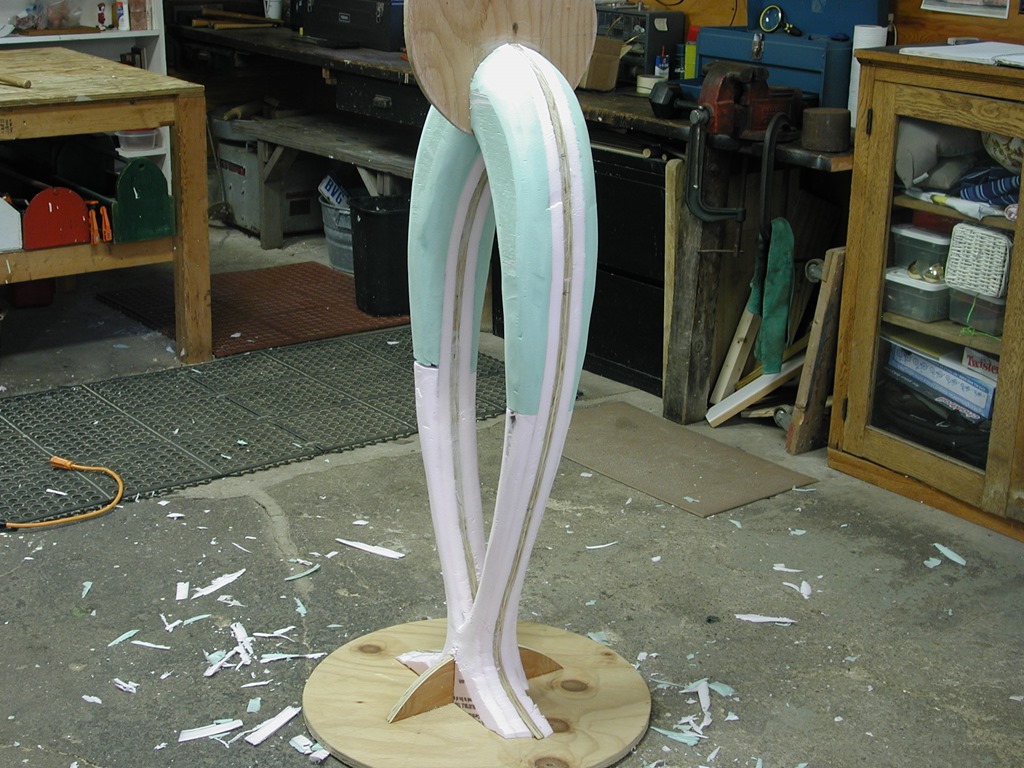
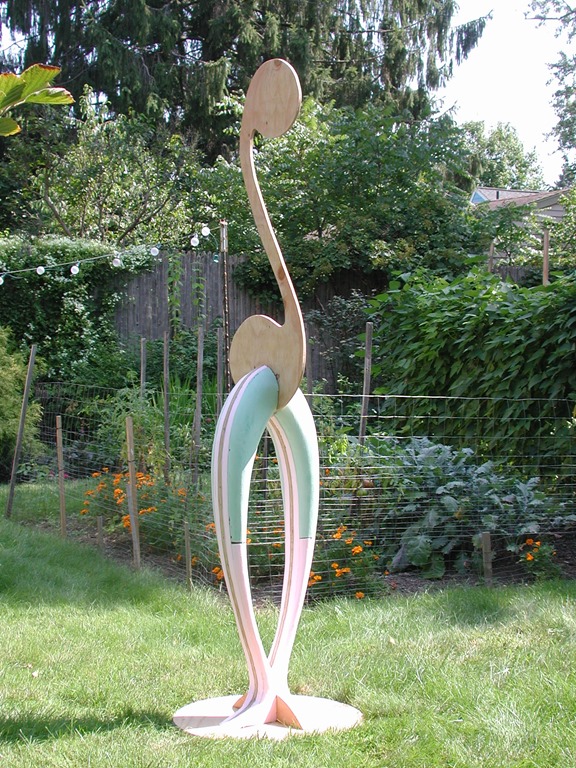
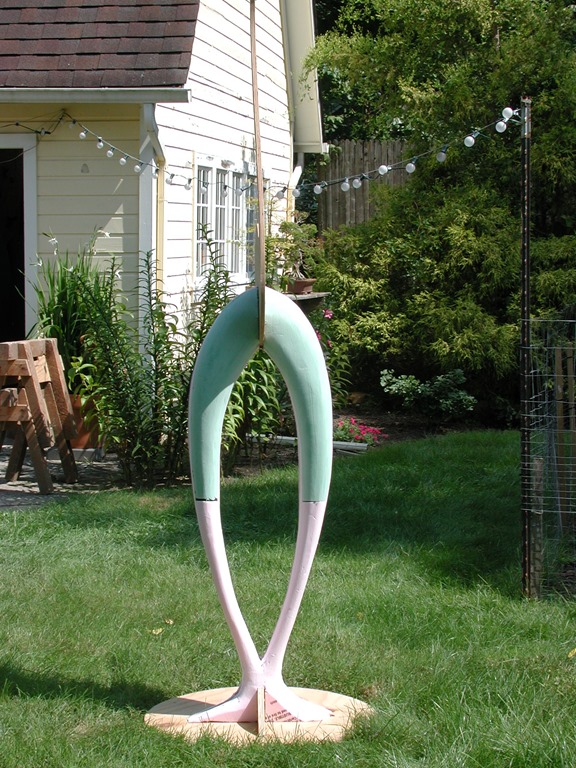
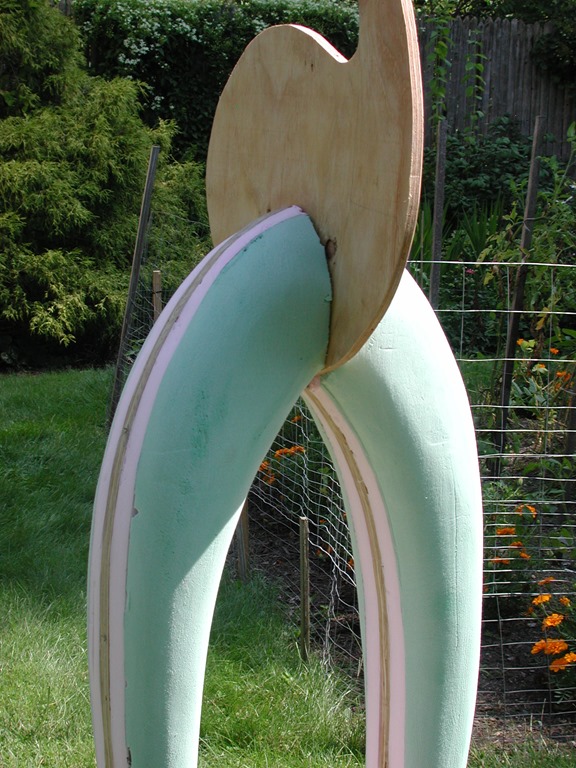
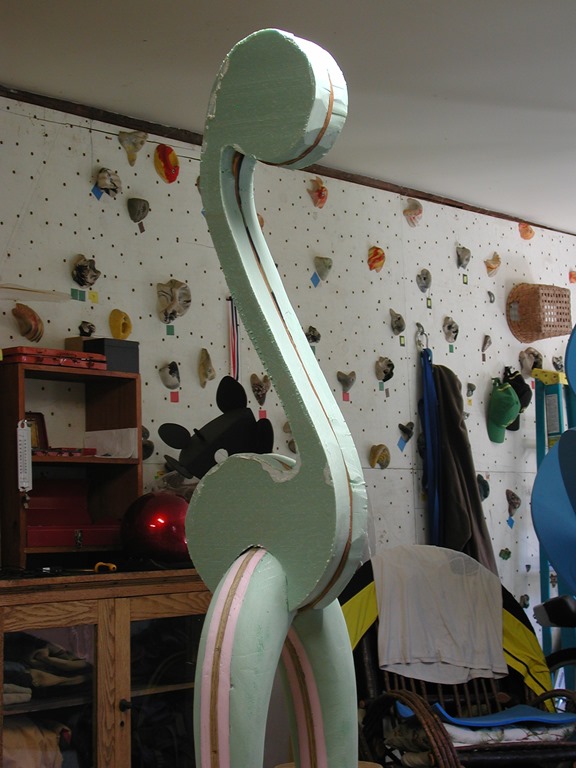
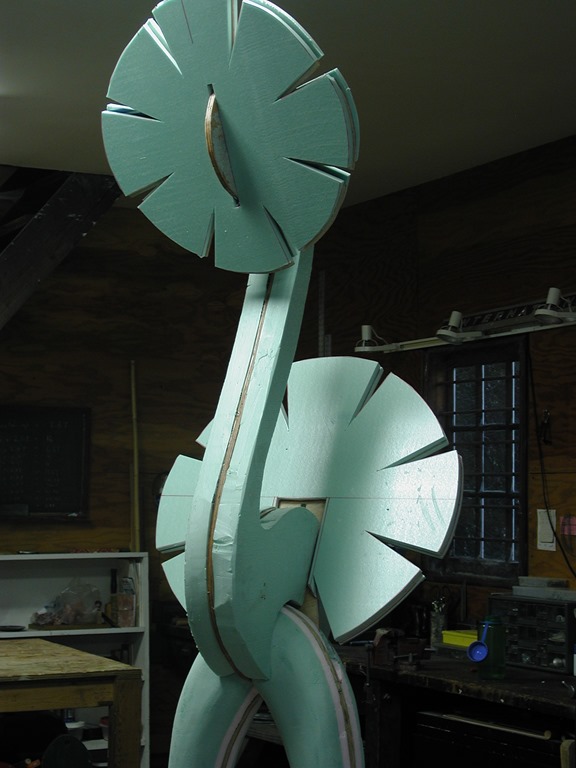
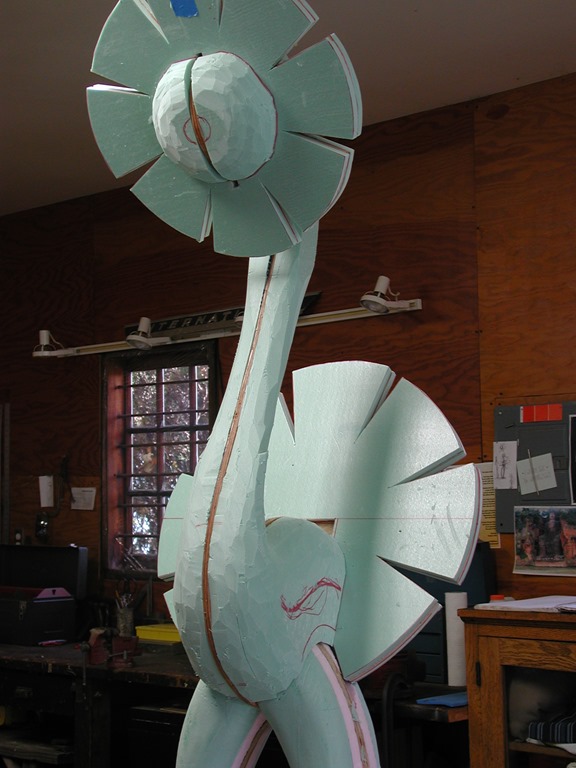
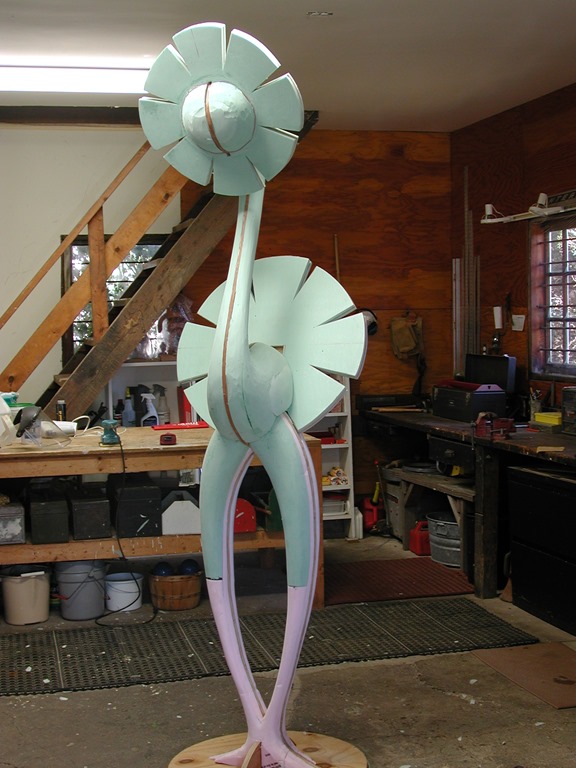
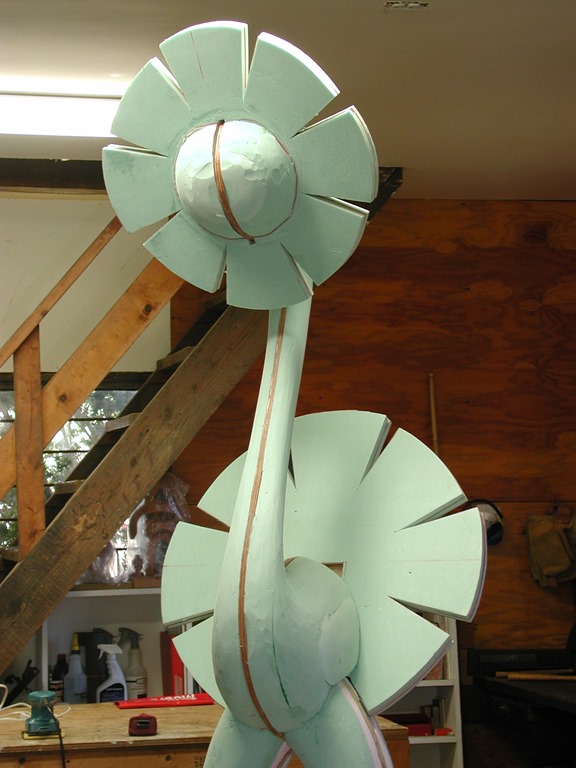
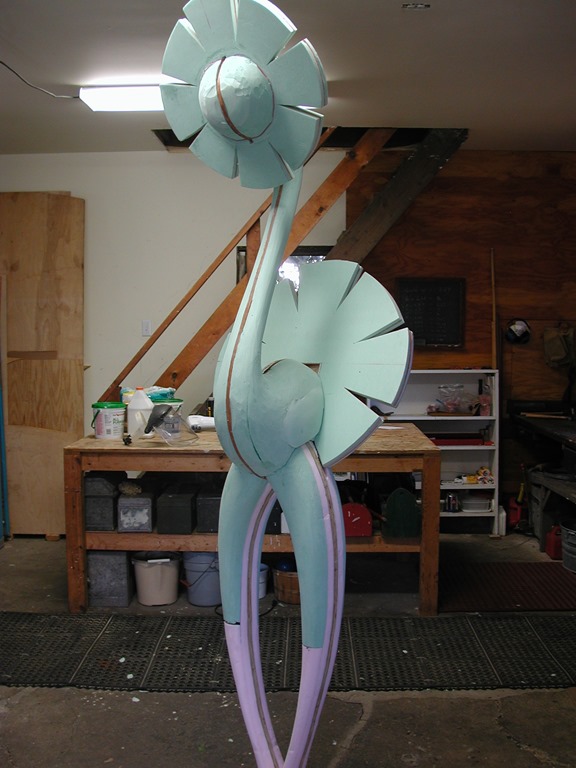
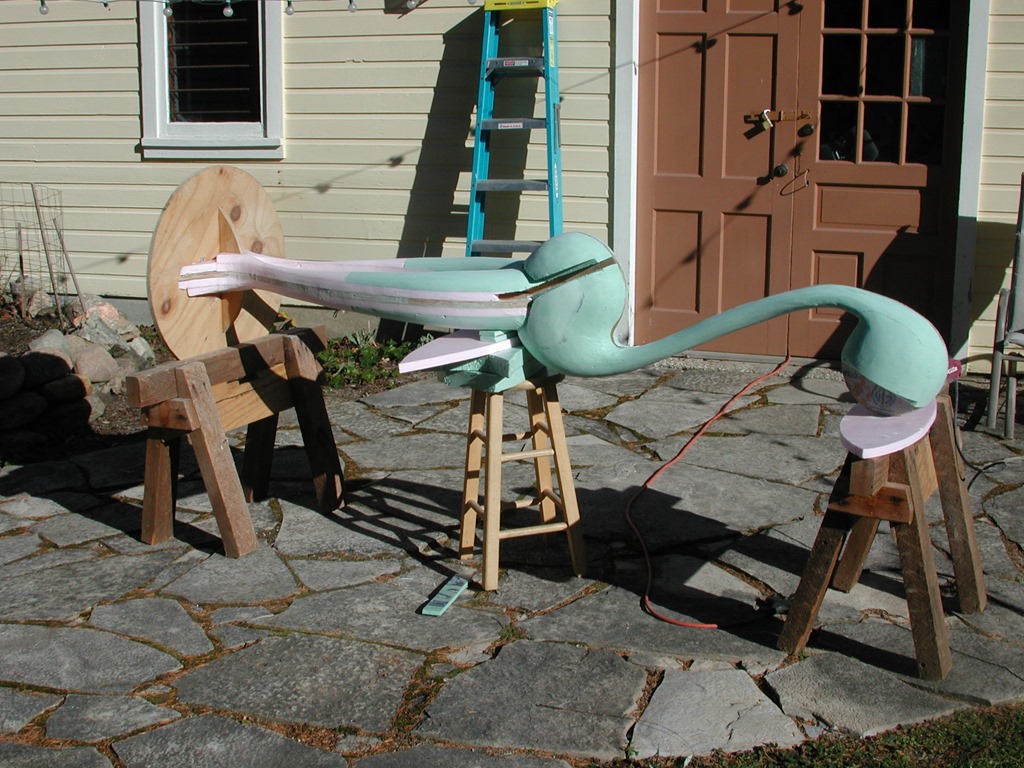
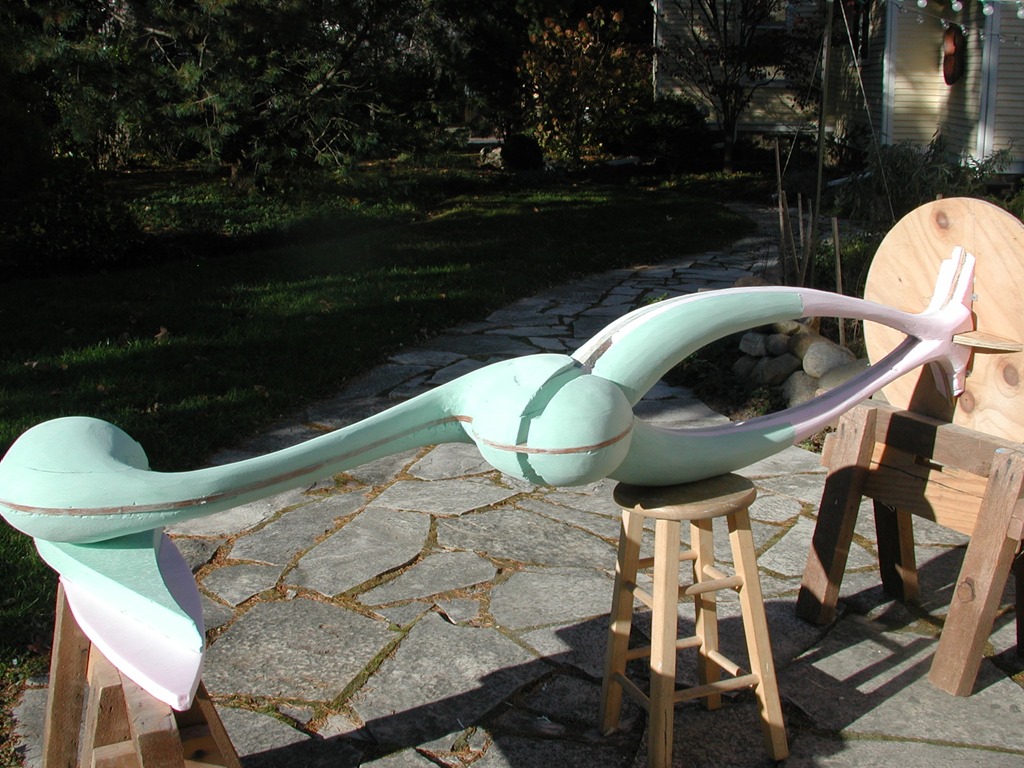
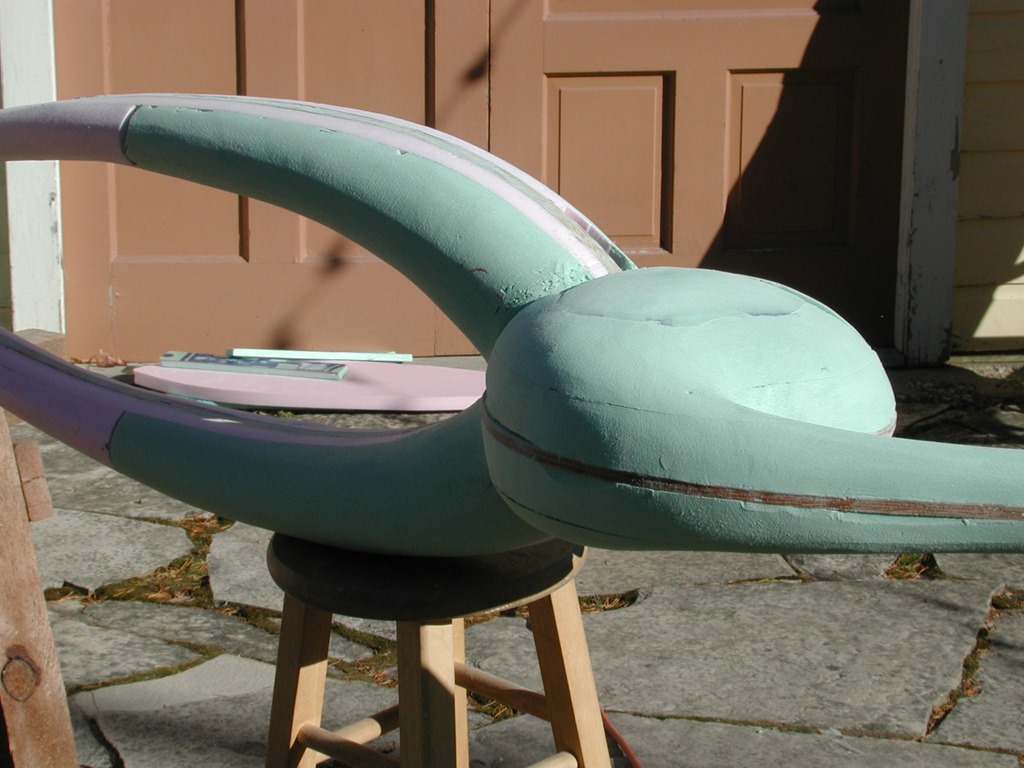
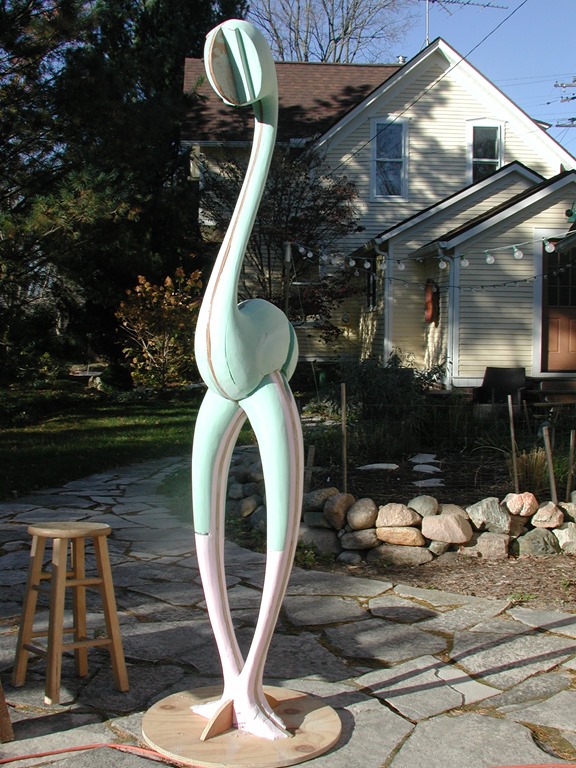
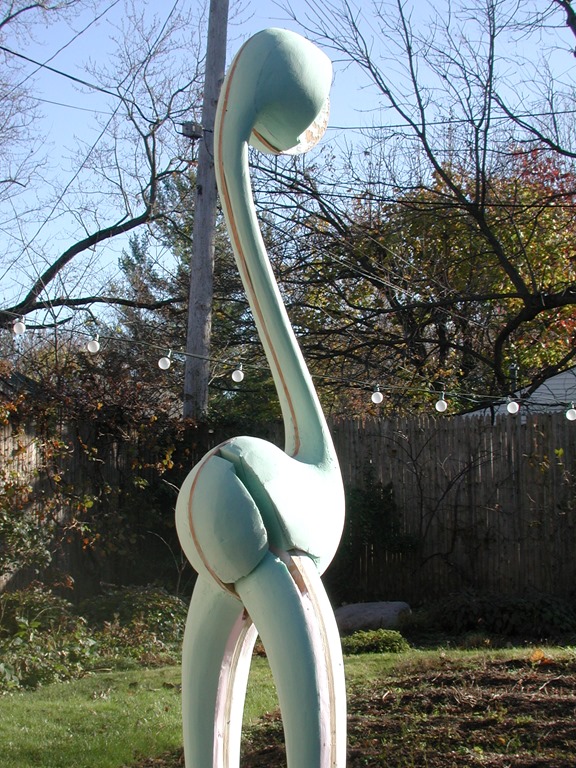
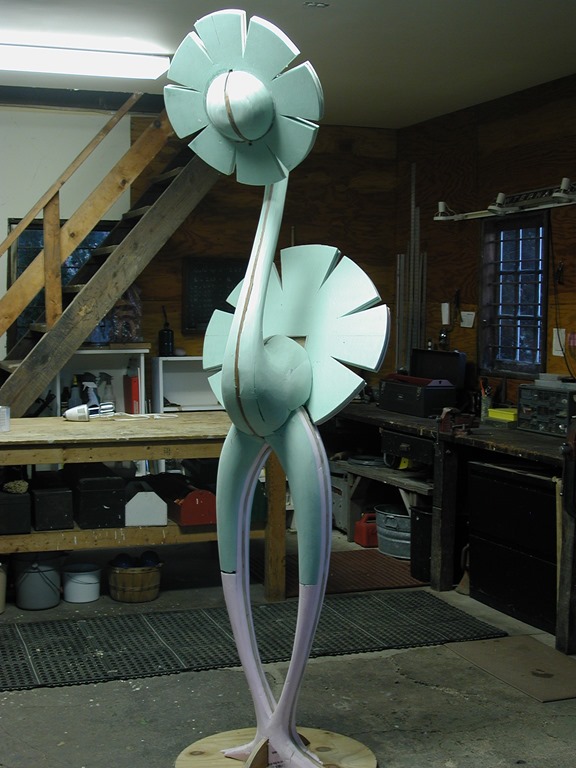
All Together Now, done carving, take outside to sand evenly – November low-angle sunlight ideal for shadows, foam-form finished.
That was three month’s of weekends’ work, excluding Tango dancing, some trips, vacation up north, visit my old Dad, Thanksgiving, &c. I say I’m 3/4 finished now. All the surface to do next.
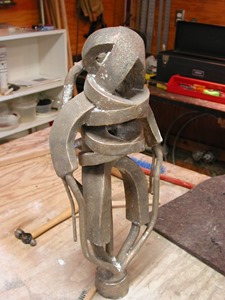
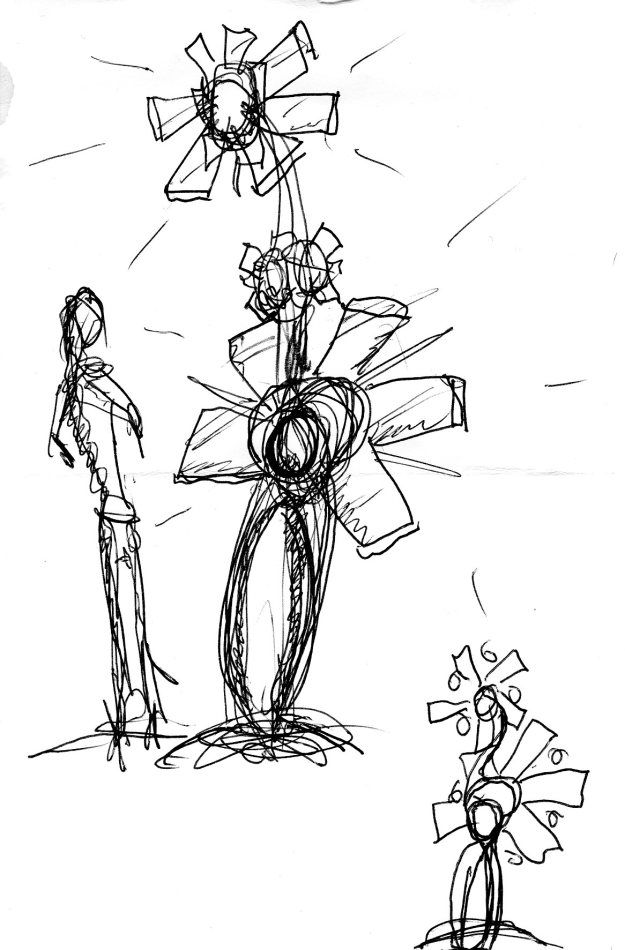
Sun•Bird•Woman
The milonguero gazes in wonderment at the radiant Sun•Bird•Woman.

In Museum
How My Drawing Ended Up in a Museum
Recently…
Dear Mr. De Genaro,
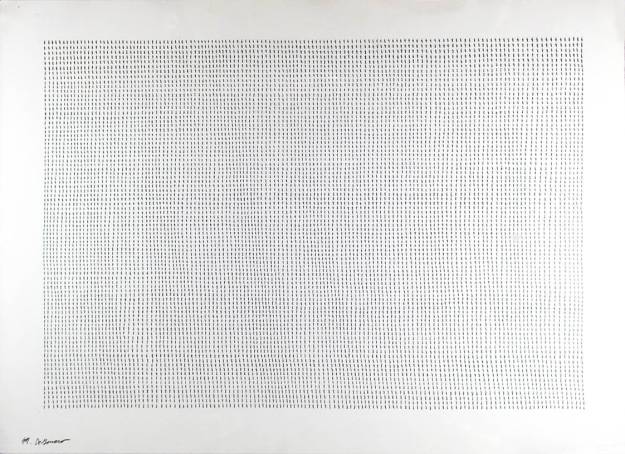
We are in the process of recording recent gifts and your drawing pictured below is among them. It came from the Estate of Judy Josephson Schreiber who lived in Mobile and Valdosta, Georgia. We maintain artist records and I would very much like to know your date and place of birth. Was there a title associated with this work? When did you create it? I noticed several similar ones on your website. It would be very useful to know the background to this very distinctive approach. Congratulations on your ARTPRIZE. I was the curator at the Grand Rapids Art Museum many years ago. Please list us as having a work by you in the collection and keep us updated with your art activities.
Cordially,
Paul W, Richelson, Chief Curator
Mobile Museum of Art
4850 Museum Drive, Mobile, AL 36608


Detail
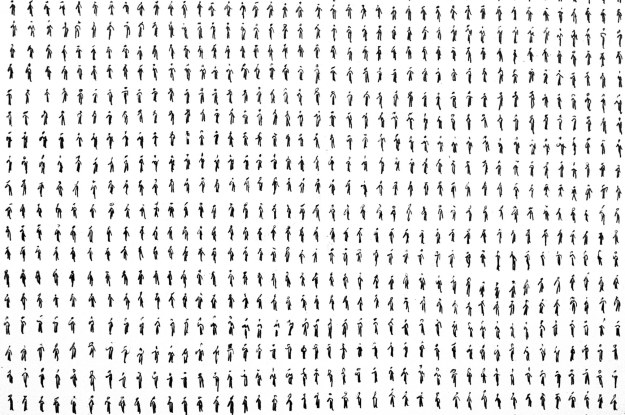
This drawing, titled 11,340 People, was created in 1983 and was one of three which are related. The others are 3040 people and 34,846 People. They are part of a phase of working on intense detailed pictures of sketch figures over a period of a year.
At the time it was made, I was working to establish my uniqueness as an artist, and, wanted to demonstrate, even just physically, something superlative. My work is the Figure, and Identity, and constructivist interest in materials. I am primarily a sculptor, but do some graphic works. I’d say that this drawing is built as an object is constructed, from elements repeated to form a structure. As the drawing progressed, I saw the optical effects of the pattern created in repetition, and this lead me to create more works like this.
Aaron and Judith Josephson bought this drawing from a show at The Contemporary Artist Workshop in Chicago while I was in graduate study at SAIC in 1983. The price was $275 after the commission and I lived on that money.
BW 3
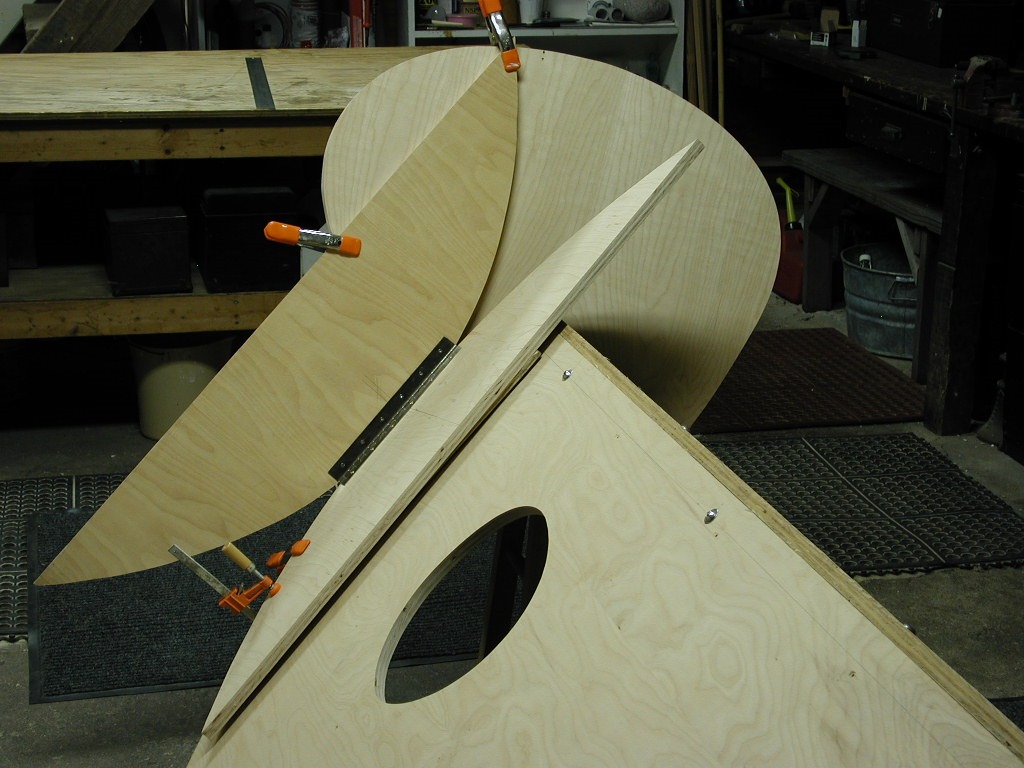
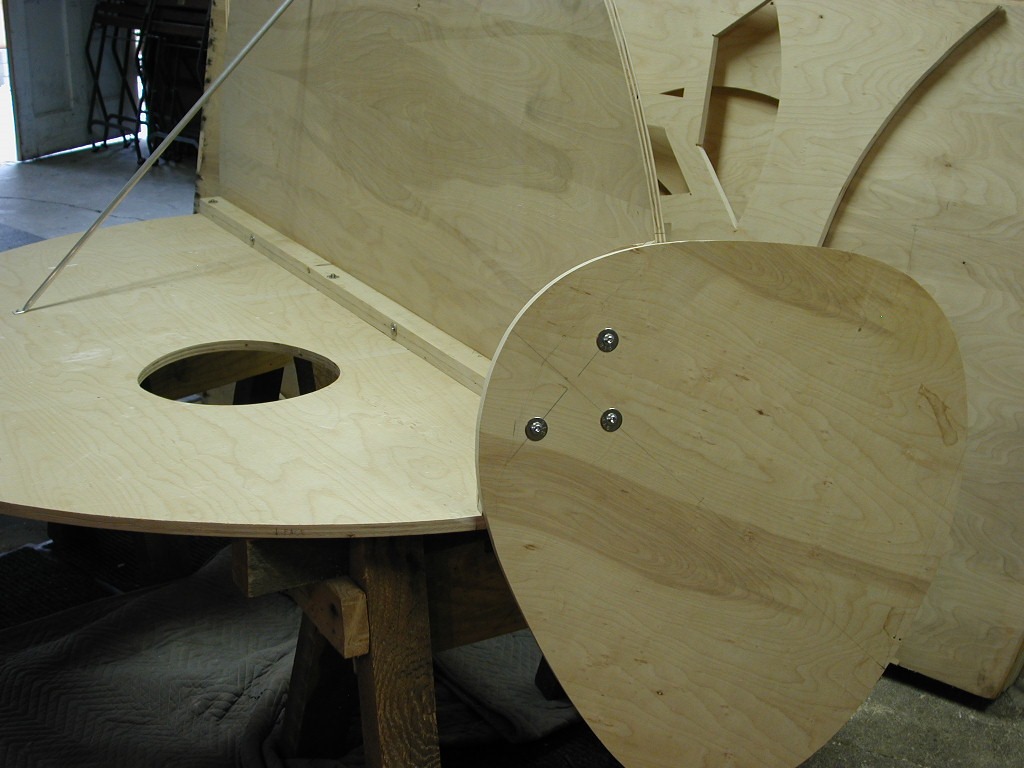
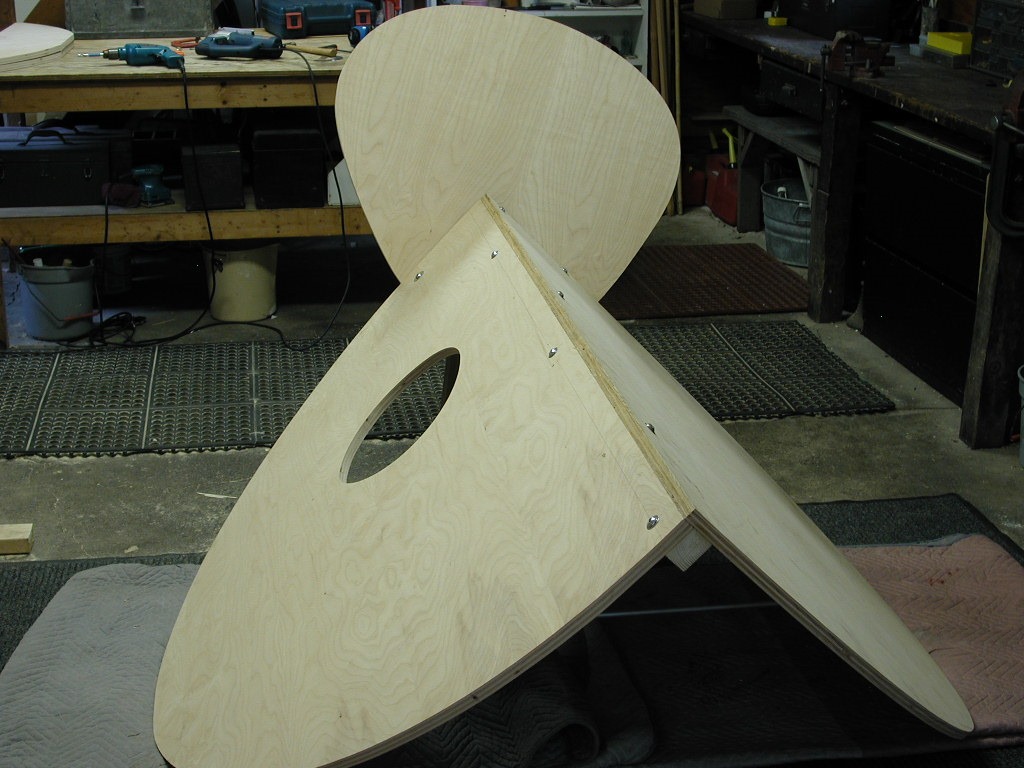
The body can go together now, and the attachment of the limbs.
The body is set upon the floor, and the head-piece is clamped into position with the help of a jig to hold it in place while adjustments are made, viewpoints are checked-out, comparisons to the model are referenced, and markings are drawn.
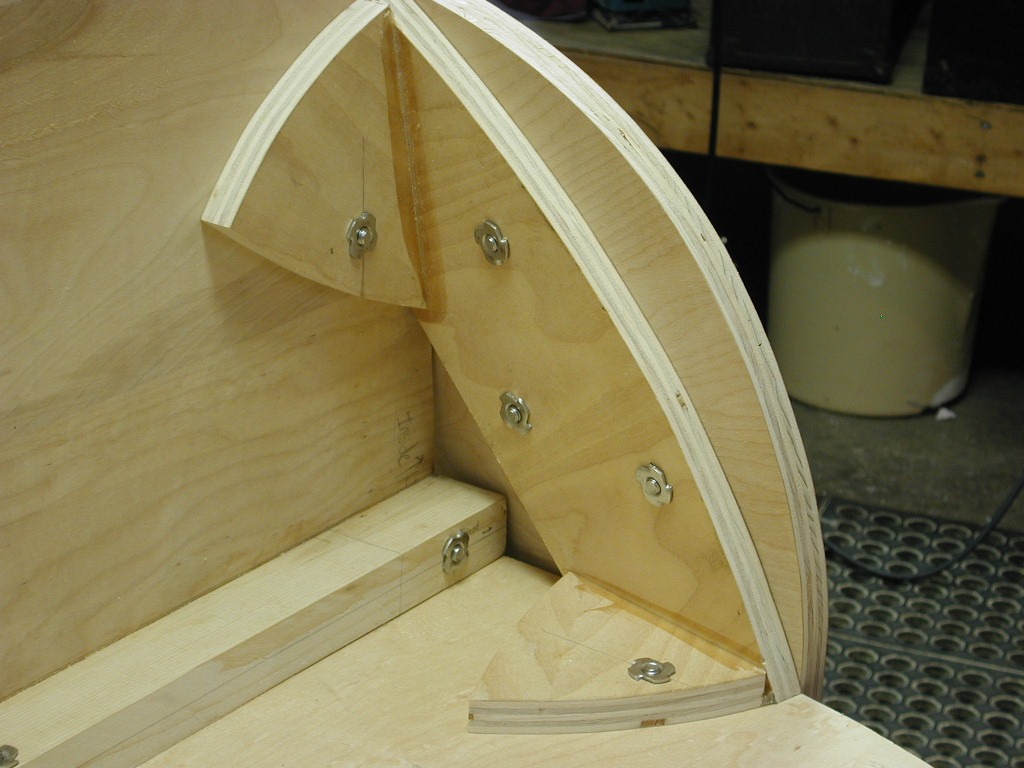
Mounting holes to the bracket are measured, drilled, Tee nuts inserted, and the head is fastened on. Nice.
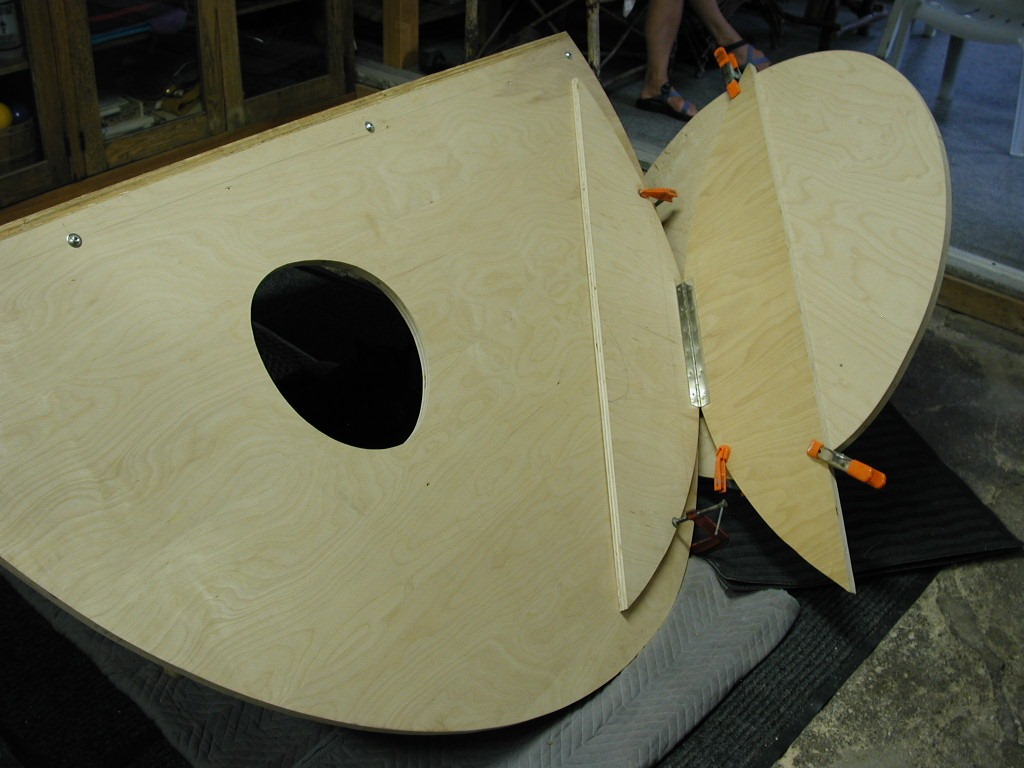
The right leg goes the same. It is clamped into place and compared to the model.
At this point I’m not certain about the best way to arrange, mark, and drill the mount bracket for the leg, and I’ll have four of these to do, so I want to get it right, have a system, and repeatable. The four holes on two pieces to be joined must line up accurately, or it’s a mess.
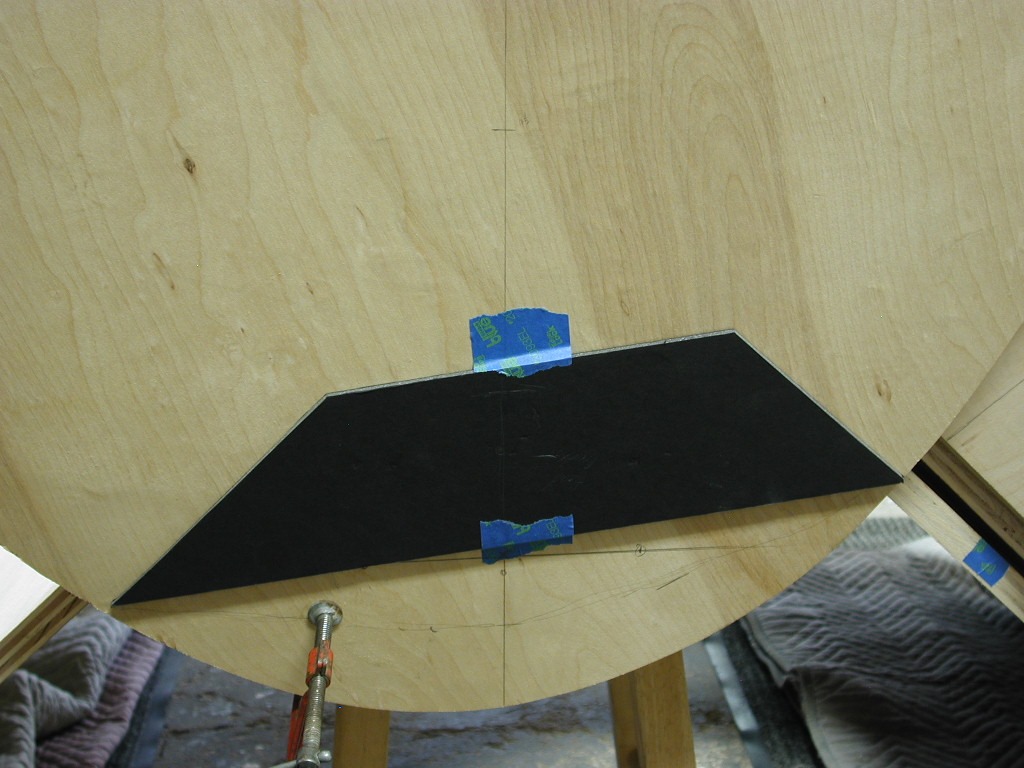
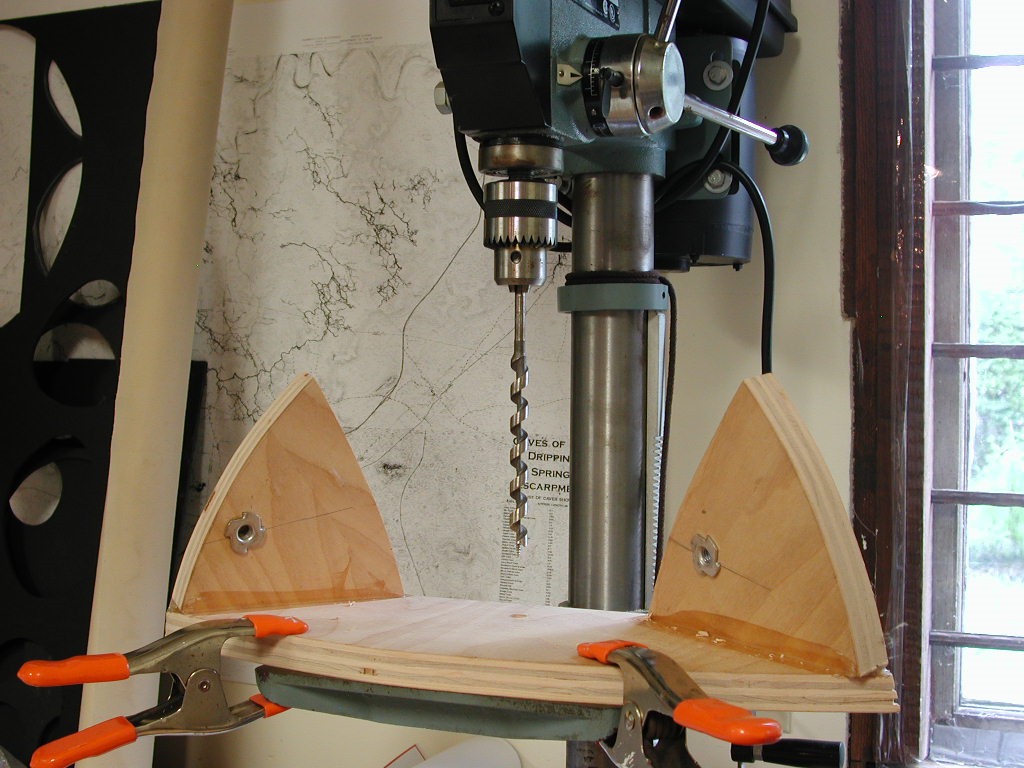
I drill a 1/8” pilot hole centered in each quadrant of the bracket. I then mark the placement of the bracket, and hold it with nails through the pilot holes. One at a time, I remove a nail and drill the pilot hole deeper through the leg or body part. Then I can remove the bracket and drill the four 3/8” holes for the bolts, through the body and leg following the pilot holes. I put the bracket on the drill press to drill the holes for the Tee nuts nice and perpendicular. I don’t want that angled or it will be difficult for the bolts to thread into them. That’s how I figure it, and this first one’s a test. I have better pictures of this to follow, during the mounting of the other three limbs.
This works. I can even do it mostly by myself without a helper. I feel this will come together quickly now, well, not exactly, because there’s a lot of complicated marking and drilling to do for each bracket and limb, so I’ll say instead, come together reliably.
A system, Ahh!
Blue Woman
There’s many sculptors who’ve worked with metal cut-out shapes. Calder is the one that comes to mind, and Picasso, Gonzales, Smith, Russian Constructivists, Oldenburg, a lot of Minimalists. There’s much to like, but I’d always held a reservation that cut-outs were a shortcut to sculpture, not real sculpture, and somewhat of a 2D interpretation of sculpture, like what a painter would make if asked to sculpt something.
Then I saw some works by Adolph Gottlieb last Fall at the UM Art Museum here in town. Definitely a painter, clearly derived from his painting, and something that I really enjoyed looking at. I accepted the idea that sculpture of this type is derived from drawing, and that is it’s purpose; to set itself off of the flat page into a sort of optical space that is still not fully three-dimensional. A kind of a visual image of space, not real space itself. So that’s what it is, and I decided to see if I could come up with a work for this medium.
I’ve been occupied by the idea of the Venus-Woman reclining-Nude over the Winter, produced a model for a carving in wood to do, which I haven’t started, and thought; can I also take this into a flat space and do it differently too? So I began with some drawings.
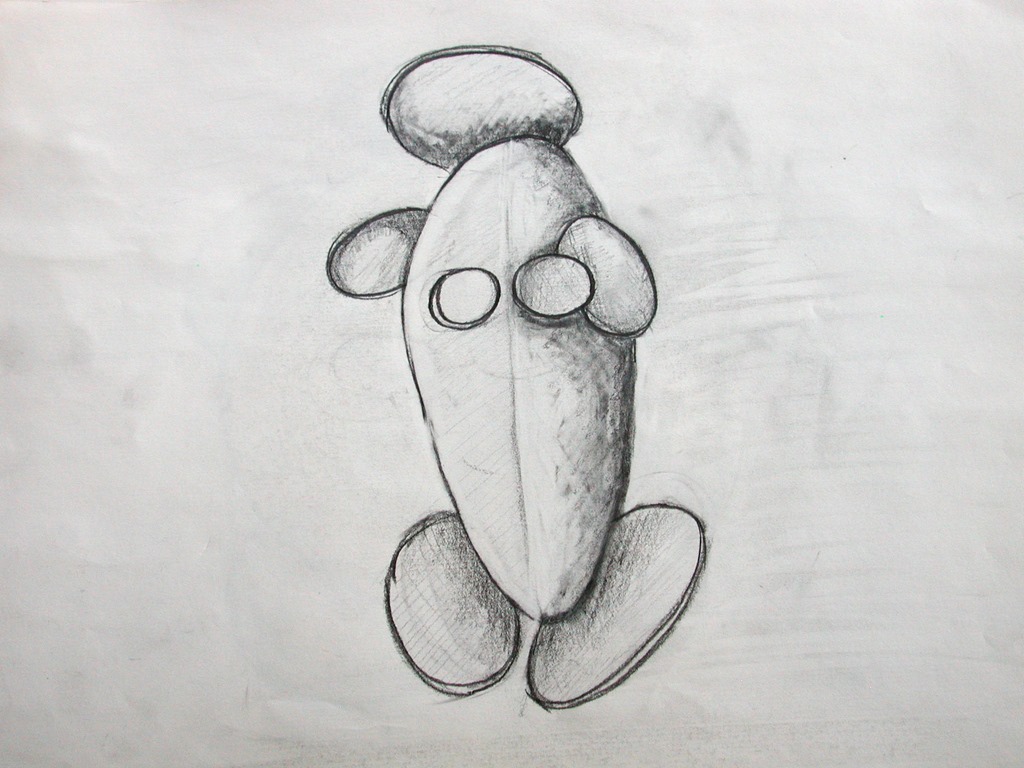
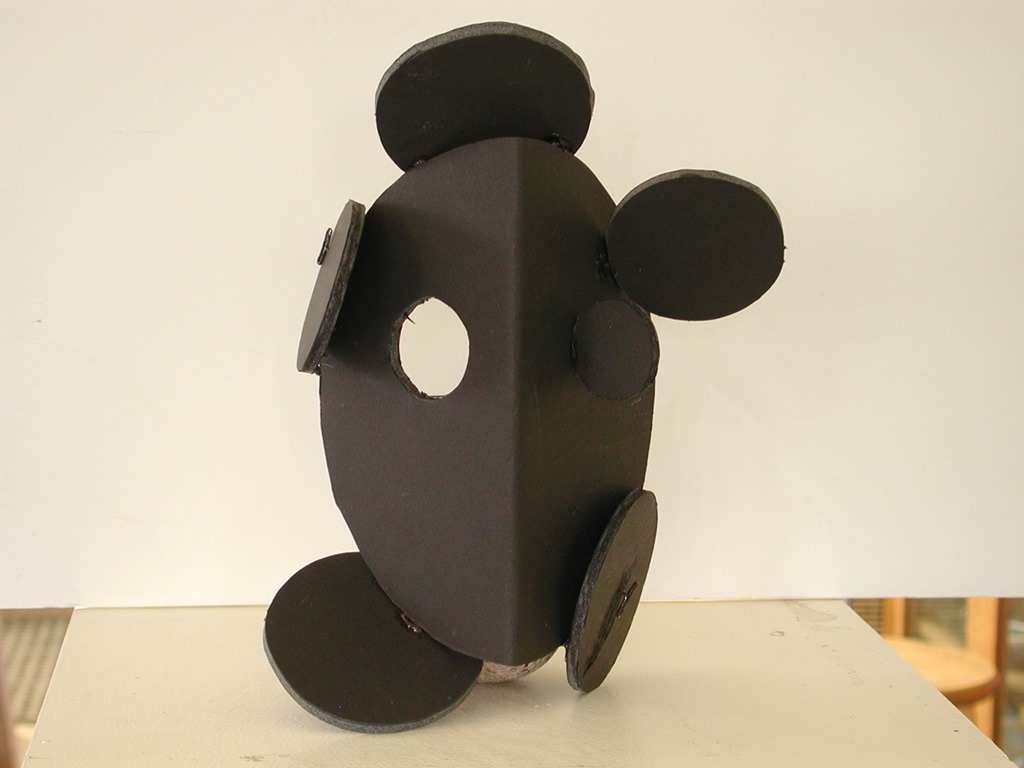
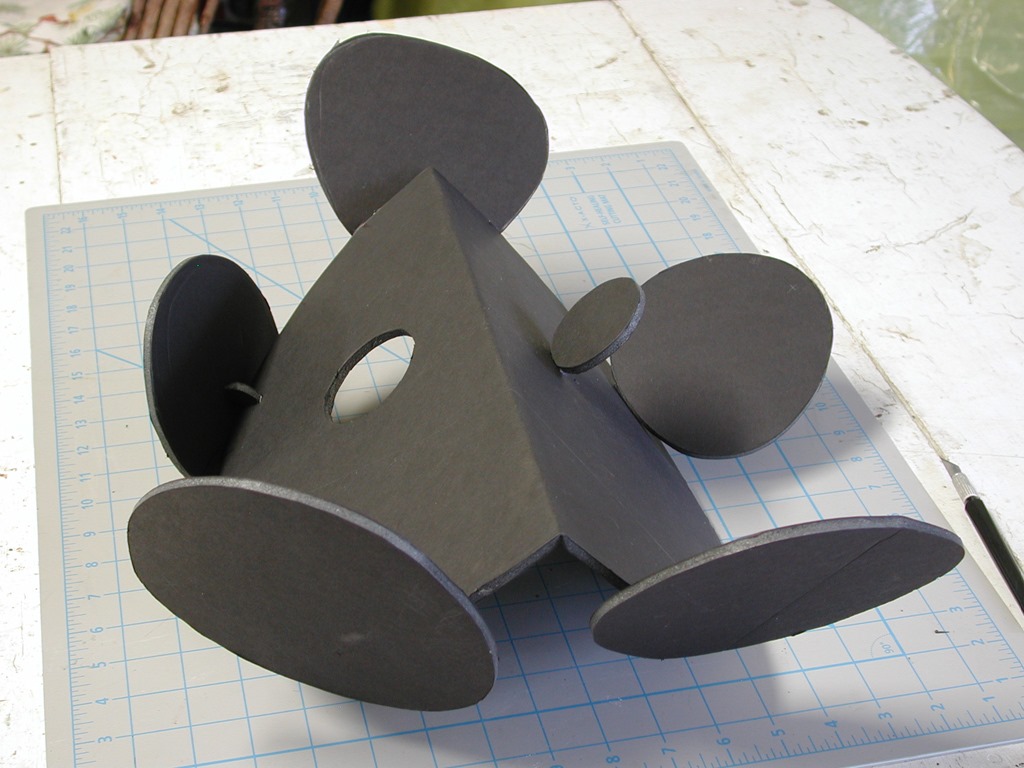
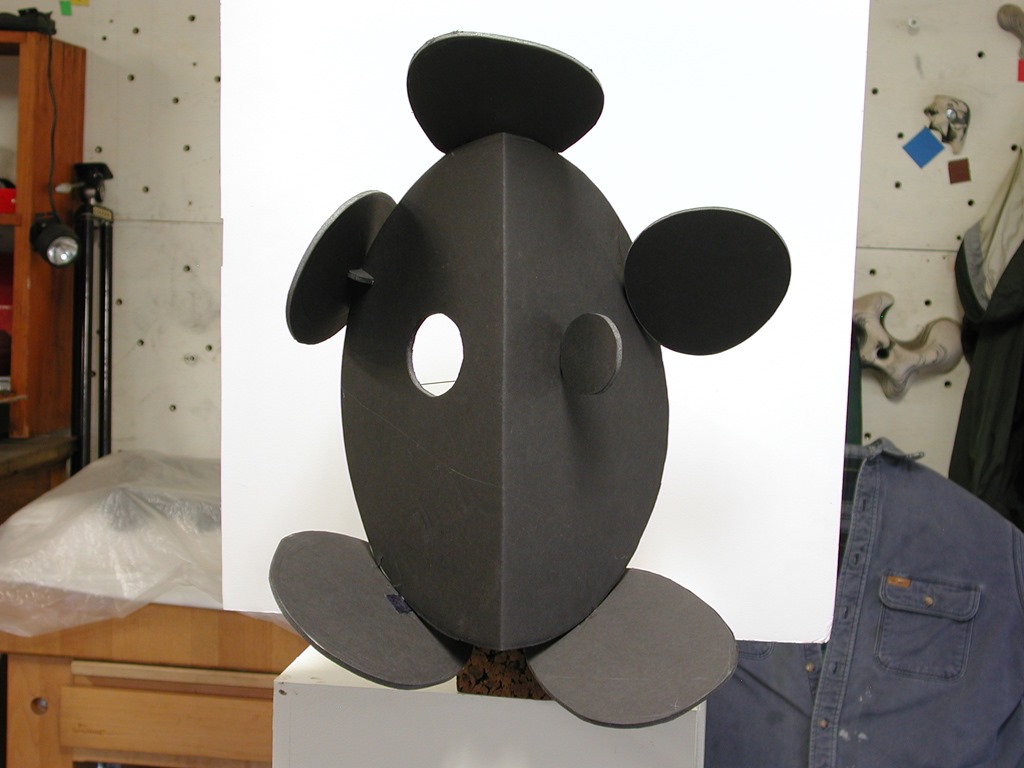
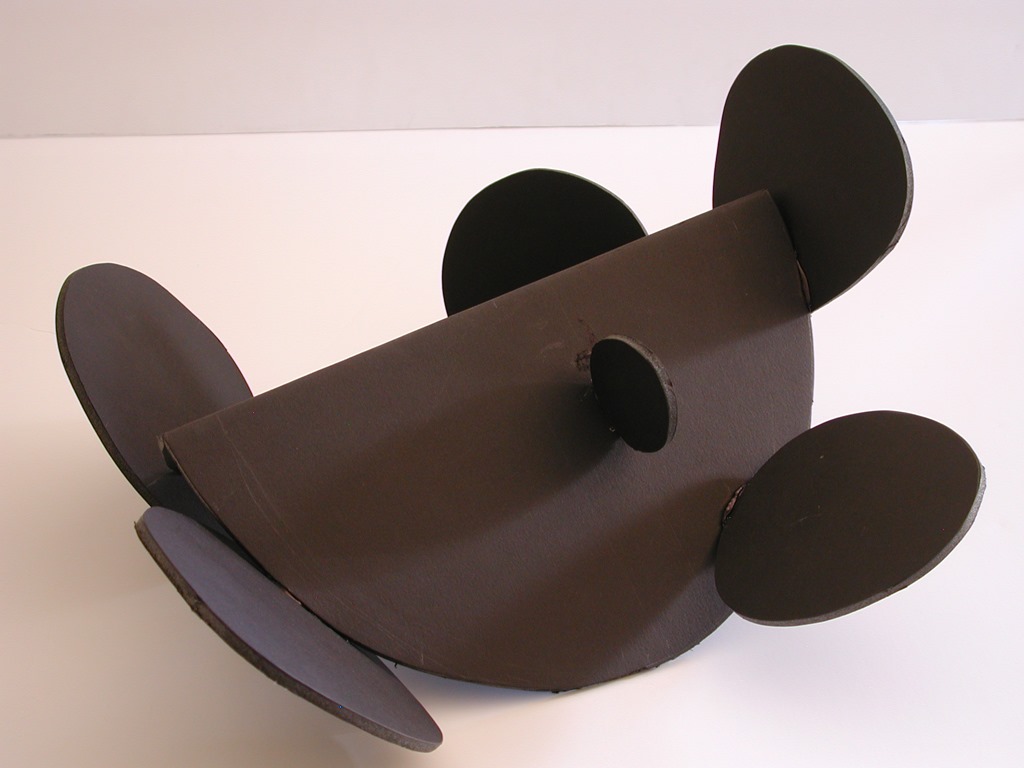
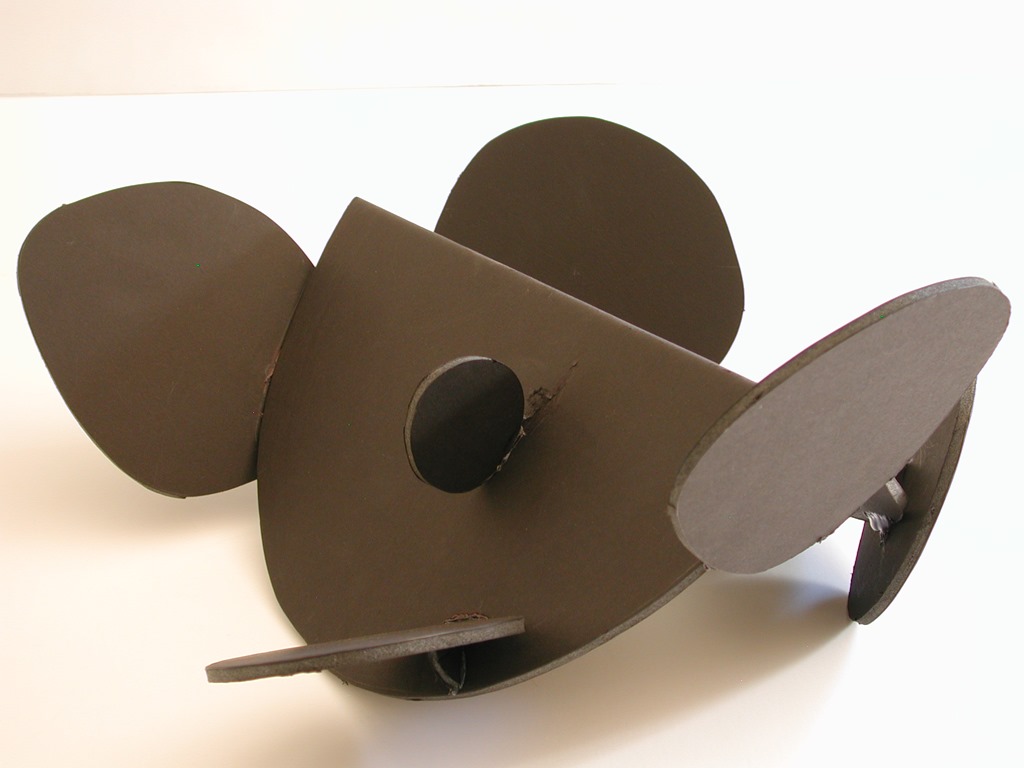
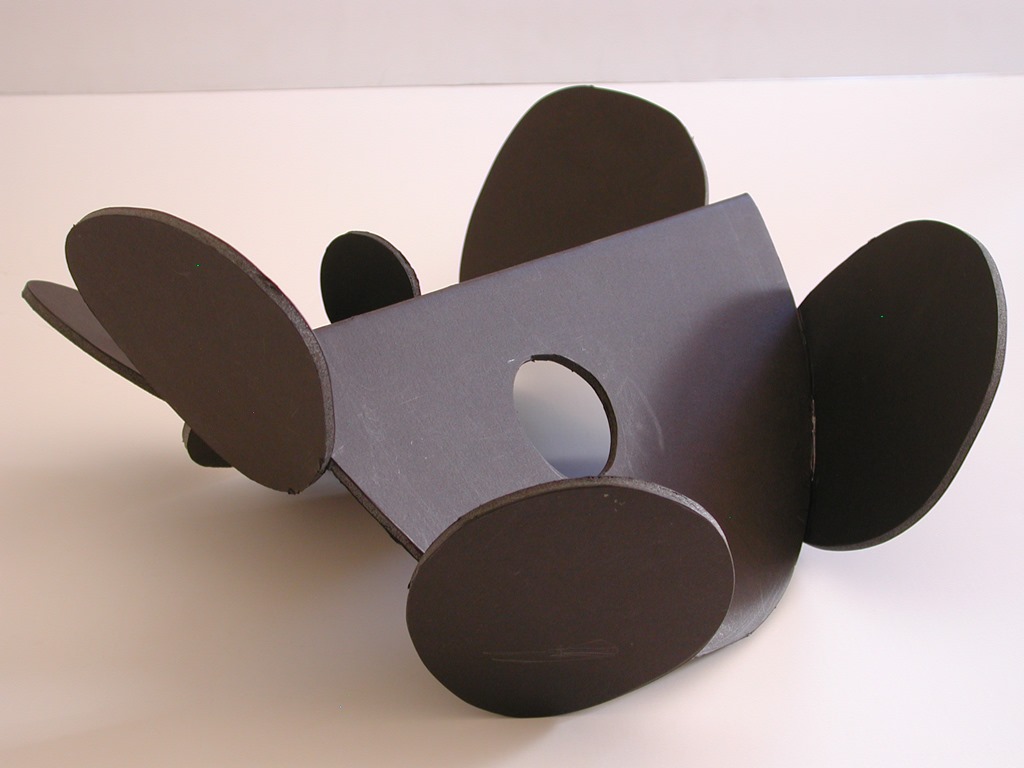
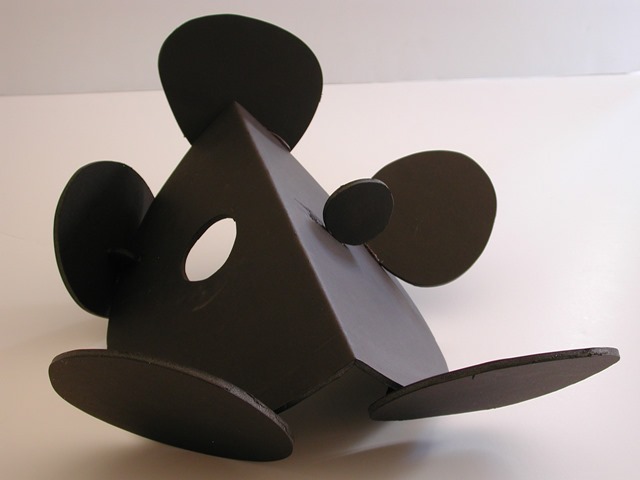
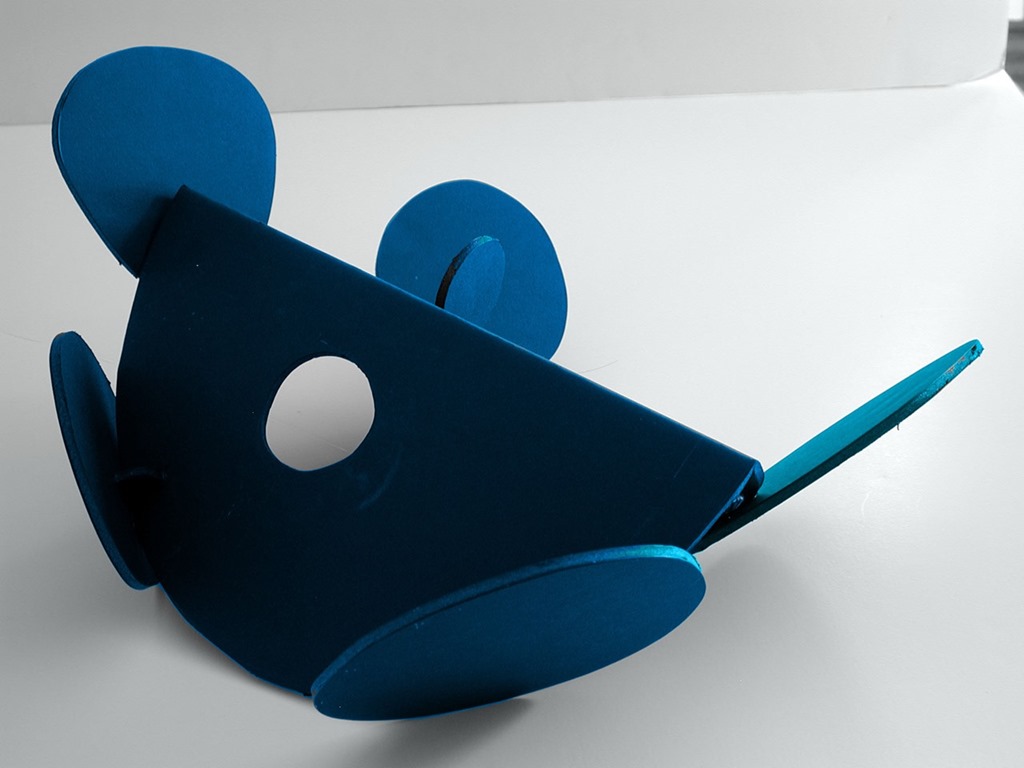
And then models, of what else, cut-out cardboard, no really, foam-core, which is what after all? – status cardboard. A small one- 8”
A larger one- 16”, but slightly awkward-
And one more, with a shorter body and better proportions – 14”
Along the way I decided she would be laying down, in the classic reclining pose. And Blue, the color of infinity, the sky & water.
So I like this, and I’m seriously planning making a larger, out of plywood, about the size of a large coffee-table or couch, and painted blue, Infinity Blue. Infinity Blue Woman.
Pour
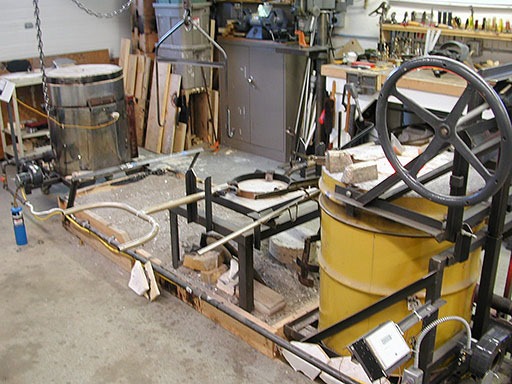
The big day, again. The scene at H’s foundry studio
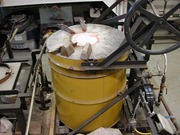
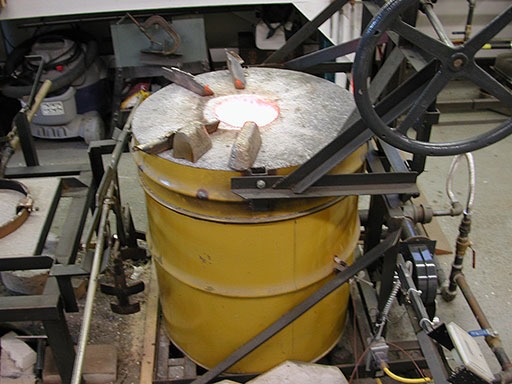
Bronze melting in the furnace, tools waiting on the line, mold preheating in the kiln. No action pictures, sorry, too busy. (video of another pour here)
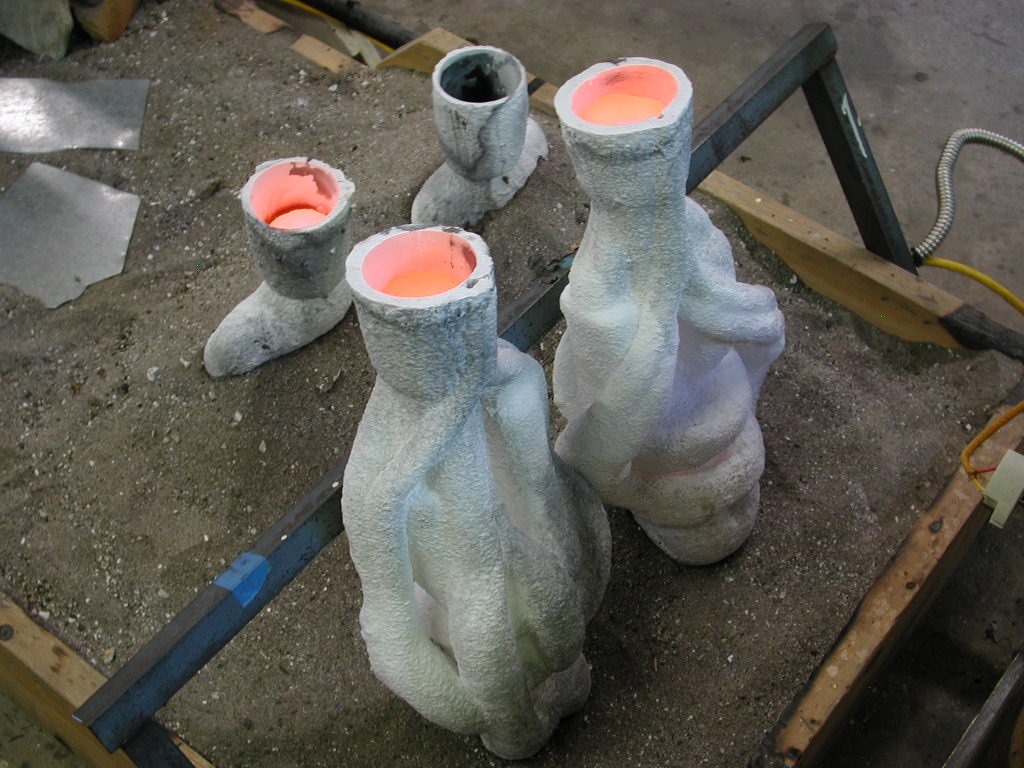
The ceramic shell molds just filled:
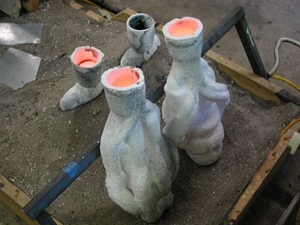
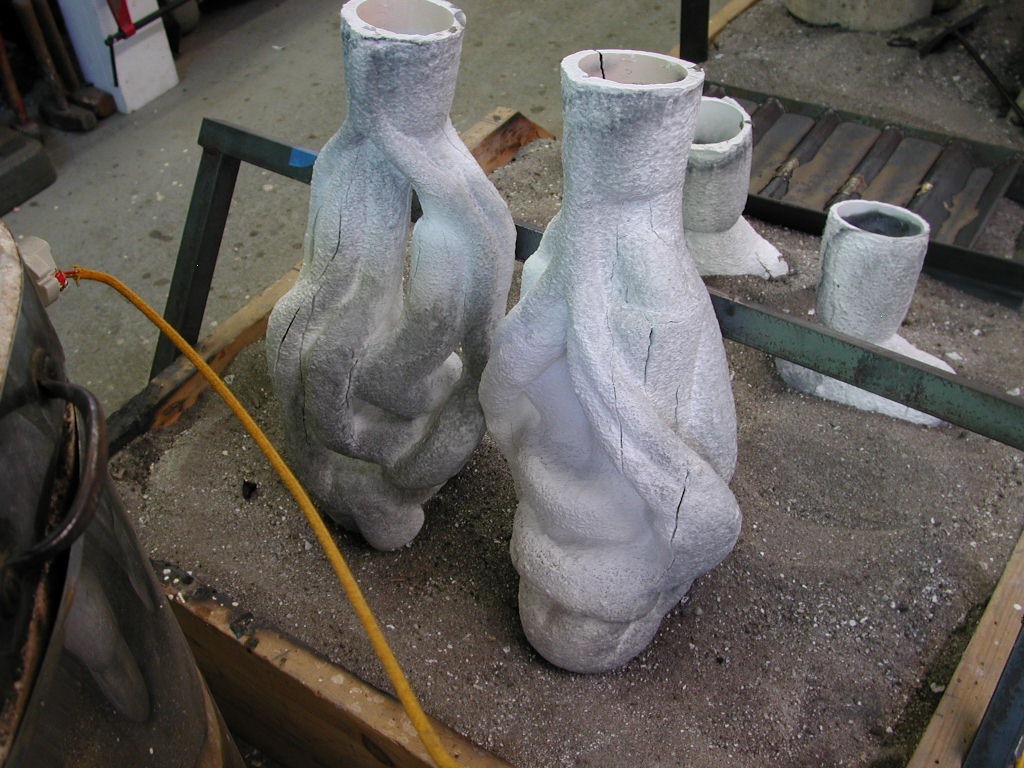
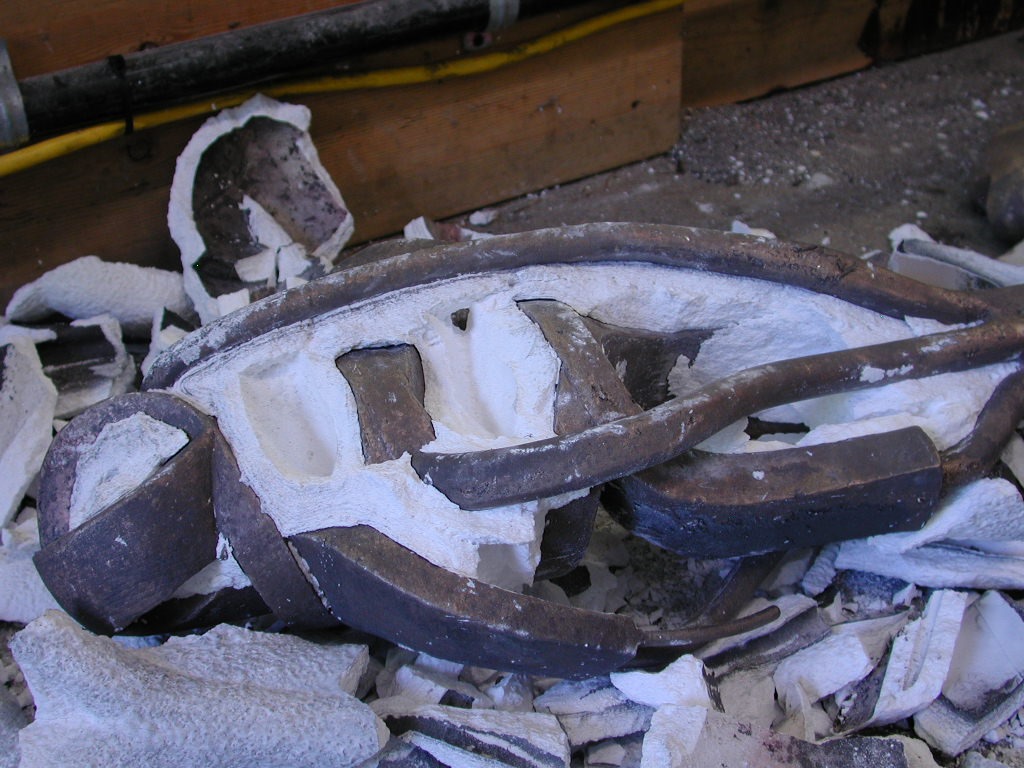
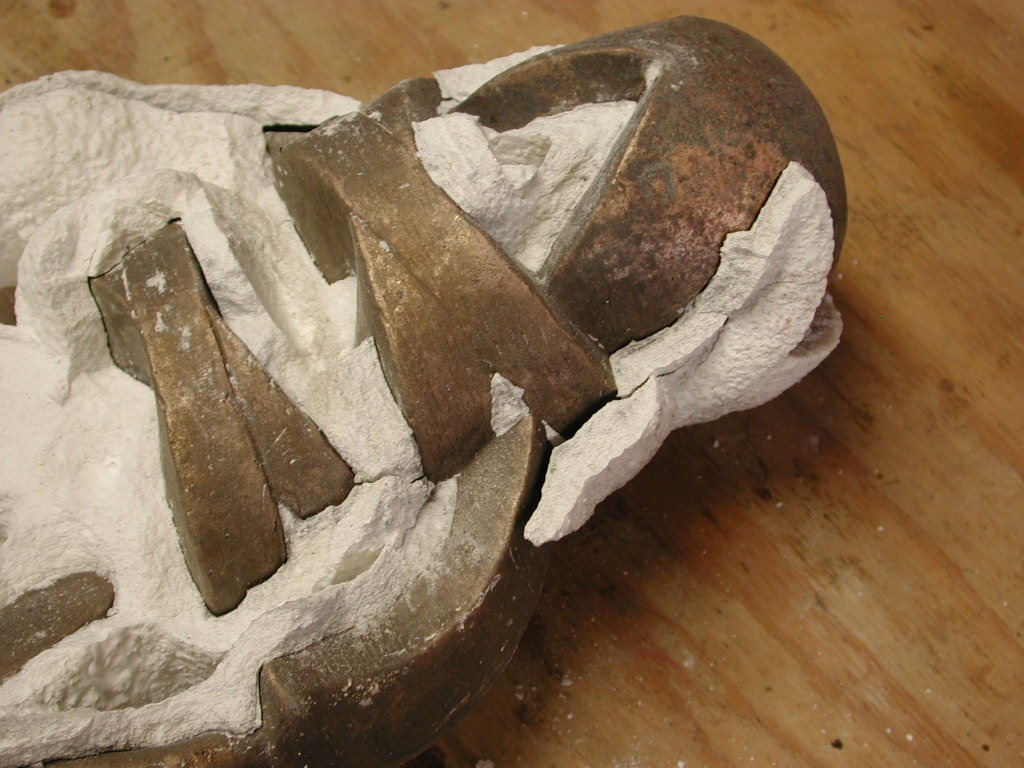
As the metal cools, it shrinks, and begins to fracture the mold apart.
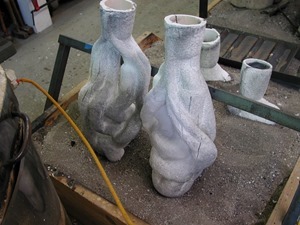
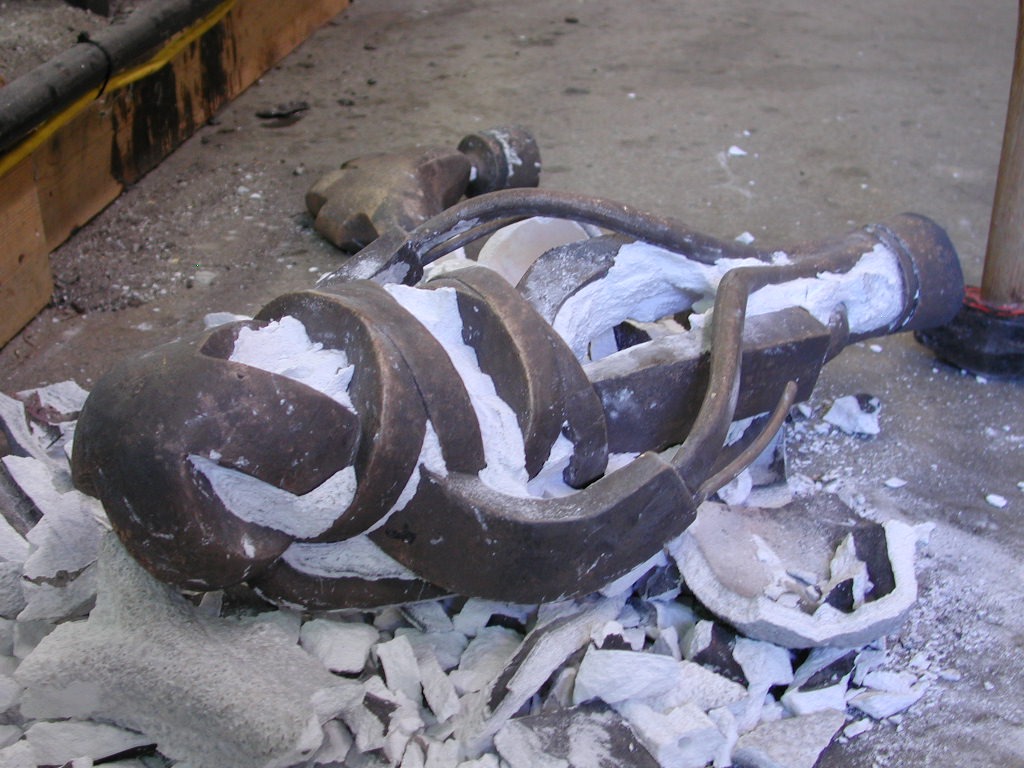
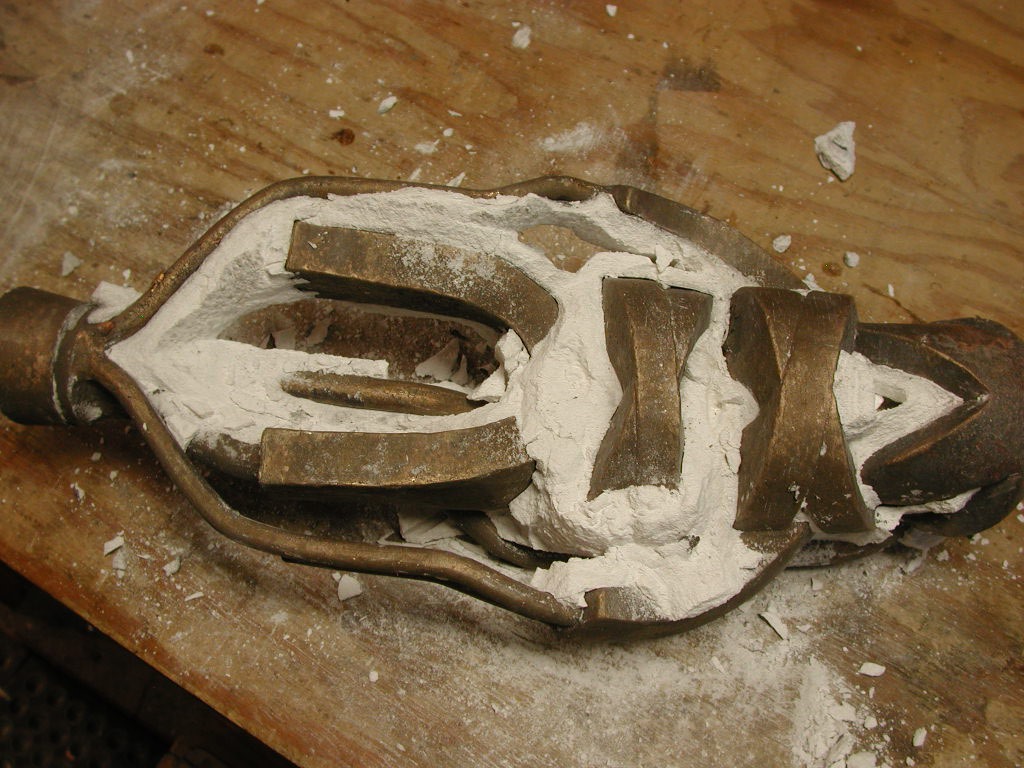
After lunch, we return, anxious to roughly smash up the shell and see what we have.
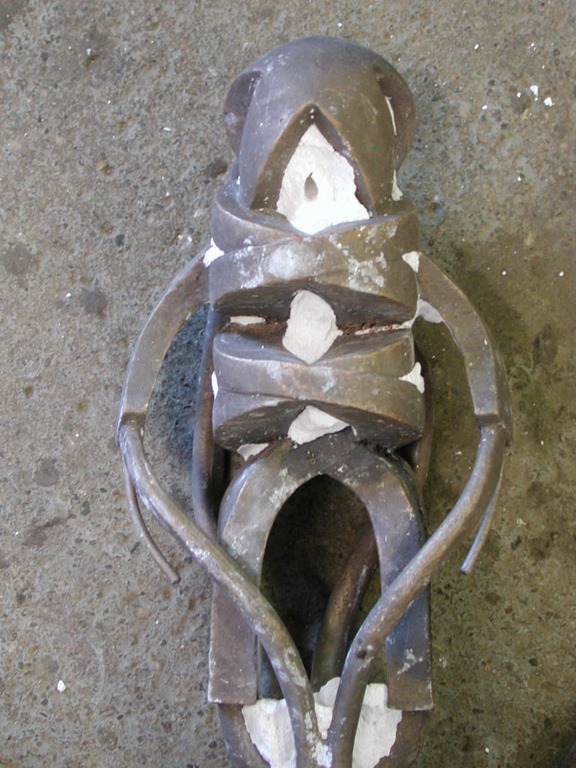
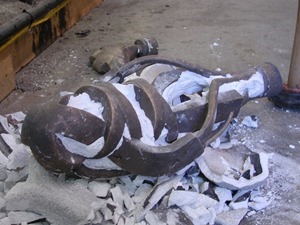
Front
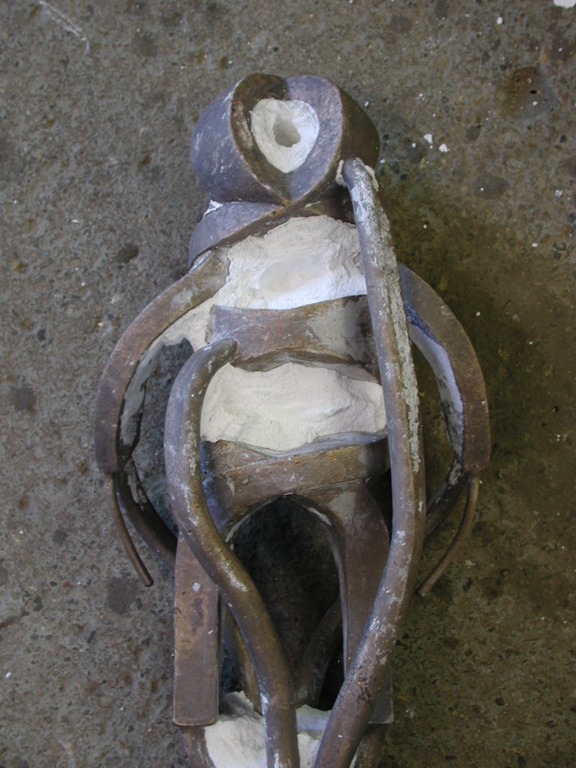
Back
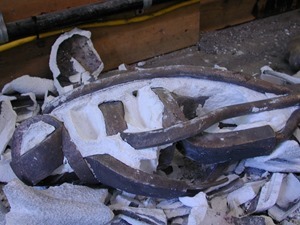
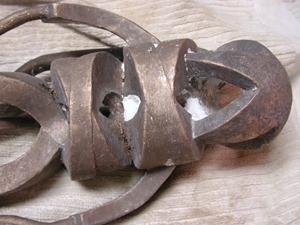
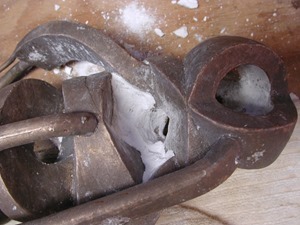
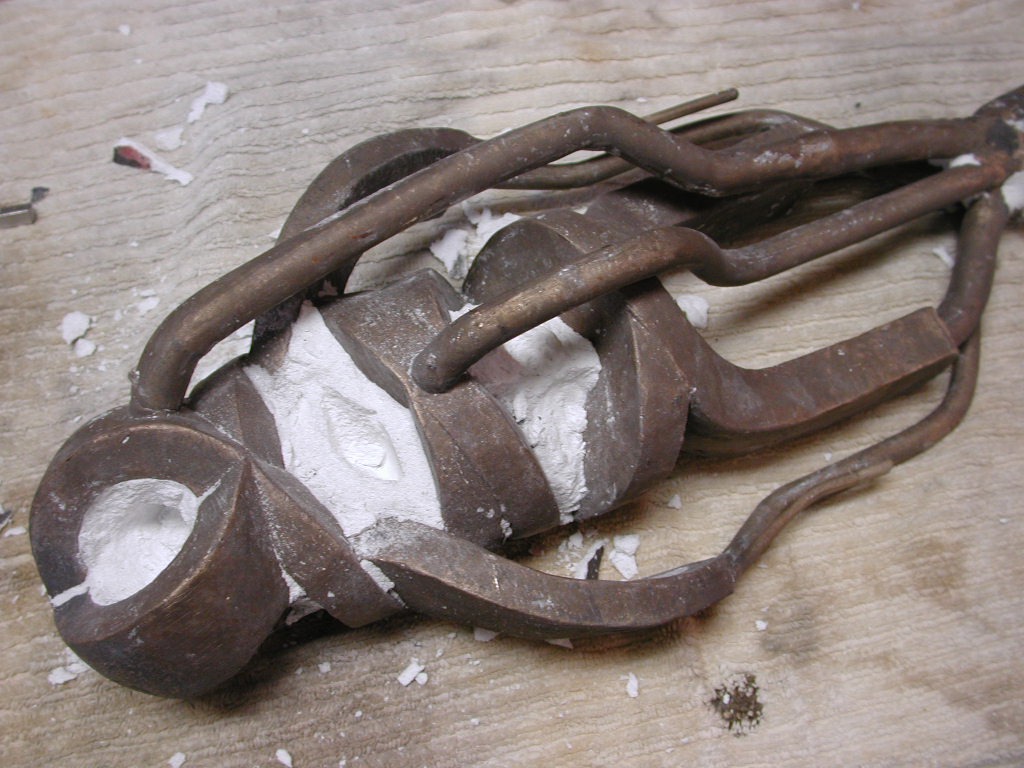
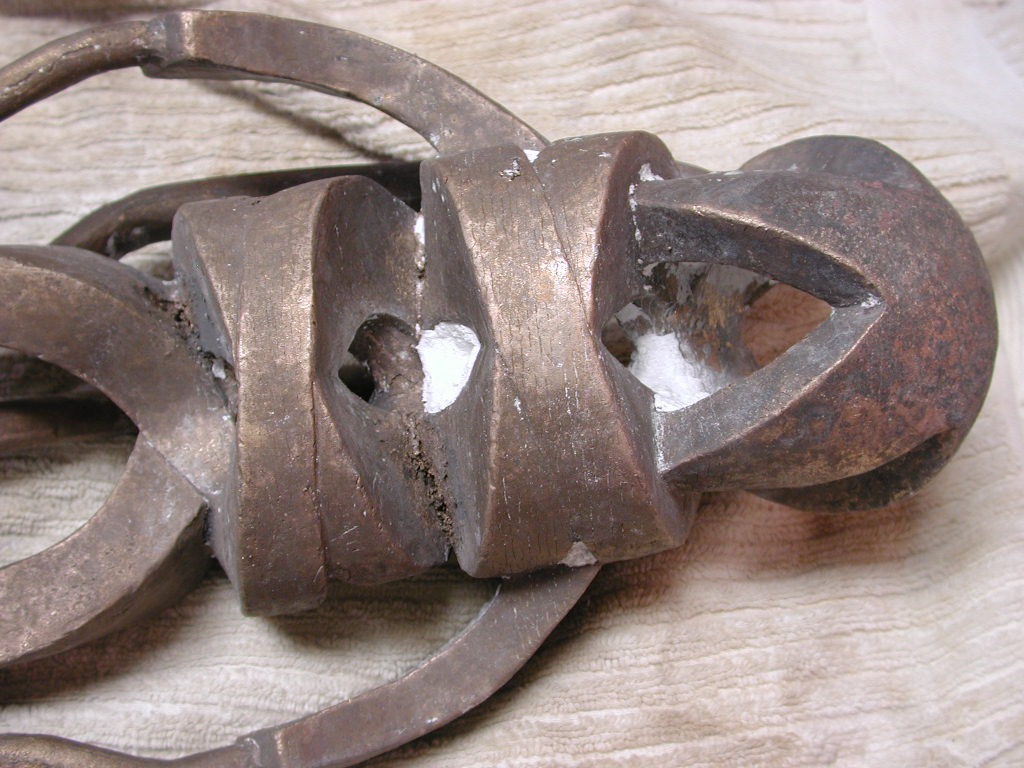
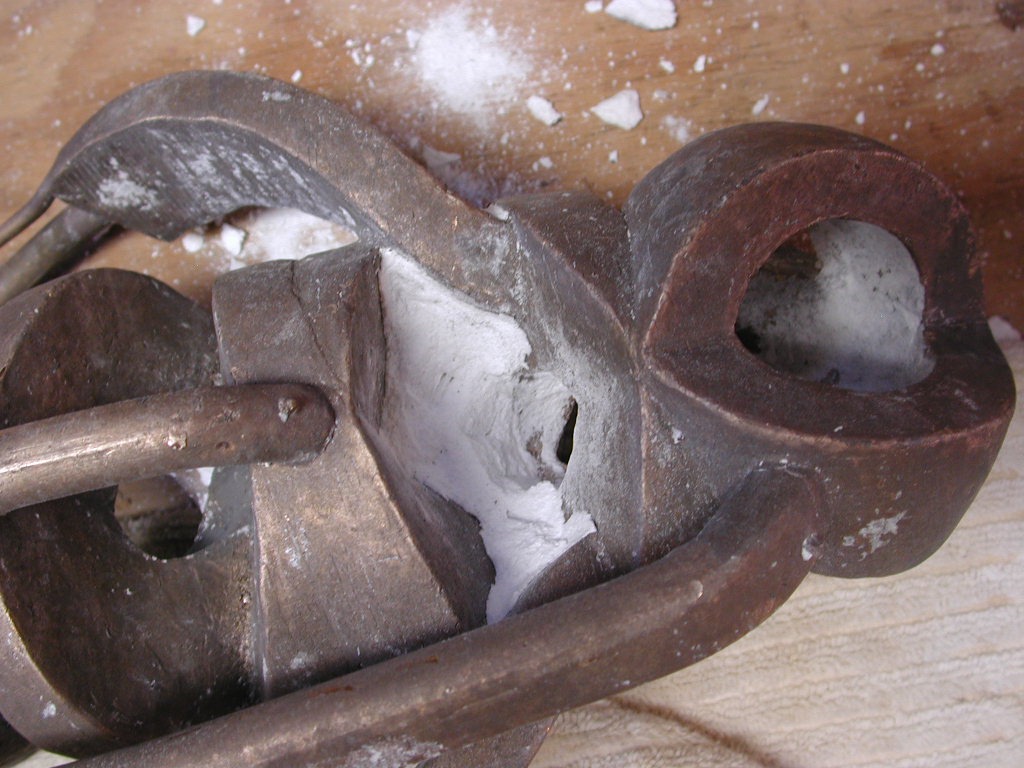
What I’m looking for is; the casting is complete, no voids or freeze-out of metal in any part, a generally smooth consistency of metal and good surface details faithful to the original. There is the customary small amount of pitting or scaring caused impurities in the bronze, which gives character to the material, and nothing much in terms of flaws from/in the shell molds which would require much repair or patching, there is a nice fire scale and color to the casting.
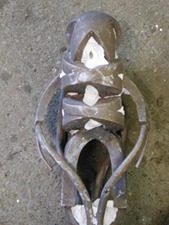
I have a tremendous feeling of satisfaction well-earned. I grateful to be working on a team with guys who can produce such things as this. I feel it is a rare thing to be working at this level of excellence in anything, and I’m glad it is happening to me.
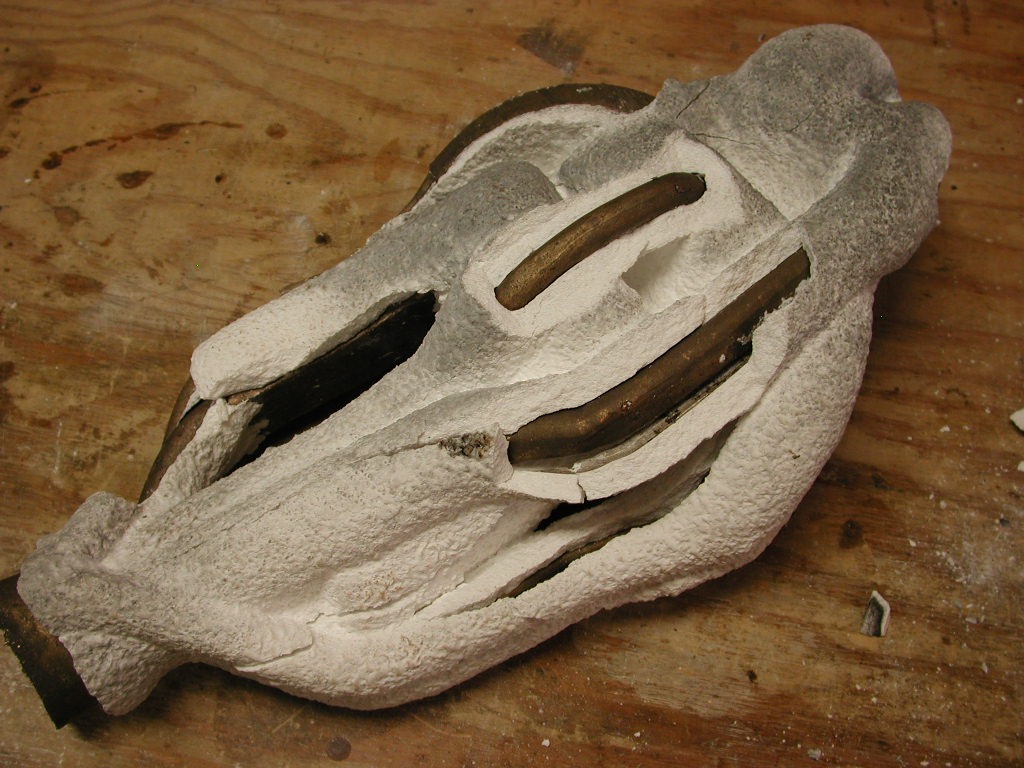
Next day, back at my shop, I take apart the second piece more thoroughly.
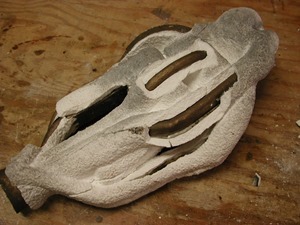
The shell mostly flakes away easily, and the deeper crevices are cleaned out using a chisel and hammer.
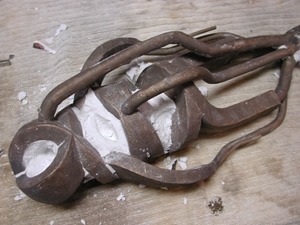
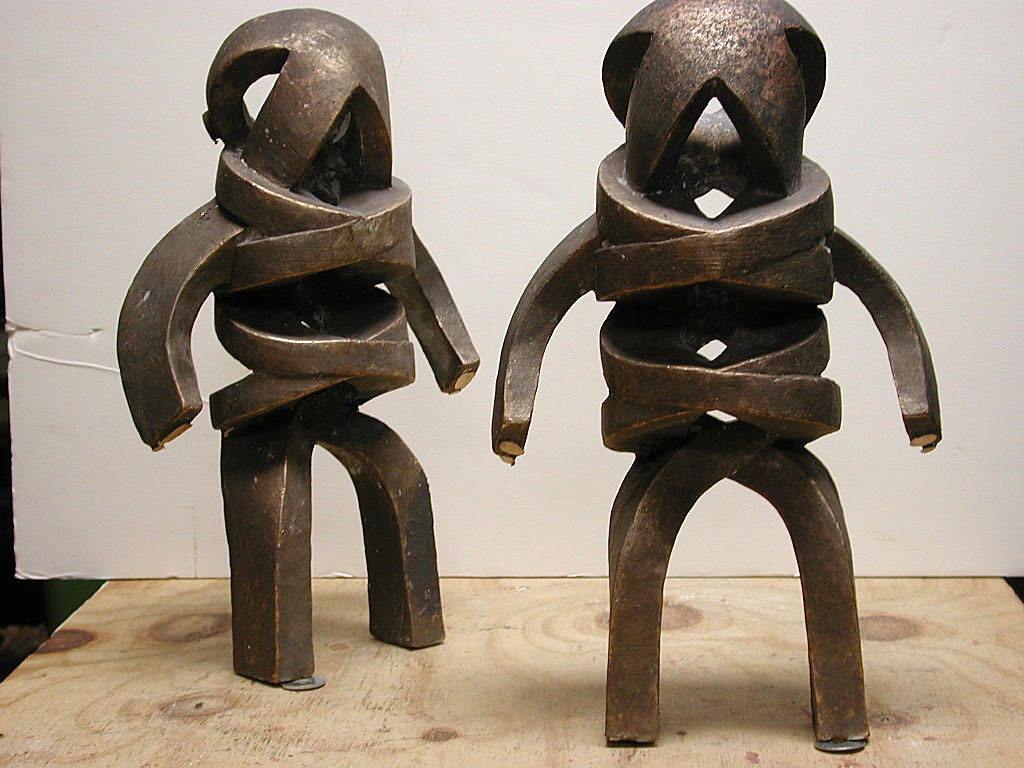
I have two fine castings.
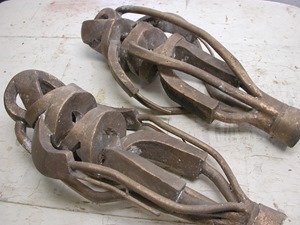
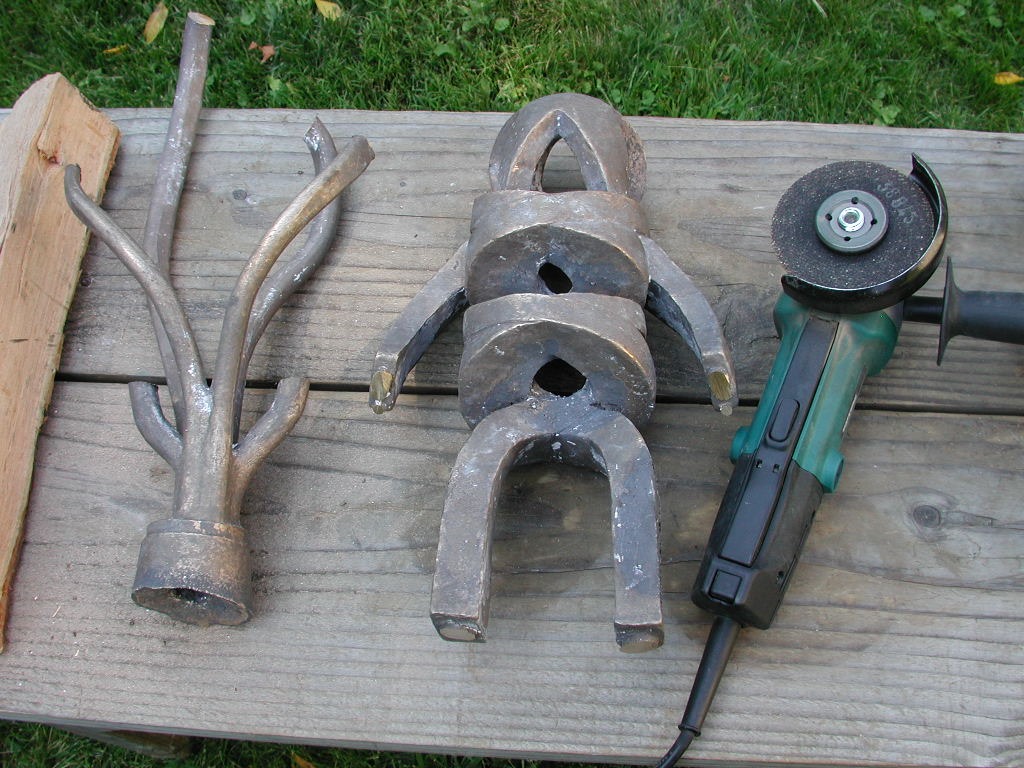
Next, I cut off the sprue system.
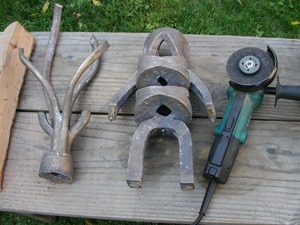
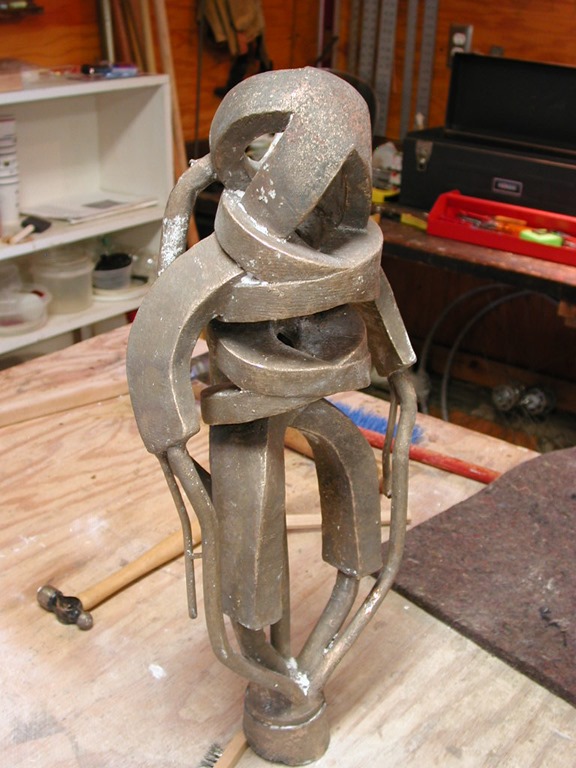
Now I can see the completed piece, the complete general idea. It is excellent, what I hoped for.
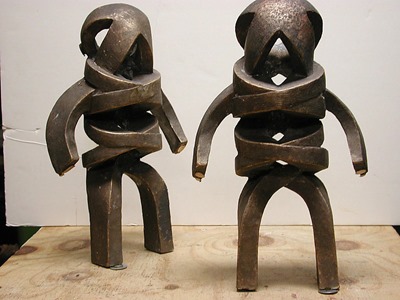
Inevitably there is still much to do to detail or “chase” the casting; more cleaning, maybe sandblasting in places and patching\repairing some areas, and choosing whether or not to patina the piece and how. I’m leaning towards keeping the natural fire-scale finish, rather raw now, but it improves after a year or so naturally. Otherwise I’d considered that classic black with green haze patina we all know from museum pieces. Think about it. Another weekend and this will be ready for my show in October.
October 4 – November 1, 2013
Main Gallery: Joyce Brienza & Matt De Genaro
Opening Reception: Friday, October 4 – 7pm – 9pm
Paint Creek Center for the Arts
407 Pine Street
Rochester, MI 48307
Gallery Hours: Monday – Thursday 9am – 9pm, Friday 9am – 5pm, Saturday 10am – 4pm
Cradle remove
The first half of plaster is finished. Now I flip it over and remove the cradle. The front-side plaster now serves as the cradle for the work.
The cradle is removed in pieces and carefully pulled back from the clay blanket which remains in place against the plaster and surrounding the model. Toss out the cradle thankfully, for the work it did.
The second side is ready to begin working on. Another clay blanket and plaster will be made to enclose this side of the model.