Tag Archives: matthew DG

Sprue II & shell

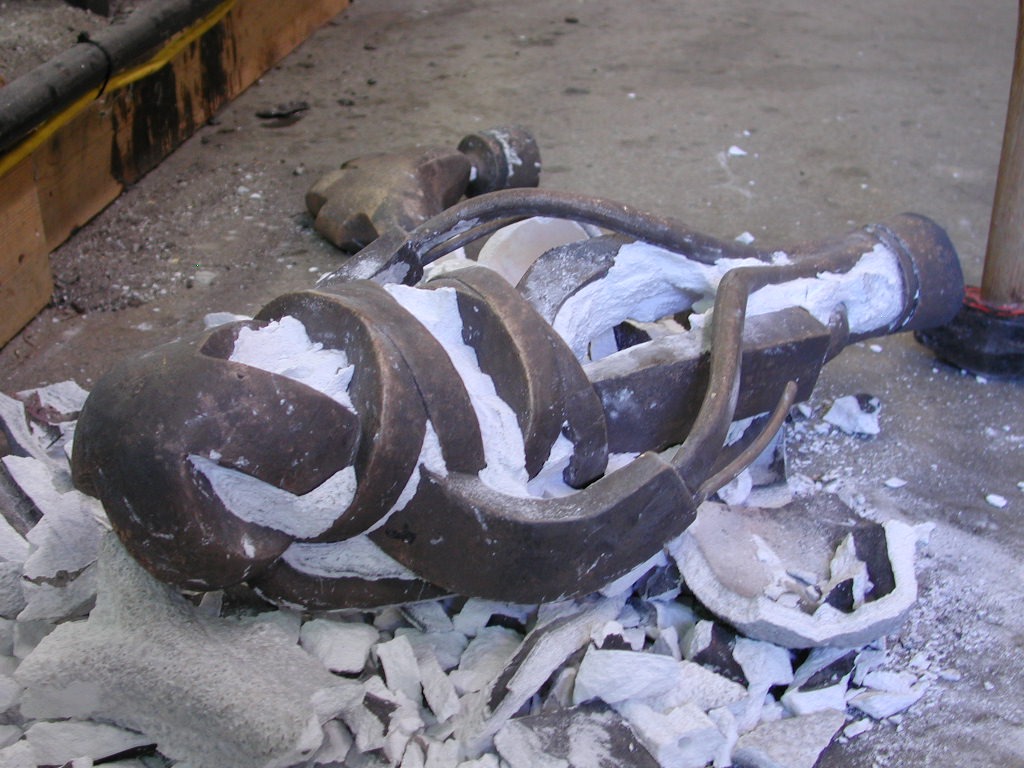
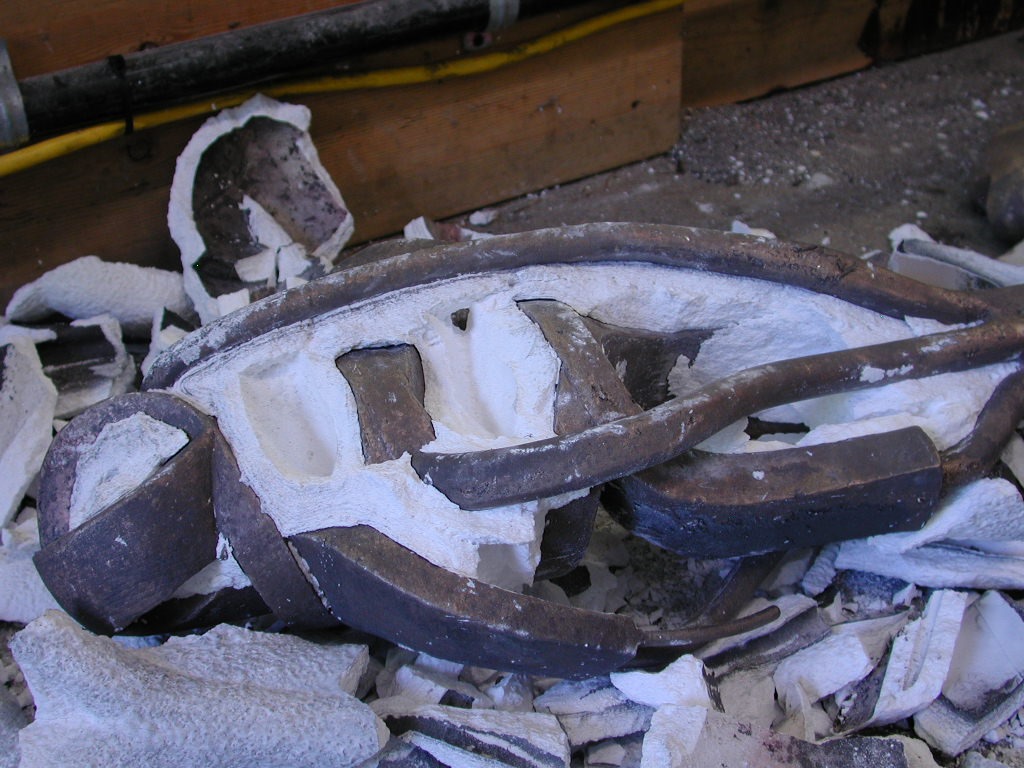
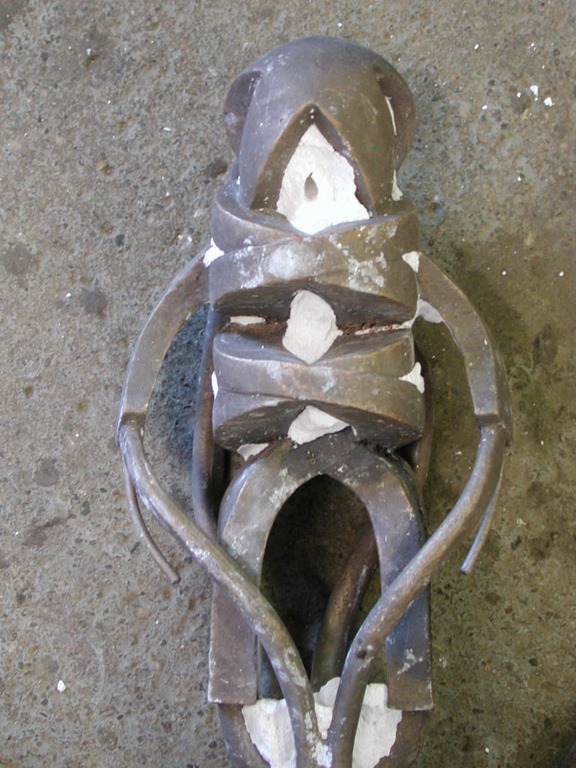
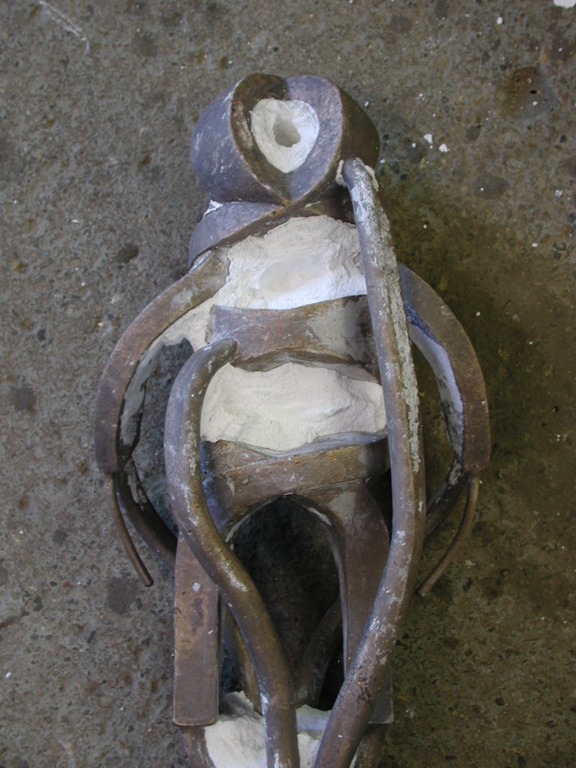
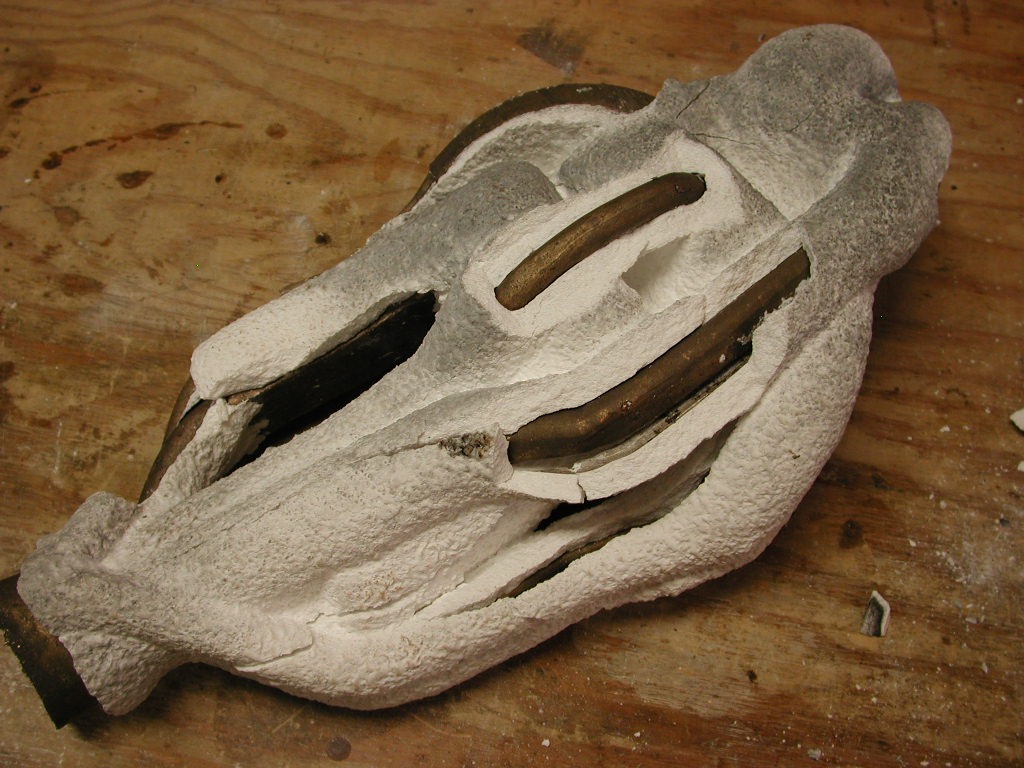
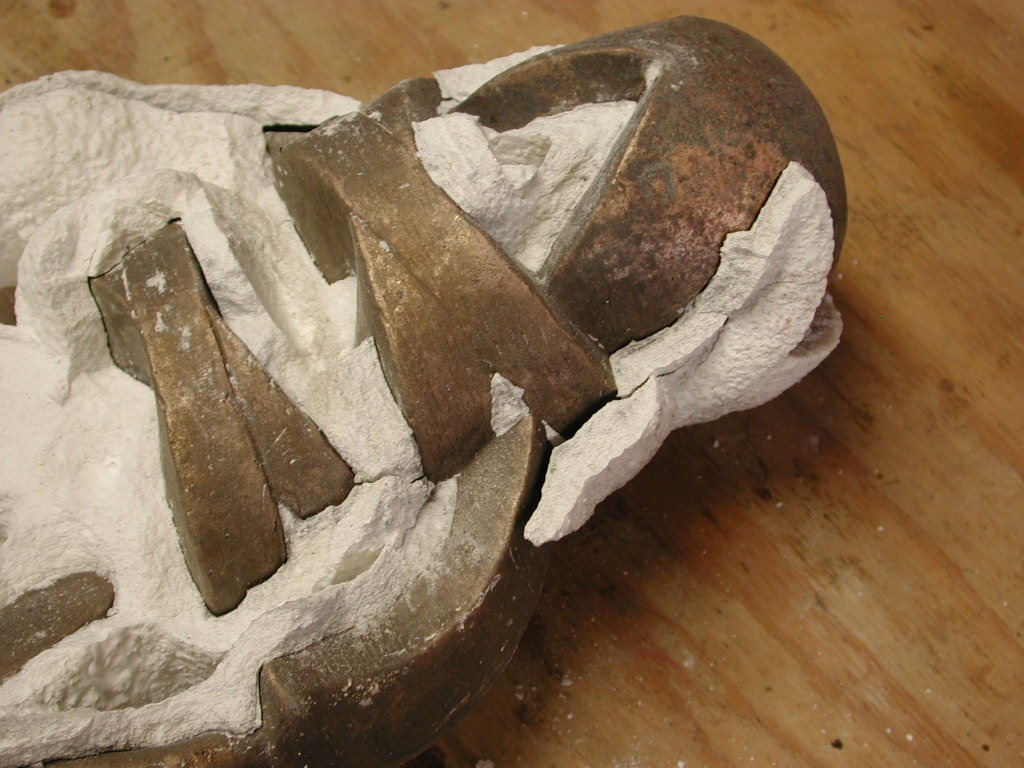
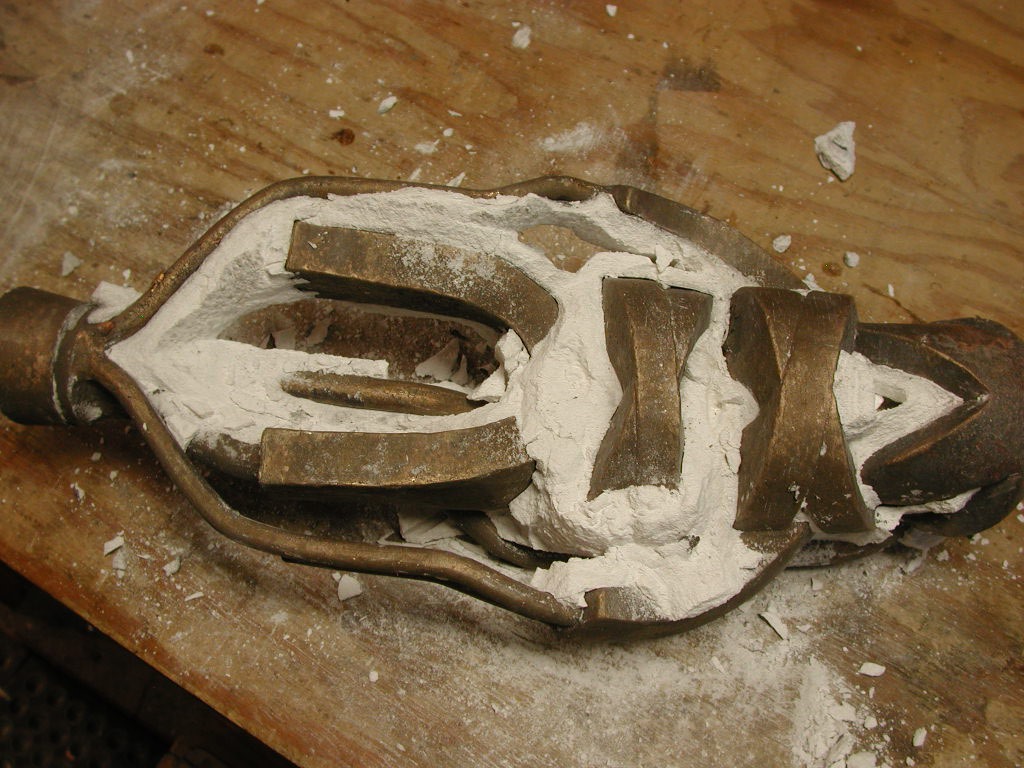
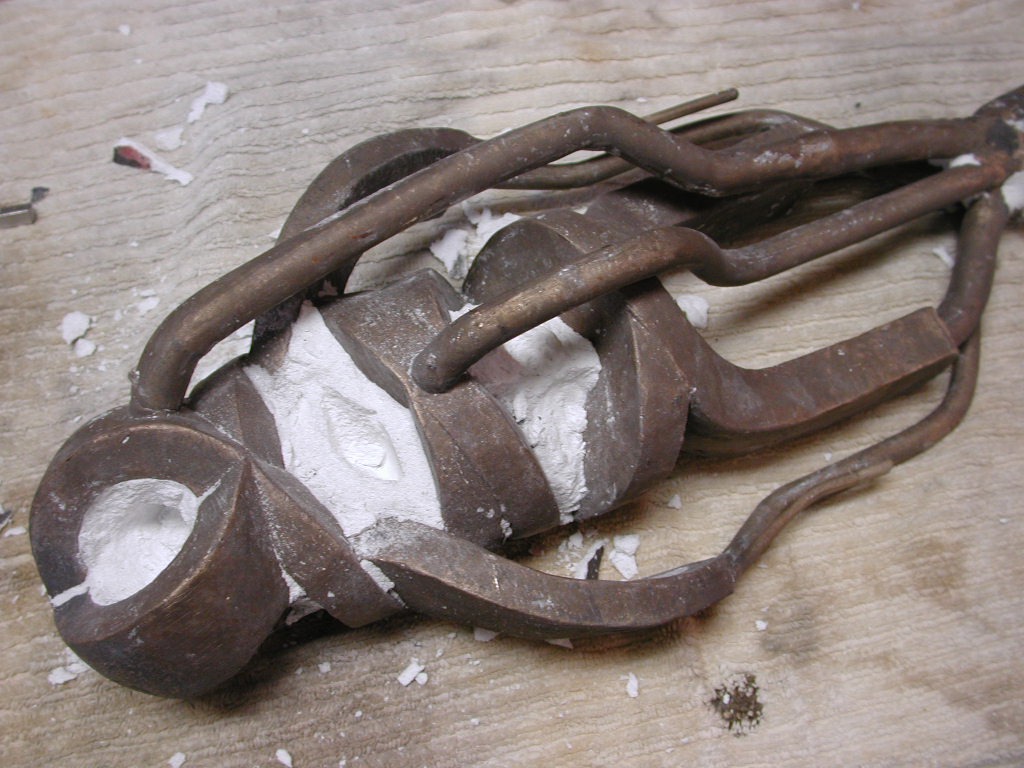
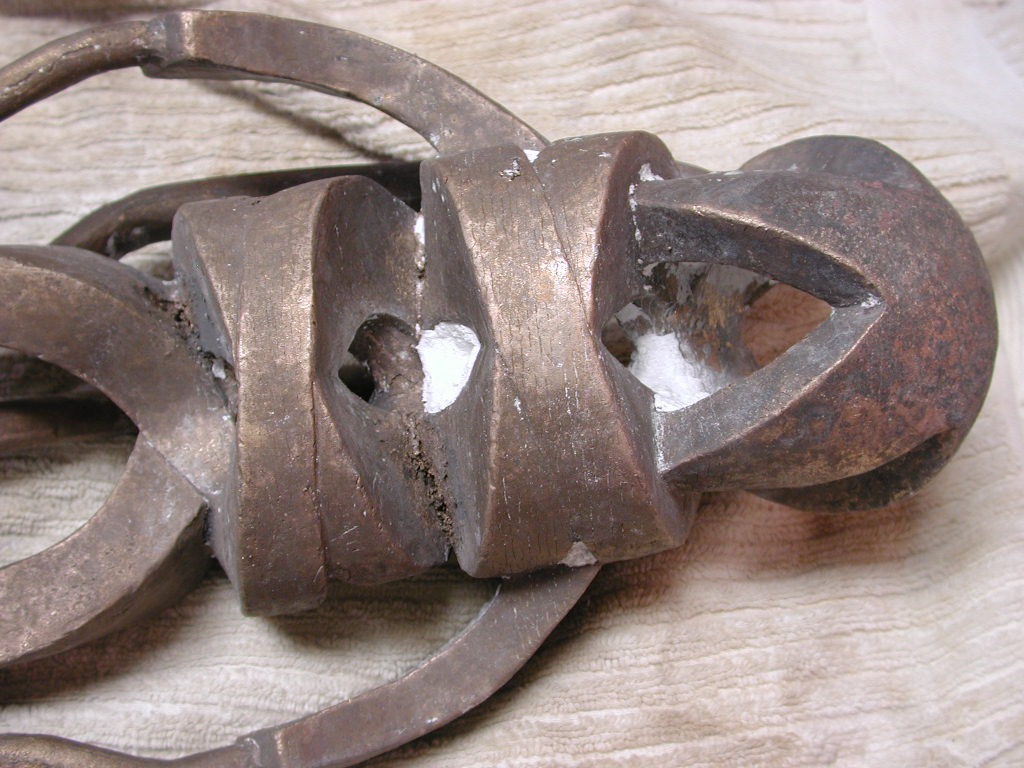
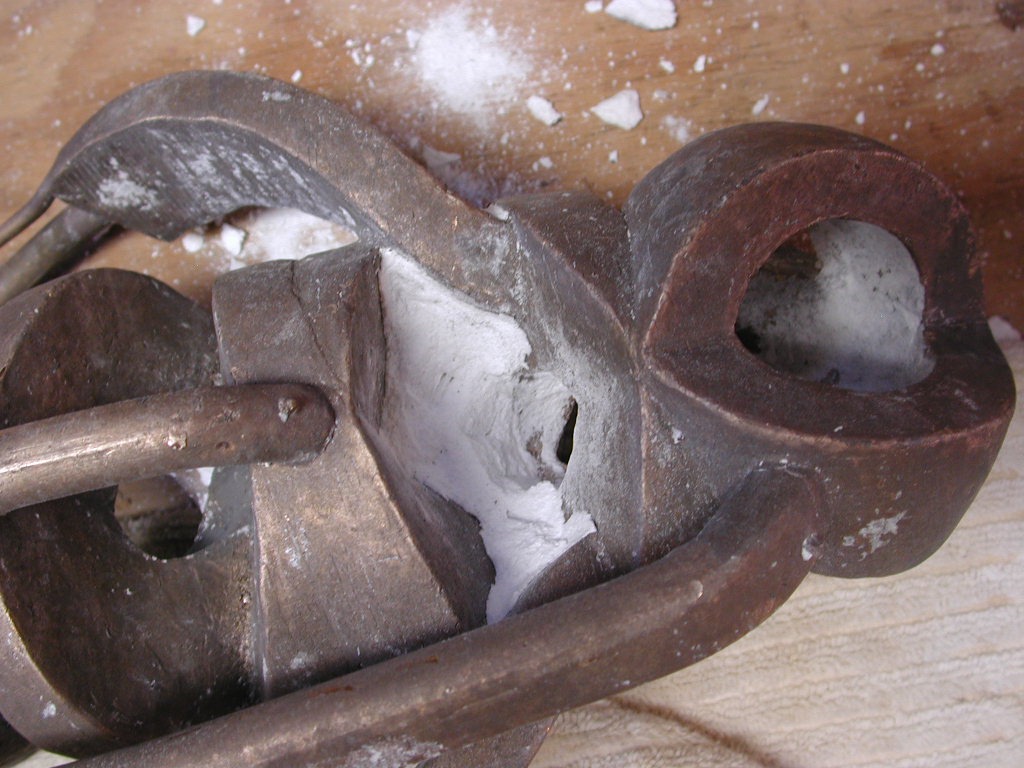
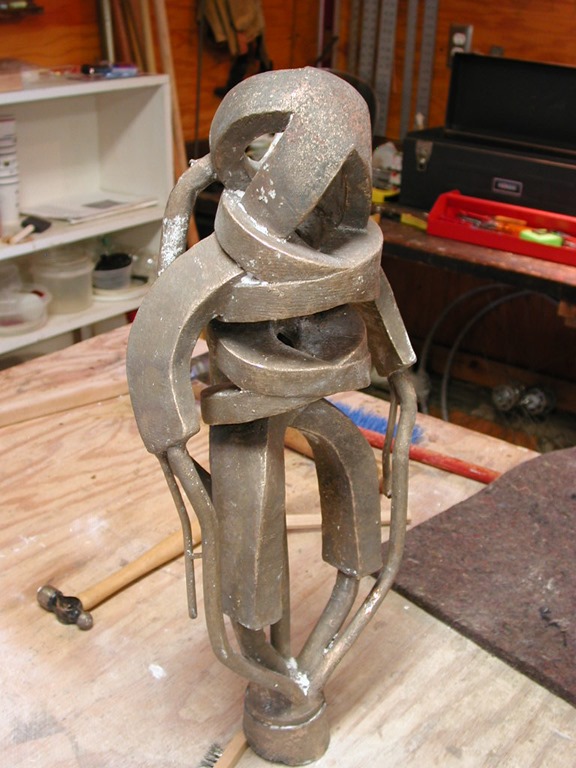
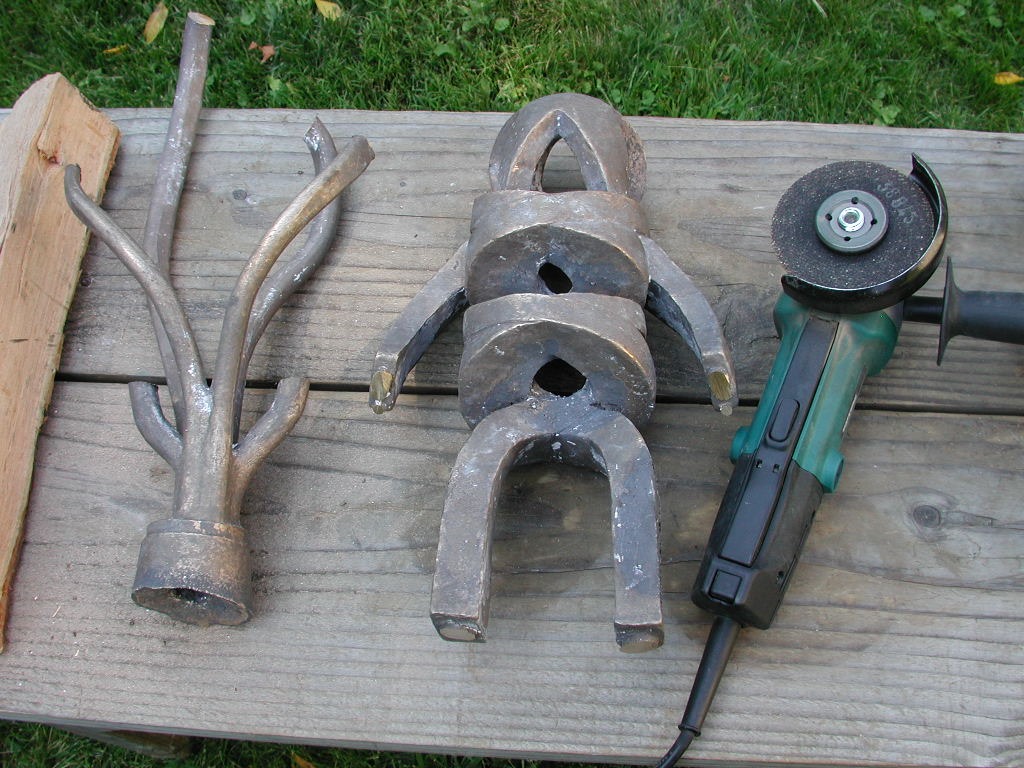
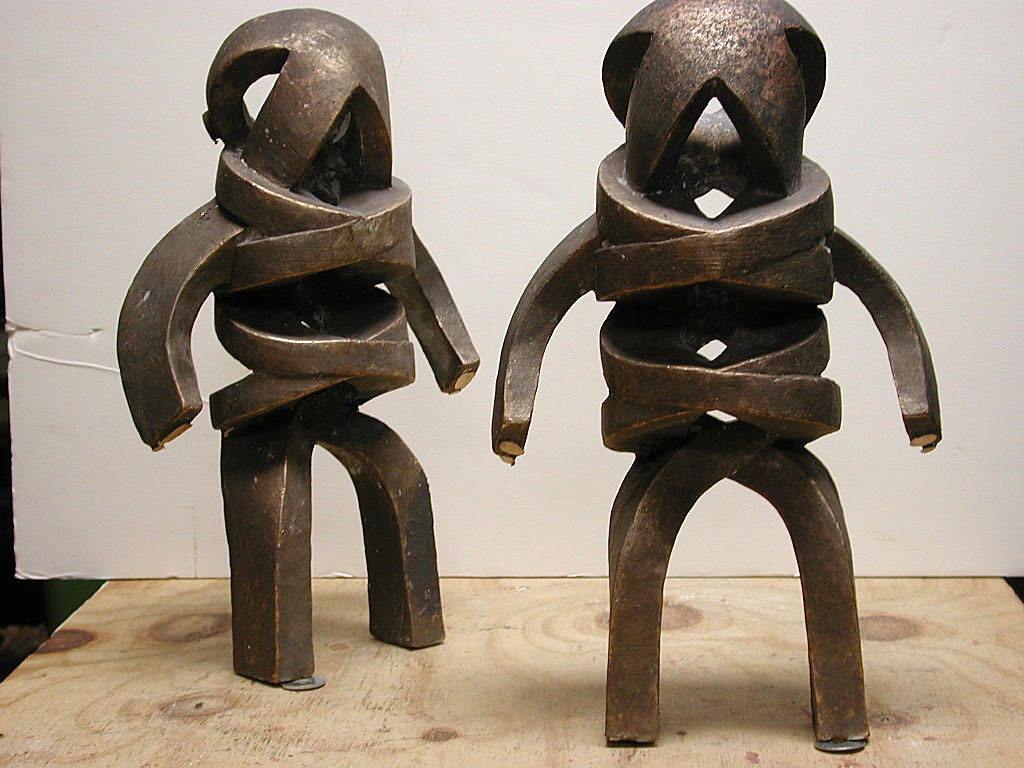
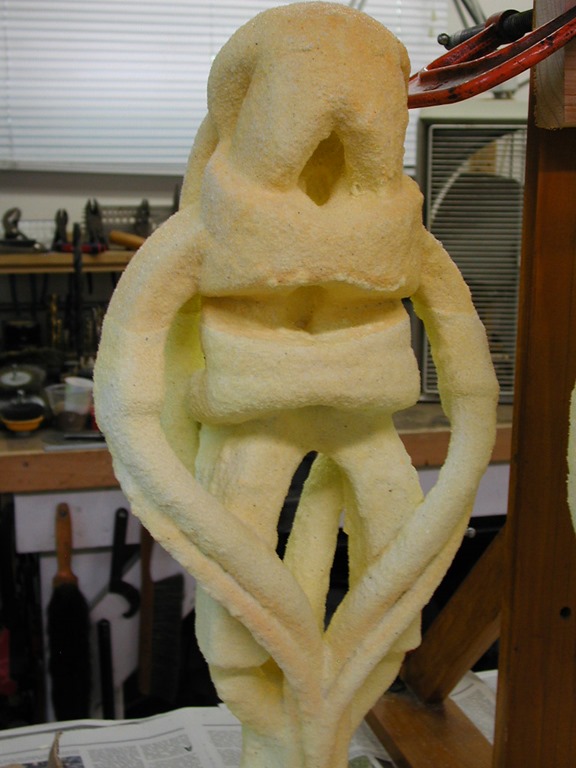
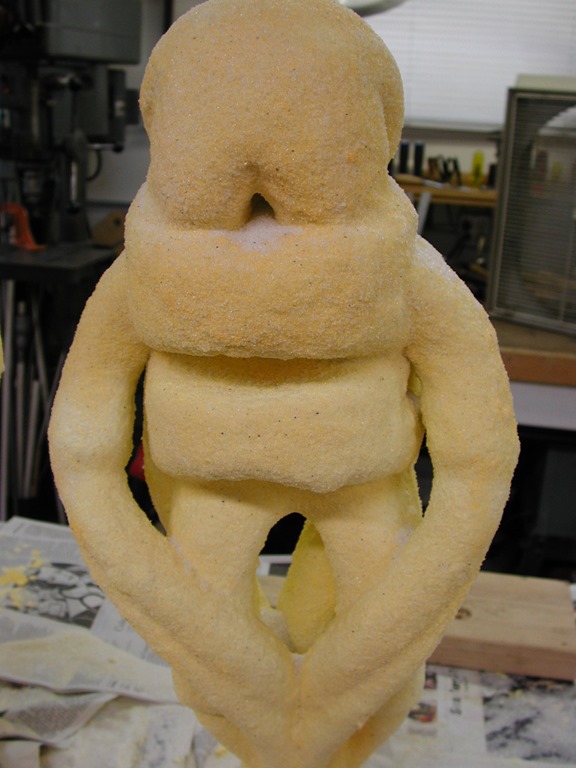
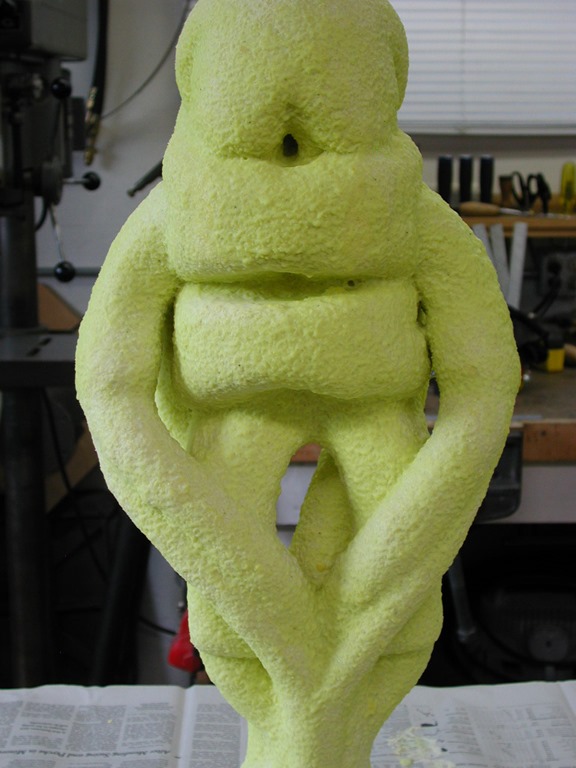
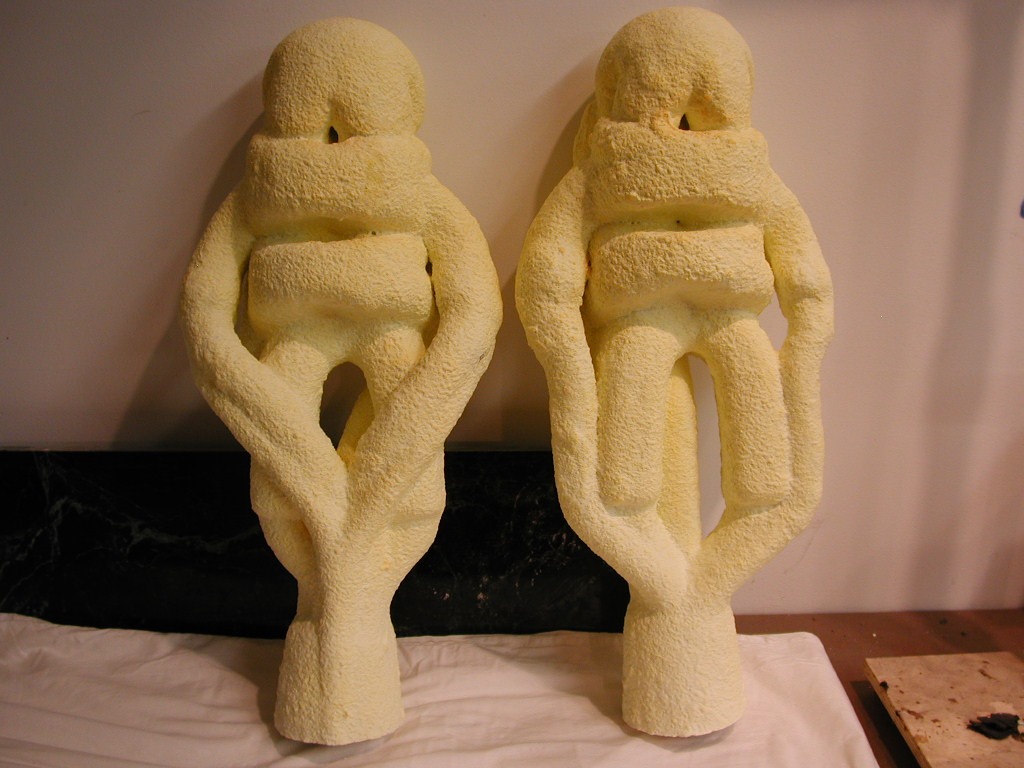
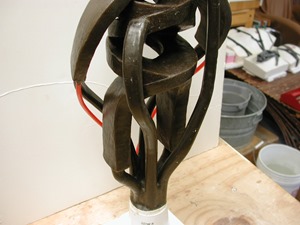
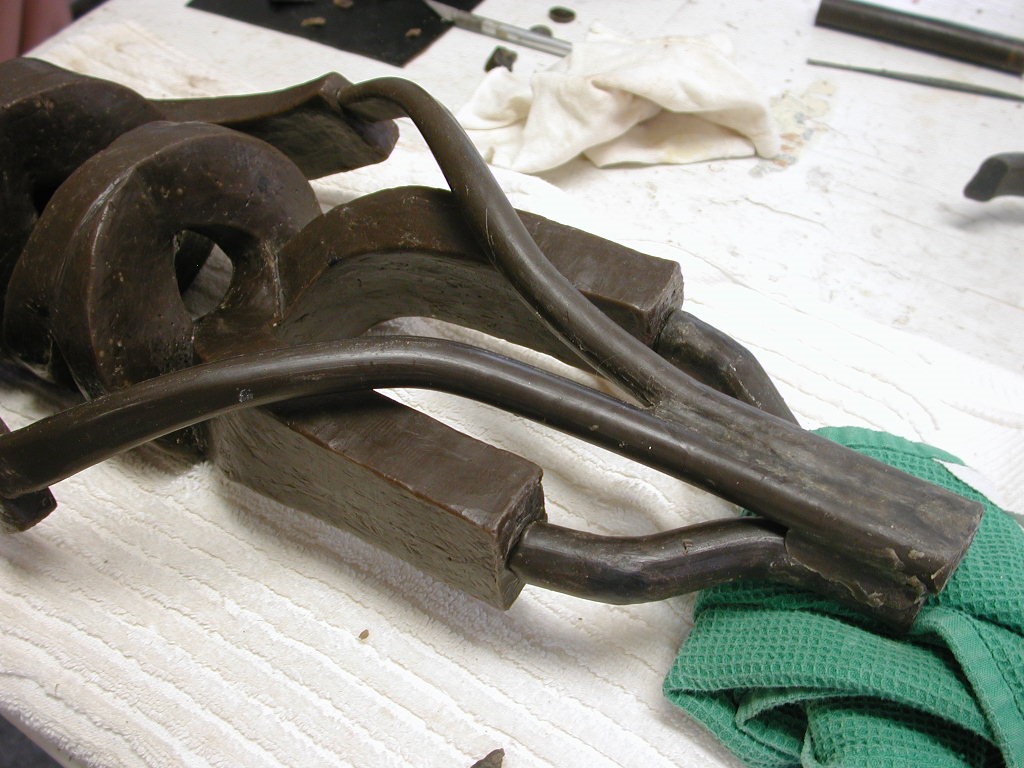
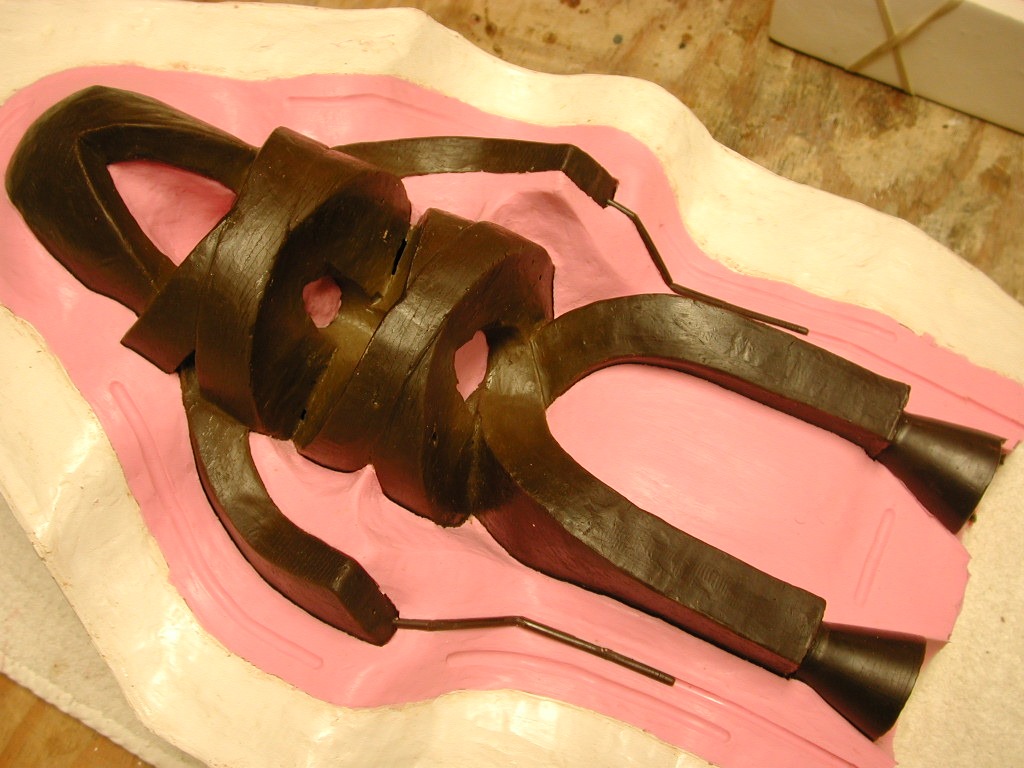
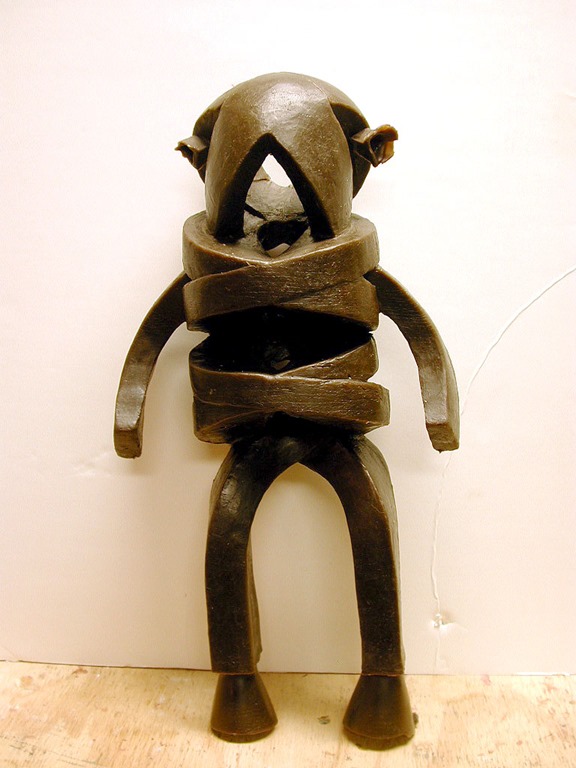
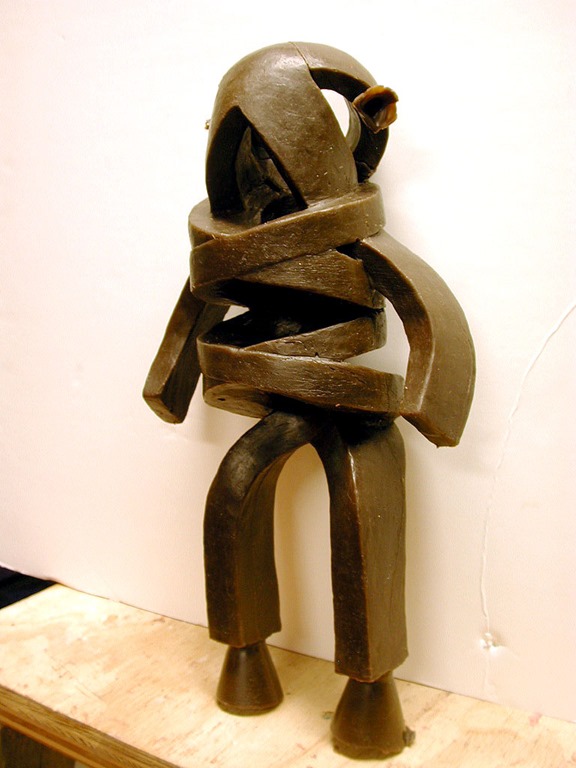
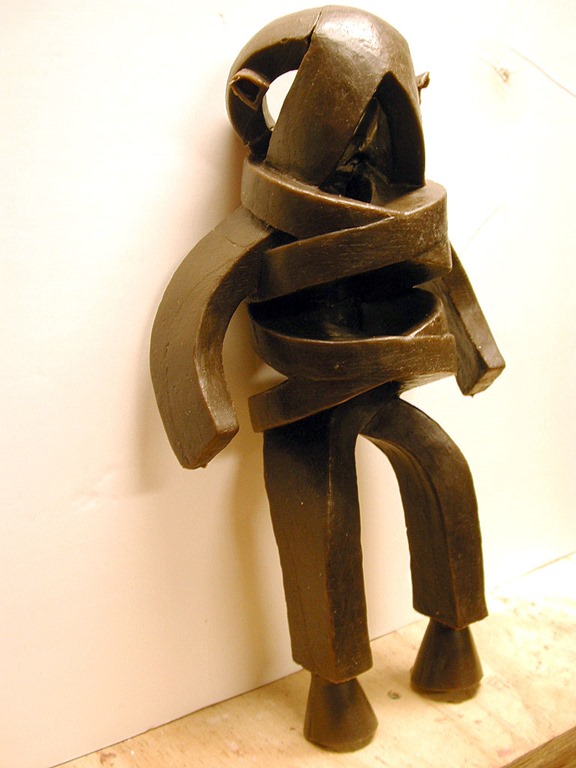
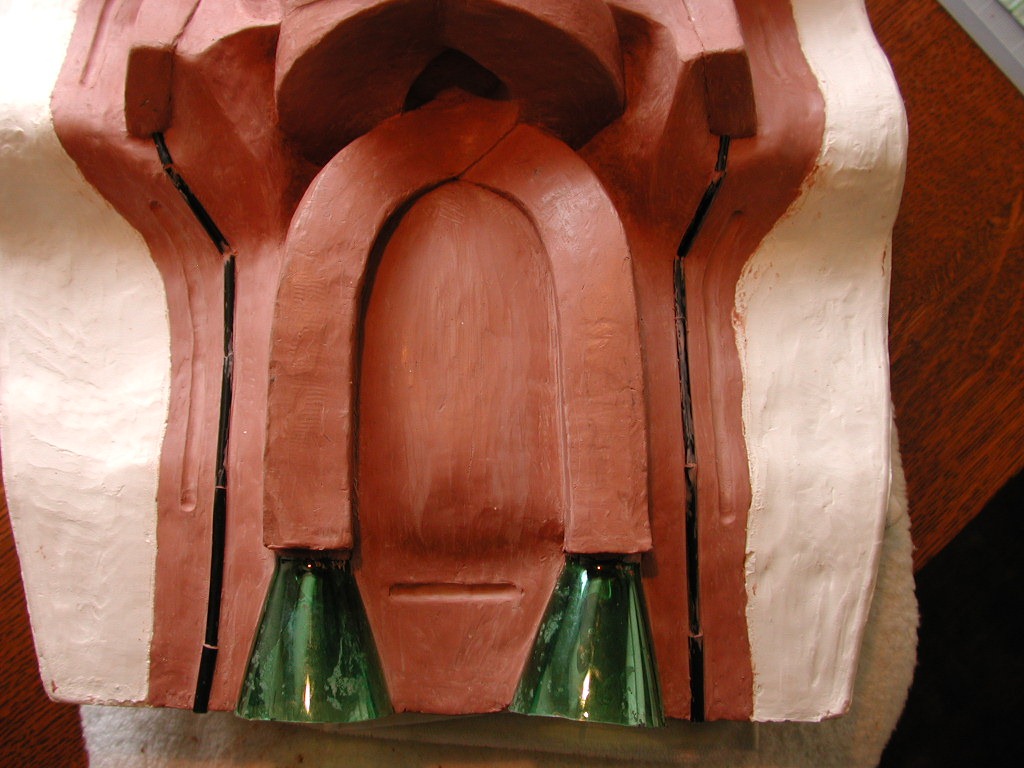
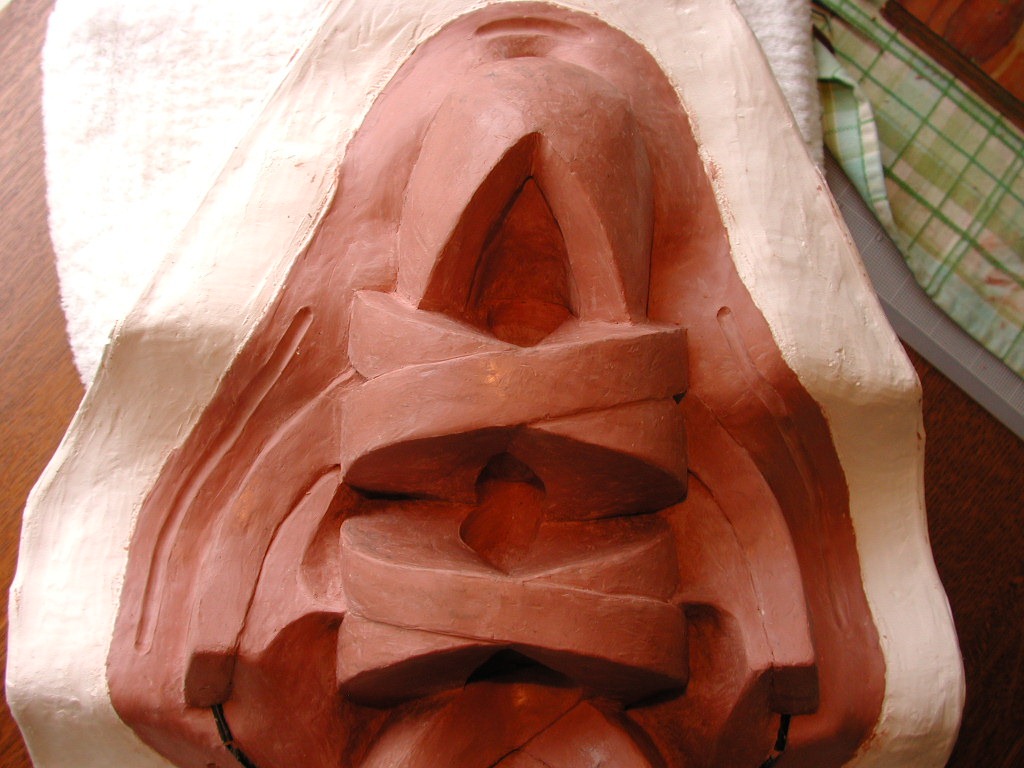
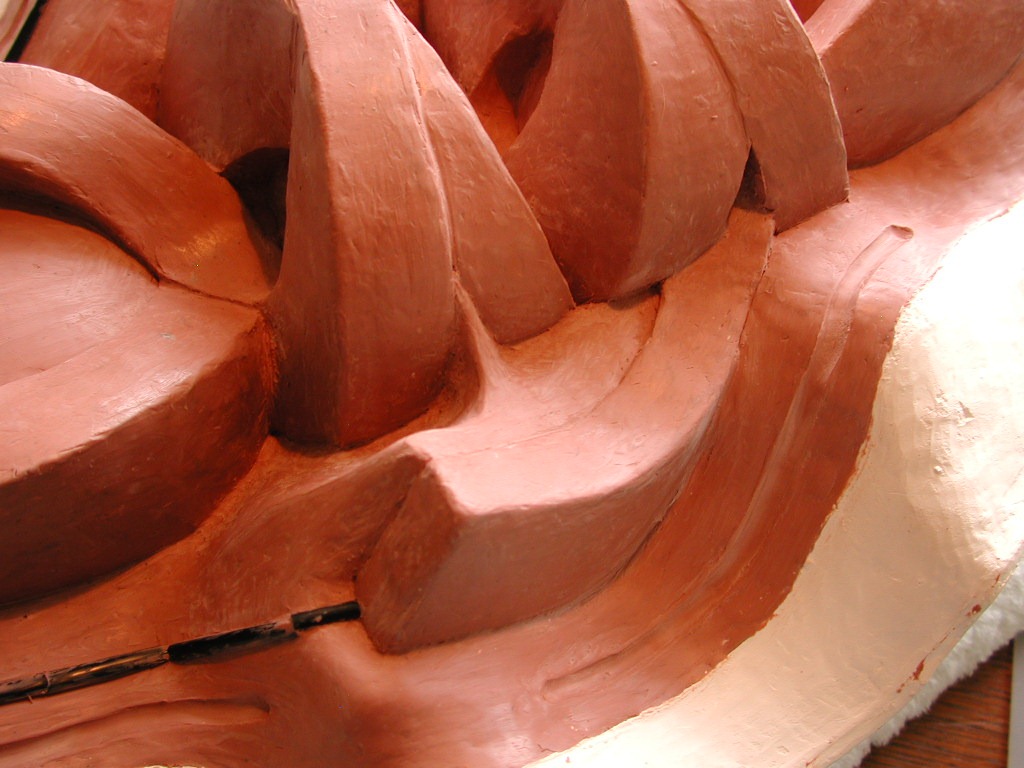
And so, I’ve arrived at the final sprued and vented wax, complete, ready to encase in ceramic slurry and sand, the next step of preparation for the pouring of bronze.

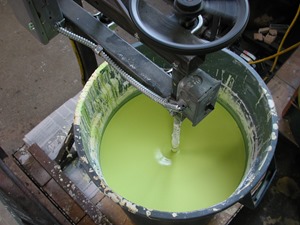
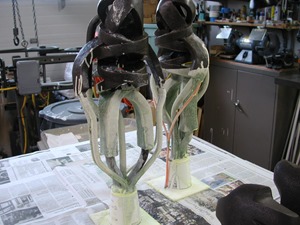
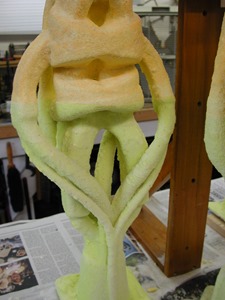
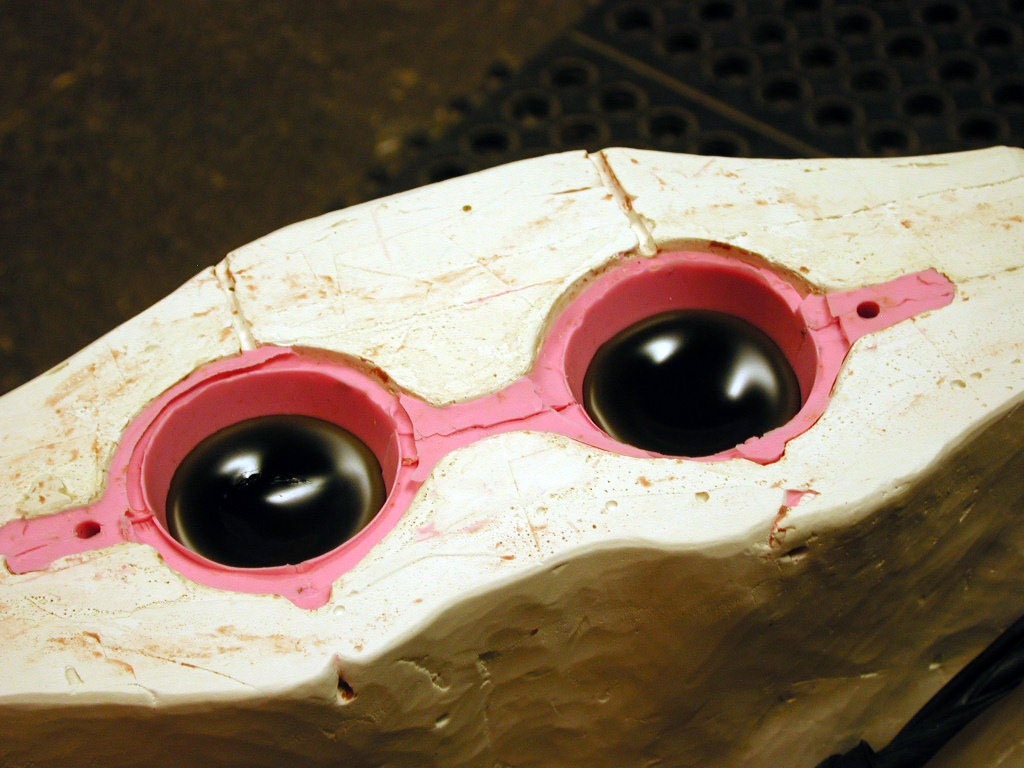
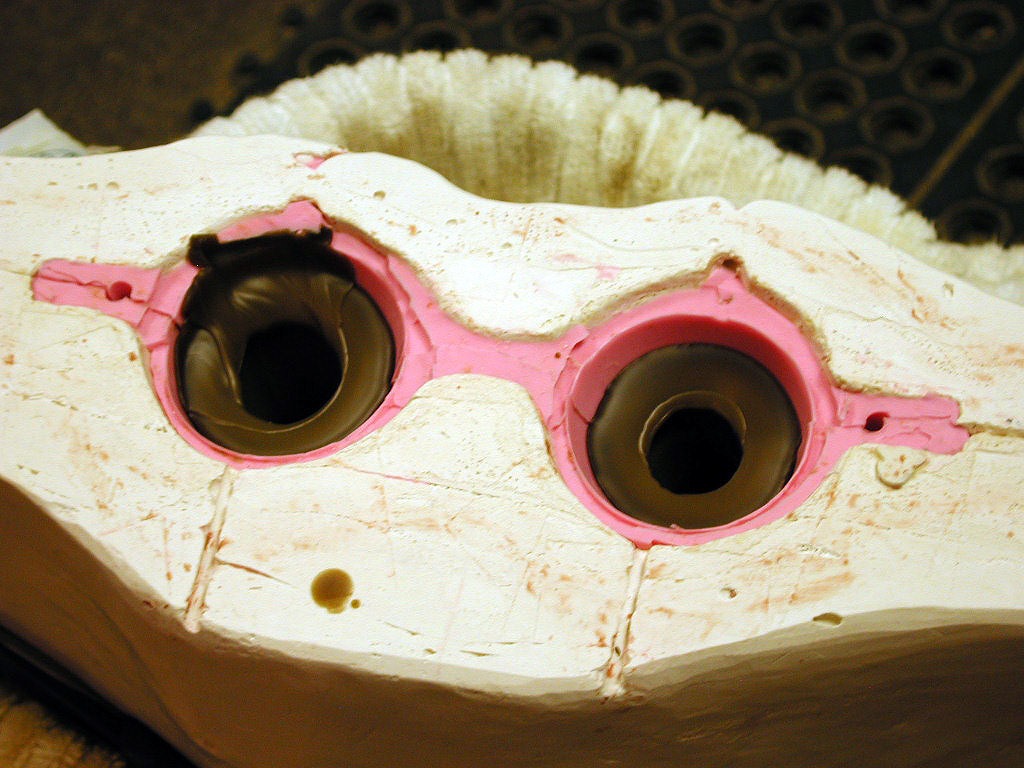
a_spruesystem2ceramicshellb_spruesystem2ceramicshellc_spruesystem2ceramicshelld_spruesystem2ceramicshell

These are the materials which make the shell. Colloidal silica slurry mix, and refractory silica sand. You dip the piece into the slurry, and sieve the sand onto the wet surface. Repeat up to eight or twelve layers. This work is taking place at “H”’s studio foundry, a place well-equipped for this. I’d not be able to do any of this without his generosity in sharing with me his superb facility, and his supportive help and advice. (Thanks)

e_spruesystem2ceramicshellf_spruesystem2ceramicshell

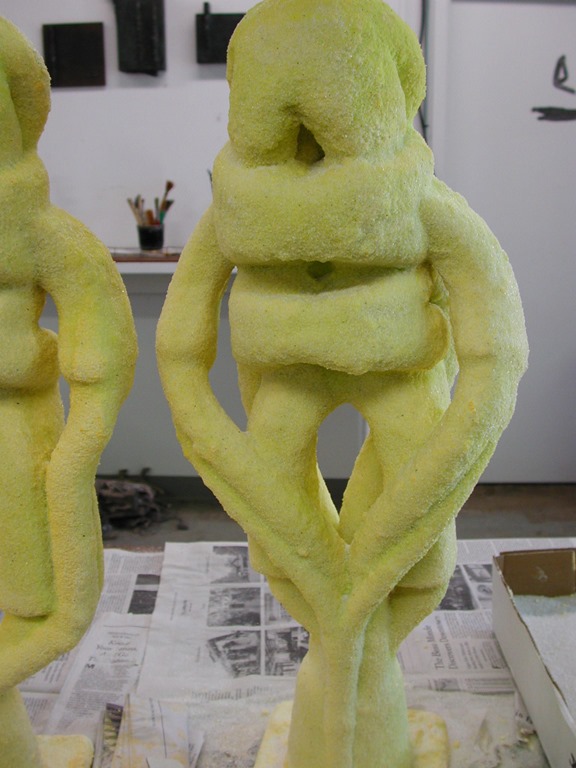
I’m doing half the piece at a time since it is large enough to not fit in the bucket of slurry at once. It has been very warm here this past week, 90+ degrees, and as strong as I’ve tried to make the sprue system, the piece is moving and settling a bit. I want to get this solid shell going on it as fast as possible. There is a lot of difference in the way the wax behaves between 70 and 95 degrees. The first and later layers – green when wet and orange when dry. I’d rather be doing this in Winter, but I’m committed.
g_spruesystem2ceramicshellh_spruesystem2ceramicshelli_spruesystem2ceramicshell

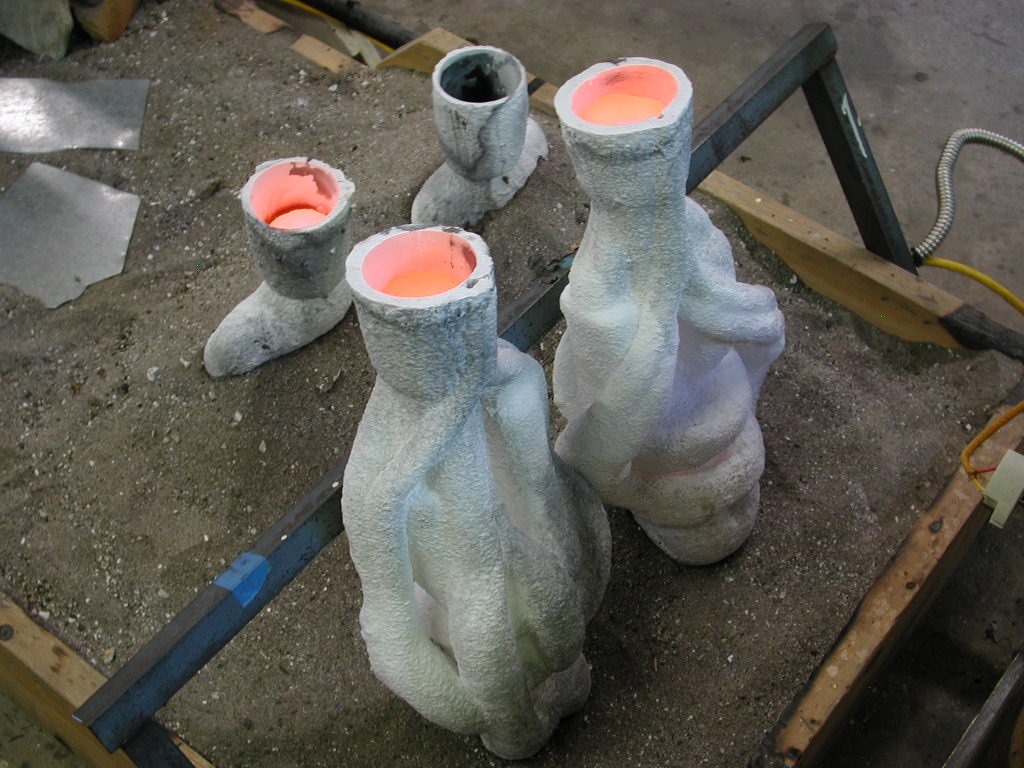
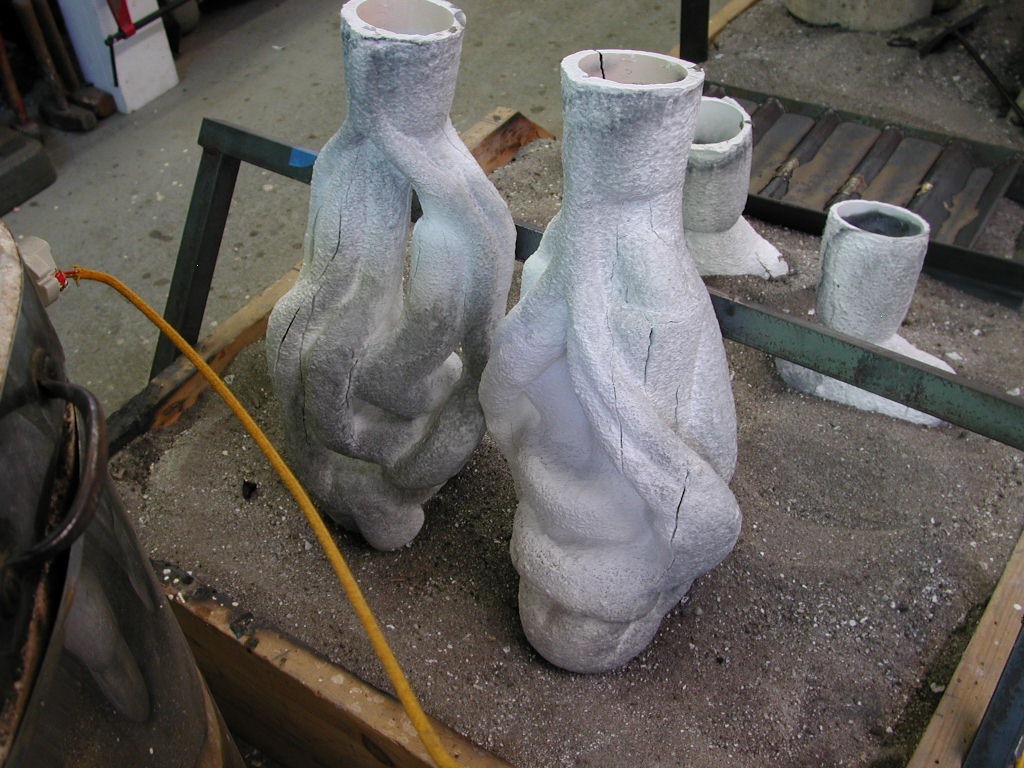
This is maybe three layers. many more to go, until it is solid enough to support the weight of the bronze eventually going into it.

j_spruesystem2ceramicshellk_spruesystem2ceramicshell

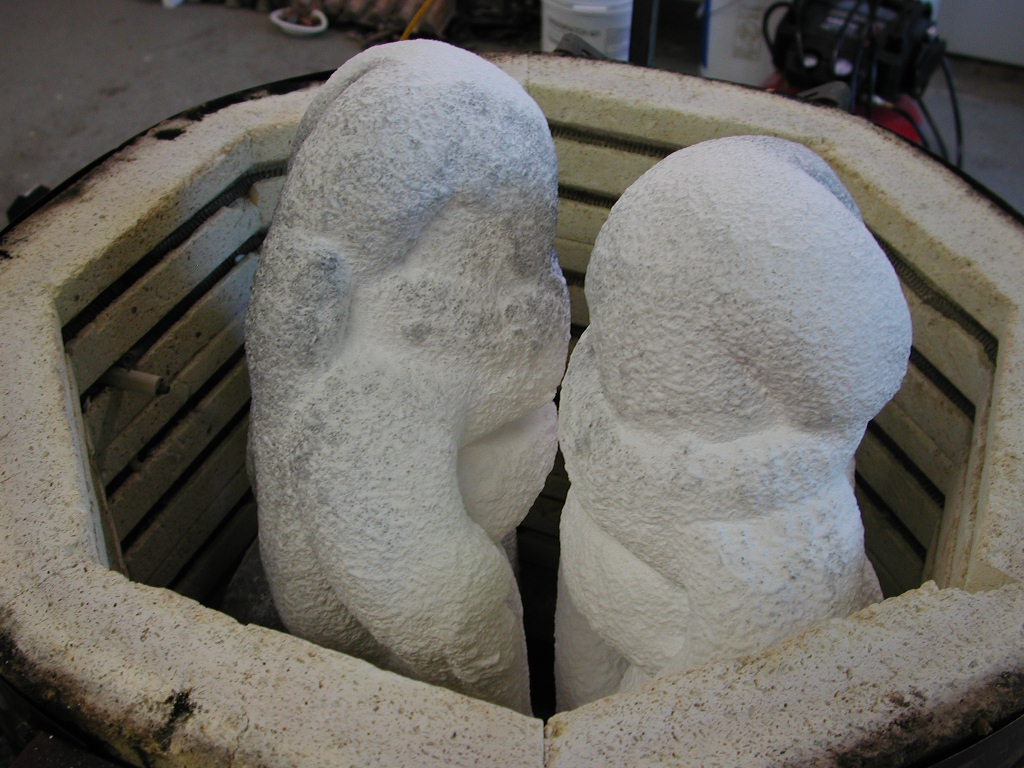
Something else I’m doing also, unfinished from a while back. beach Stone people

l_spruesystem2ceramicshell

Is this taking a long time? (I did go to the beach for 10 days). It was a year ago tomorrow since I completed the model for this sculpture, but for details.

A year.

Sprue system – part one

A sprue is the passage through which liquid material is introduced into a mold. A system of sprues is designed to deliver metal to all areas of the mold evenly and quickly. Bronze has shrinkage as it  cools; A sprue can continue to provide molten metal to the casting, provided it is large enough to retain its heat and stay liquid, as metal in the main casting cools and shrinks.

I prepared four waxes to sprue up. I may try different arrangements and discover which work best. This is especially crafty work. There are a variety of ways that this is done, superstitious and occult, and I wish there were more people to consult about it. Much of the shop talk in a foundry is on this subject.

The instinct is to start in attaching wax rods to the obvious points where the cleanup of the sprue marks on the final bronze will be easiest, and joining them up at some single location which will be the pour cup. But working this way can make a weak and fragile system. It has got to be strongly integrated with the sculpture, and really there is no way that an attachment point of wax merely melted together will hold the weight of the sprue system through all the handling that going to follow. No, not this:

b_spruesystem

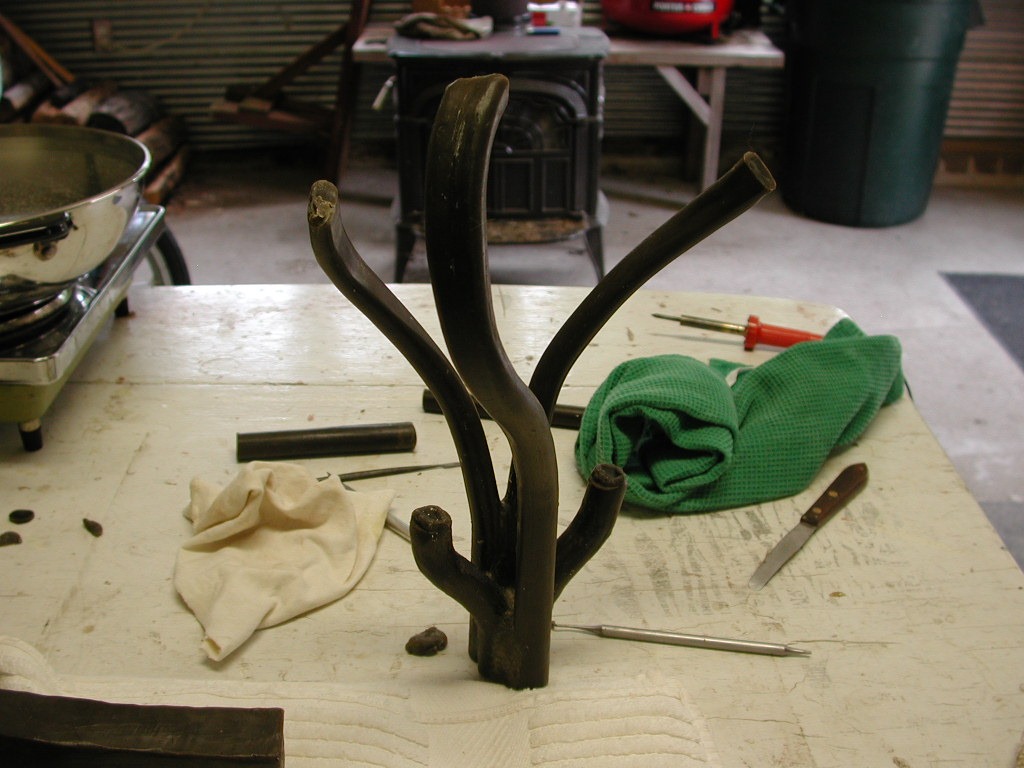
What is needed is a self supporting structure which can bear all of it’s own weight, and further lend support to the sculpture. Something like your hand securely holding onto something delicate.

x_spruesystem

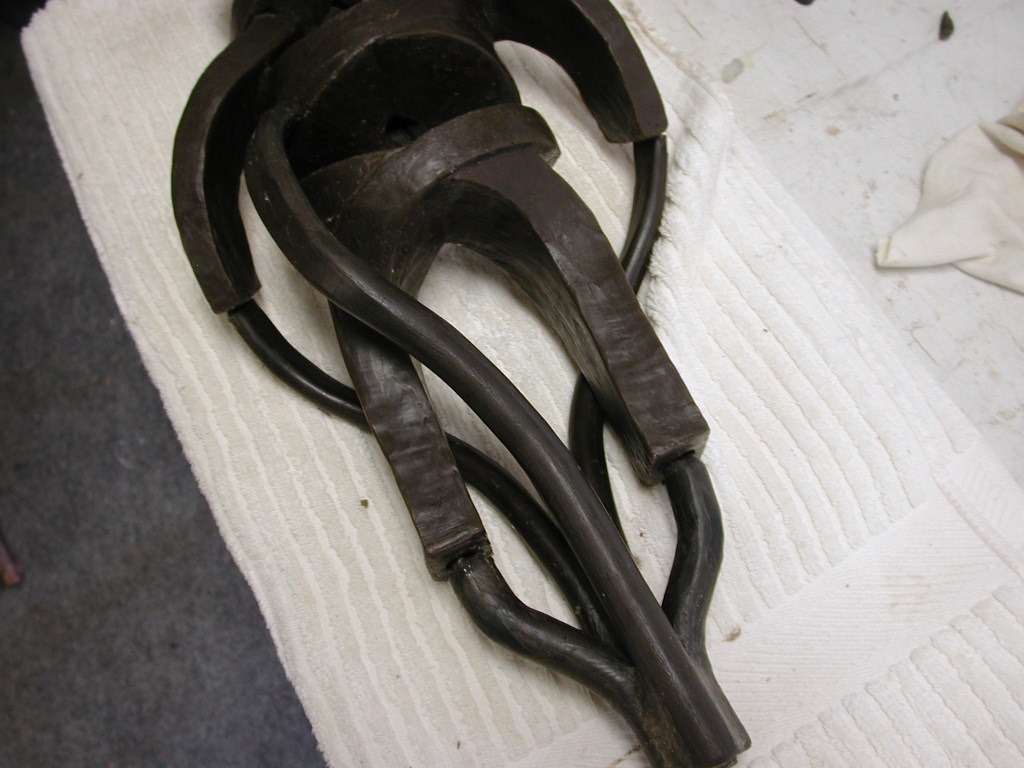
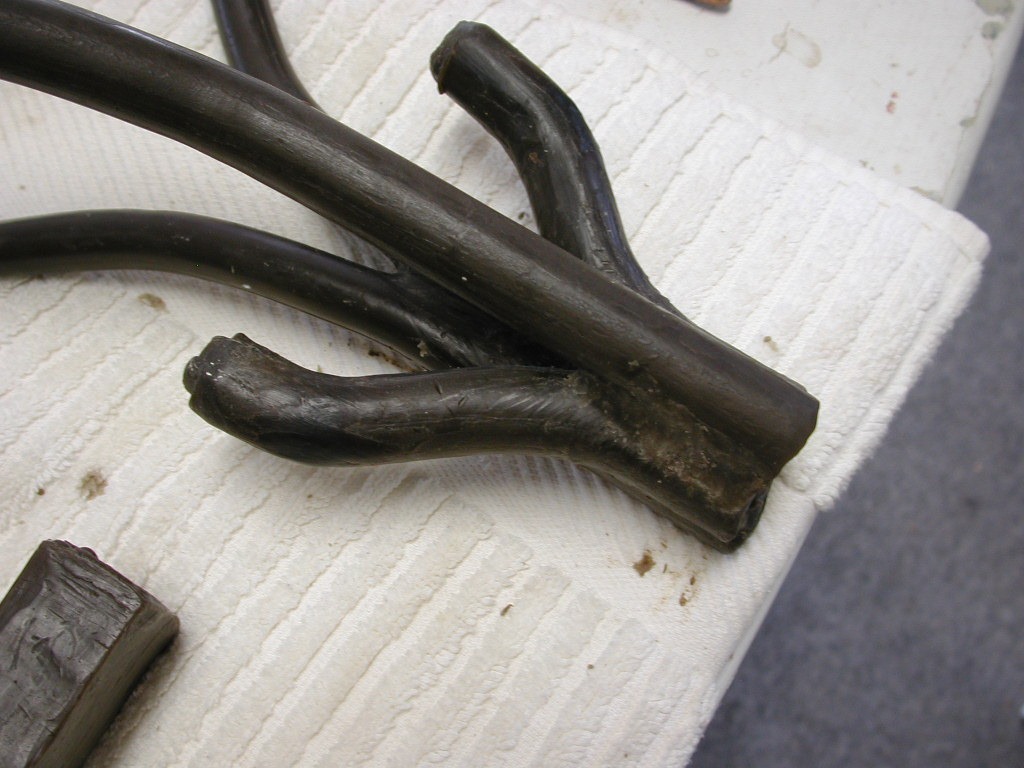
Your hand is the strong thing; the sculpture the delicate. Build something as if from the wrist, being the common point where the pour cup will be, to the hand, where the fingers are rooted from, to the fingers, which aren’t glued to the thing they hold, but hold/grasp onto it by virtue of their placement alone. Like this:

m_spruesystem

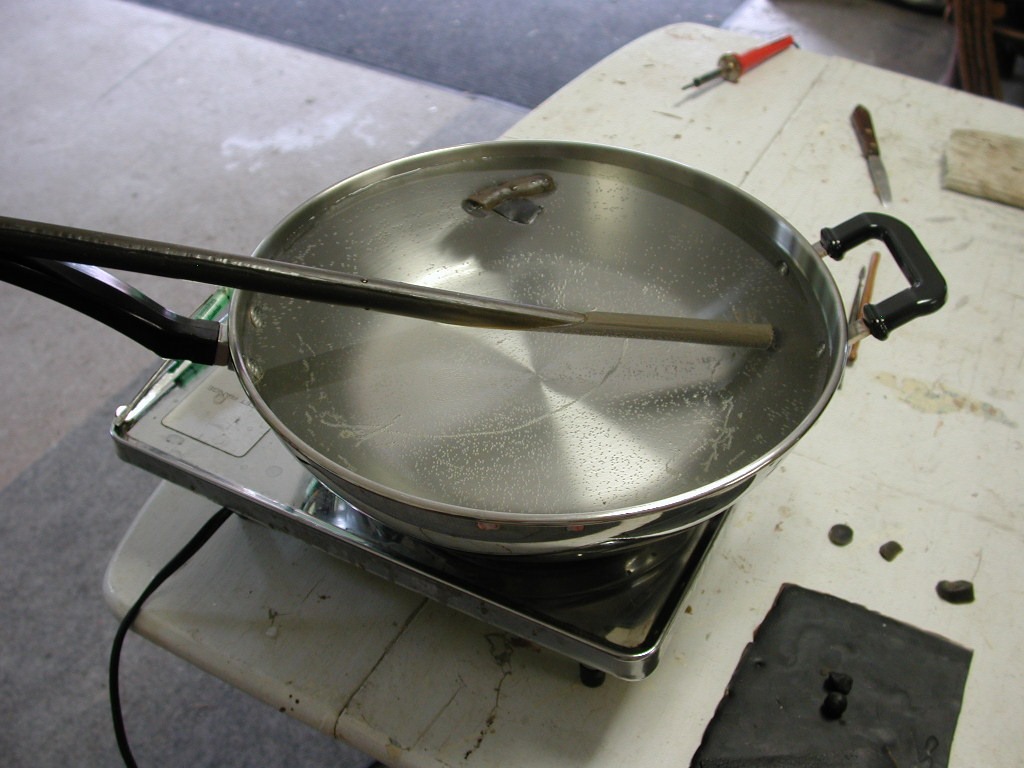
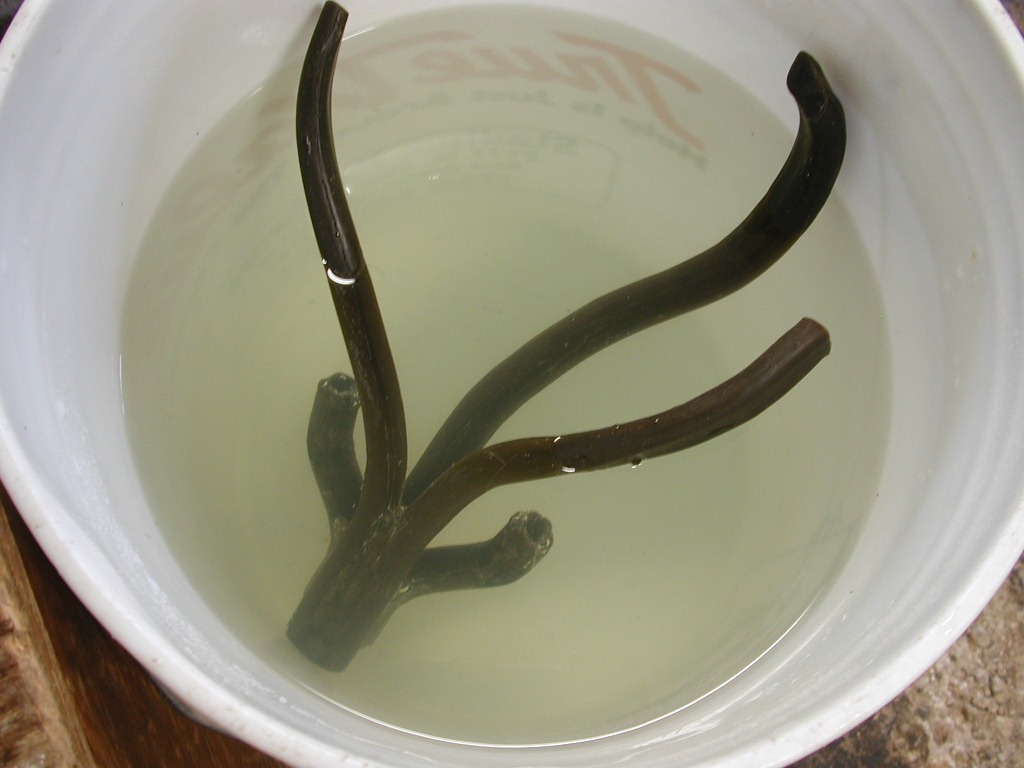
Here’s how. Warm up a pot of water to gently warm, not melt the rods you’re using. Pliable, but not soft. This is lukewarm or body temp water.

c_spruesystem

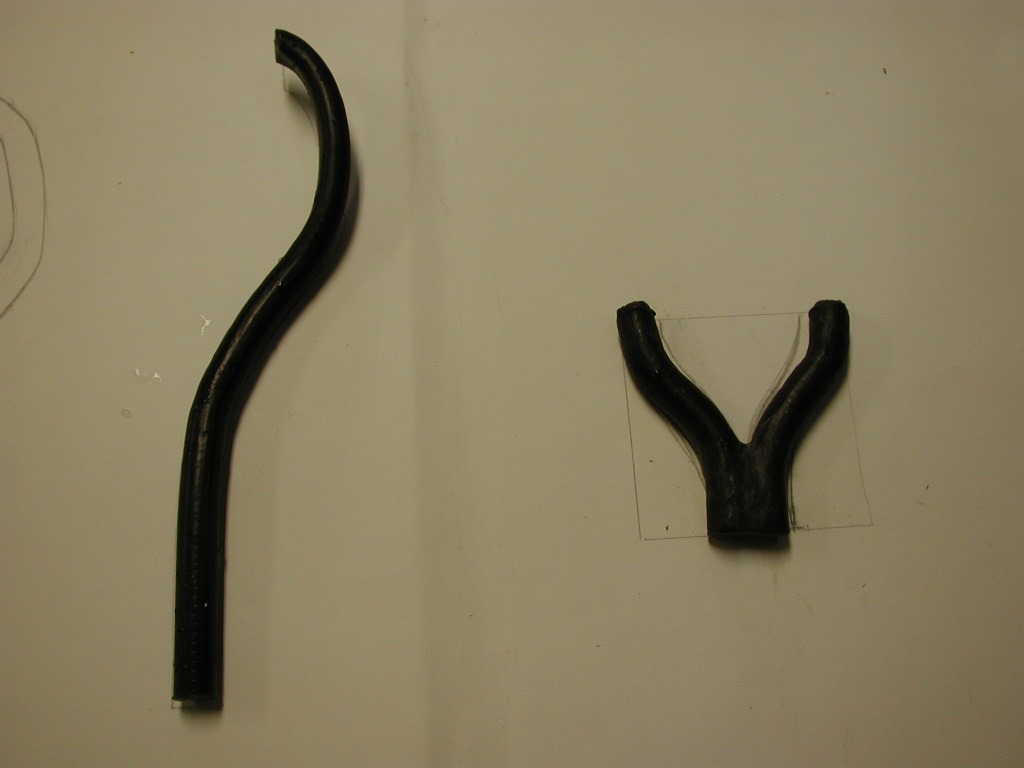
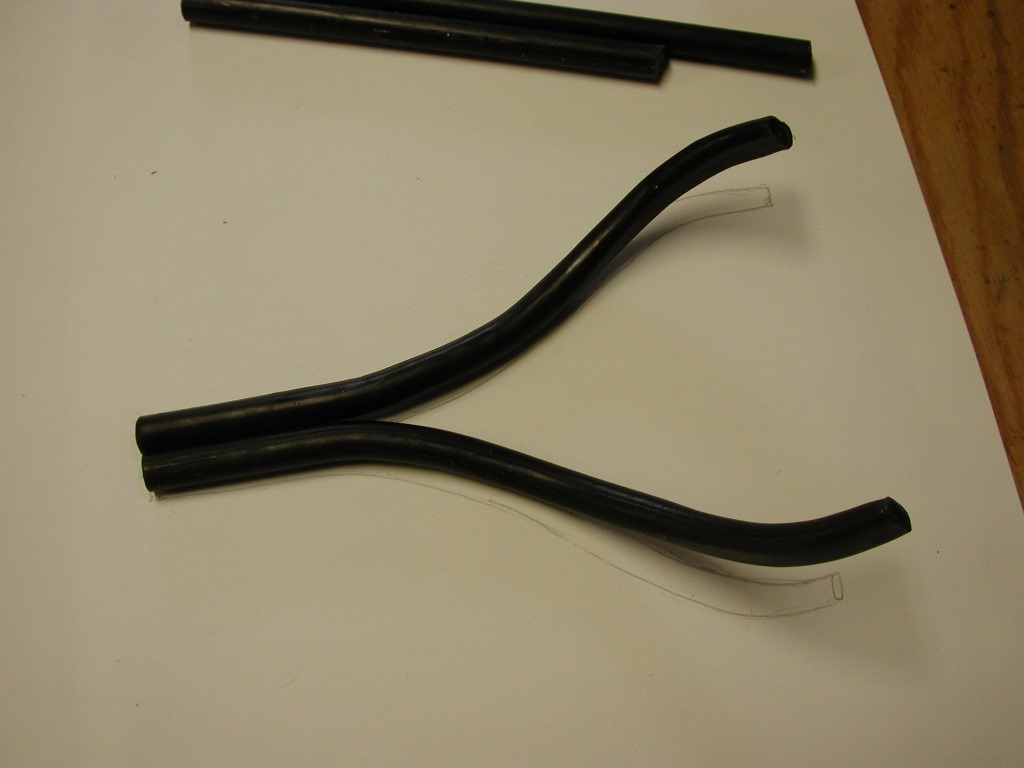
In this case I’m using the largest diameter rods I can, (to move metal into the mold fast and to be a strong structure), sometimes larger than the attachment point allows. Flattening the rod into a oval allows it to be fitted onto a smaller spot while keeping its same volume. Shape the rod to the piece, directly and without angles. The liquid metal wants a smooth path to follow, without creating turbulence.

d_spruesystem

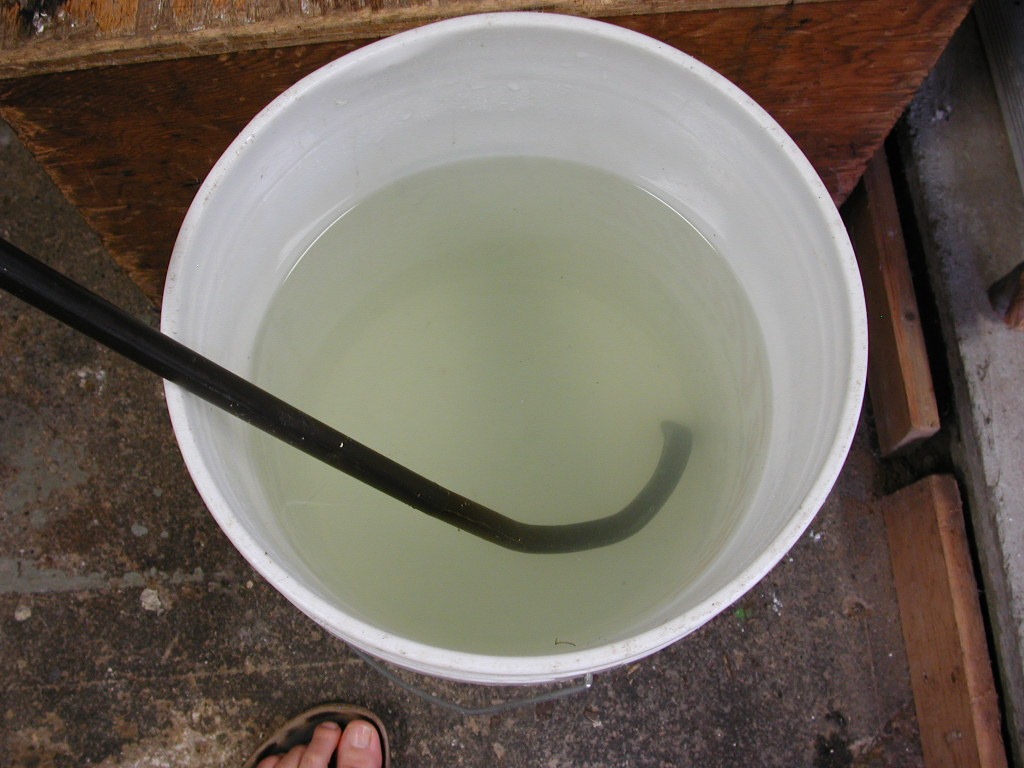
When you have it right, dunk it in cold water to hold that shape.

e_spruesystem

h_spruesystem

Your shapes good? Outline them on paper so when you do the next one you’ll have a template to follow from. Save a lot of time later, especially years or next week later, when you can’t remember anything.

f_spruesystem

g_spruesystem

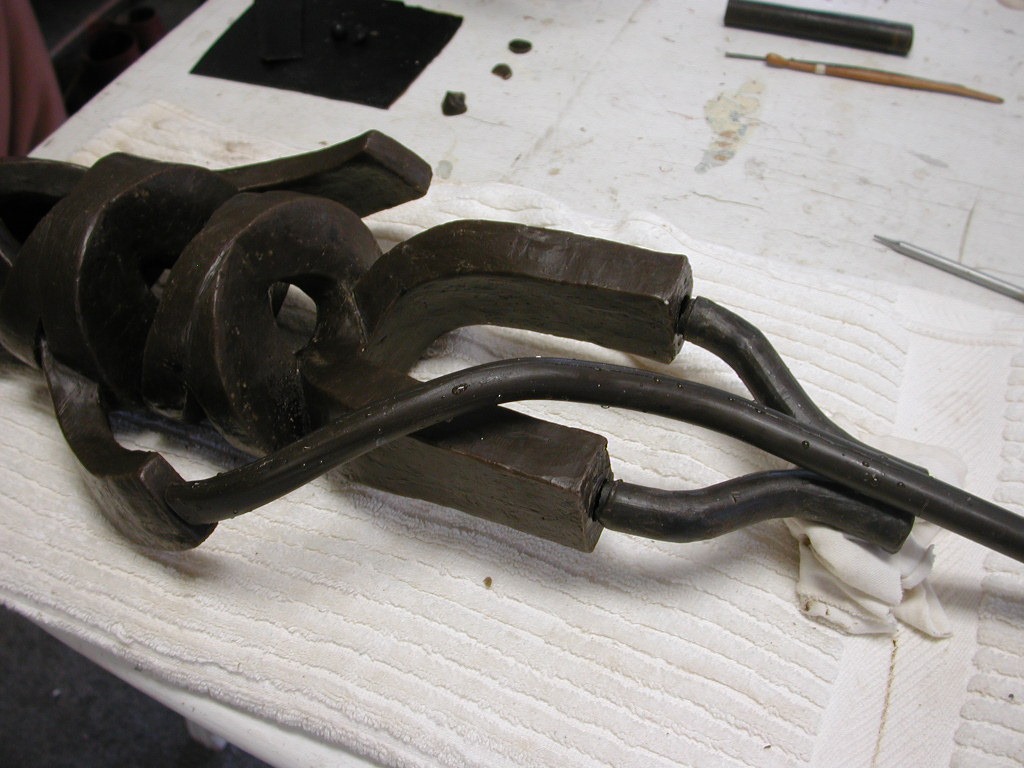
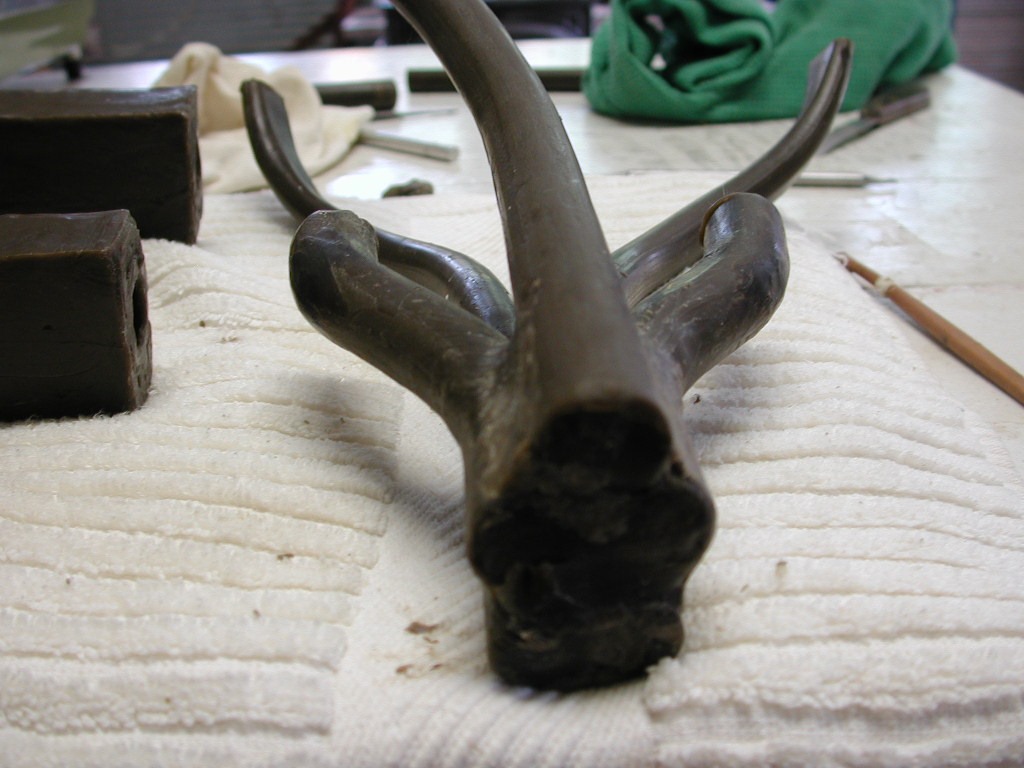
Assemble these together. Not by trying to melt then together with a soldering iron or whatever, but by taking some of the warmed-up wax you have and really shaping a physical joint that makes them one piece. This is sculpture in itself. Isn’t everything?

i_spruesystem

k_spruesystem

j_spruesystem

Cool this assembled sprue system in water. It should be strong enough to stand on it own, and then some. Wrist, hand, fingers.

n_spruesystem

l_spruesystem

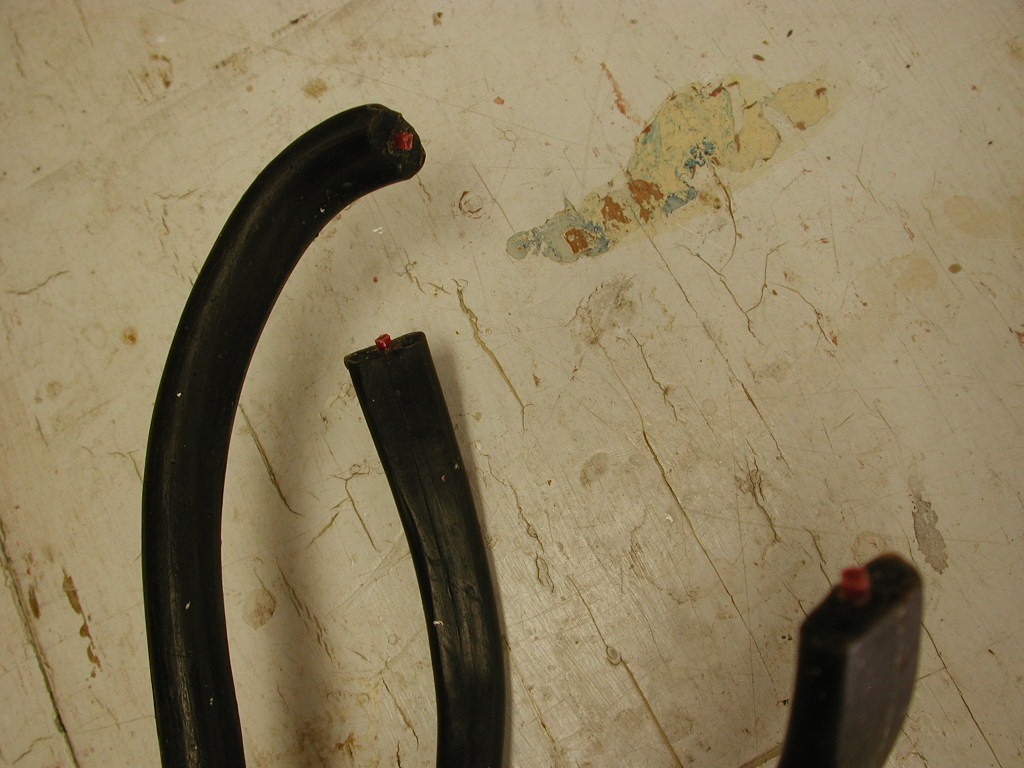
This super-strong thing will then be integrated with the sculpture. A hint: those connection points will always be weak points of attachment. I enhance them with small pegs I make by cutting a small wax rod to size and inserting it into a melted hole I made with a soldering iron. Later I will melt another such hole into the piece and the rod (it just happens to be red wax) will support the connection much better.

o_spruesystem

Sloppy

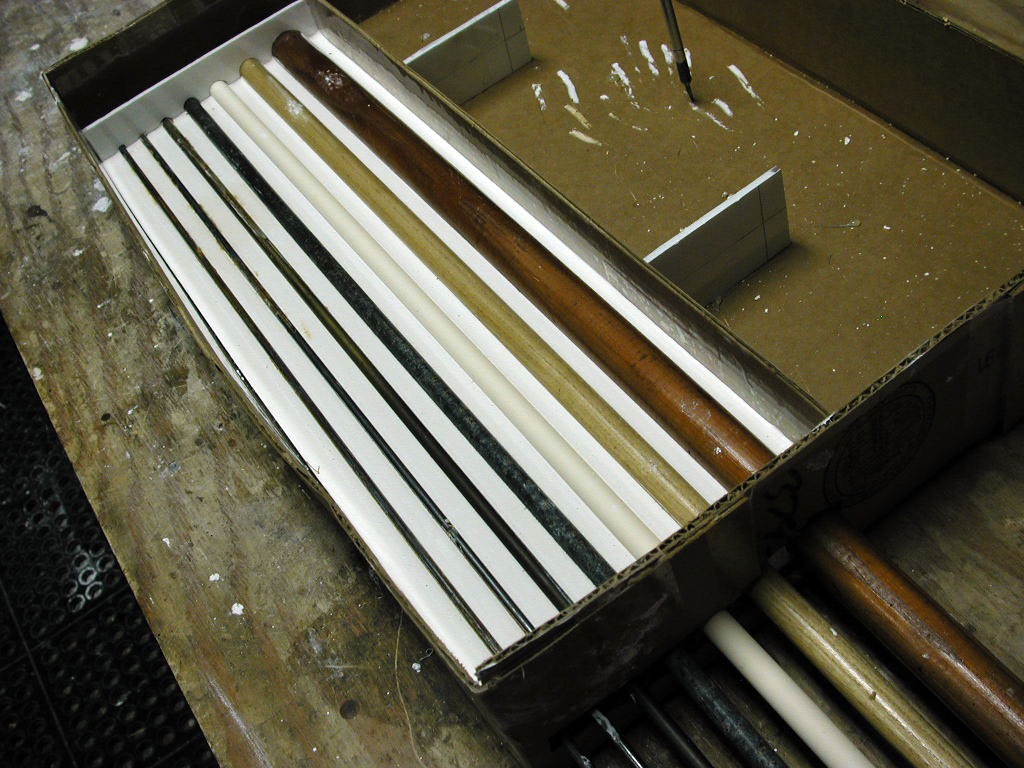
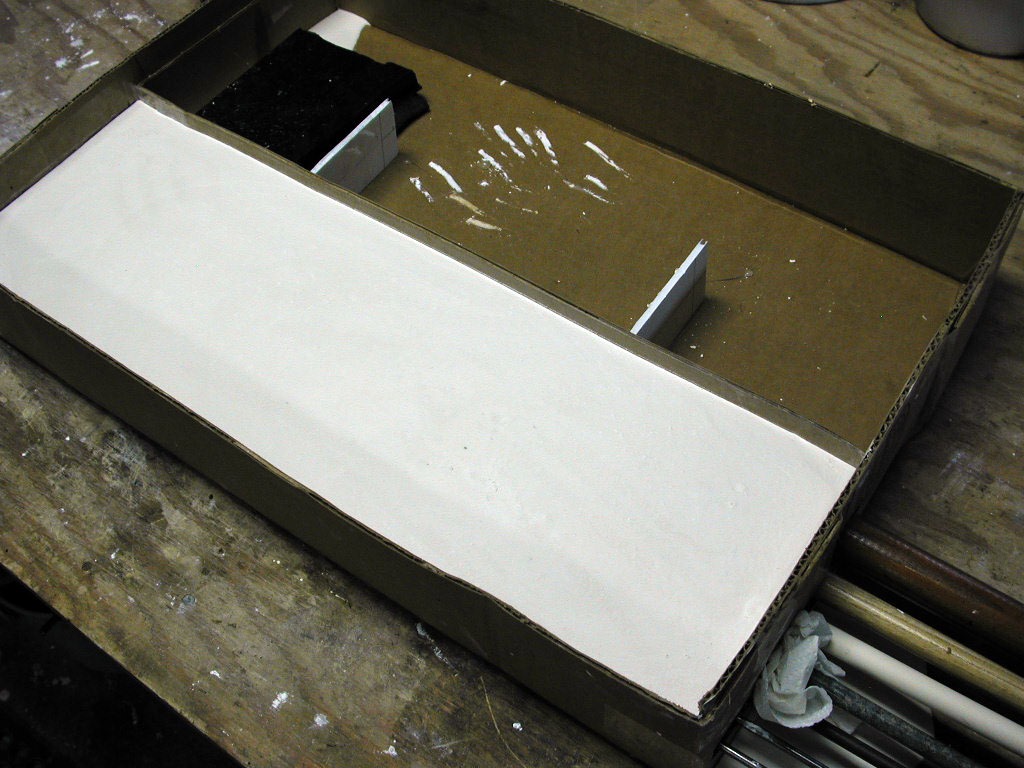
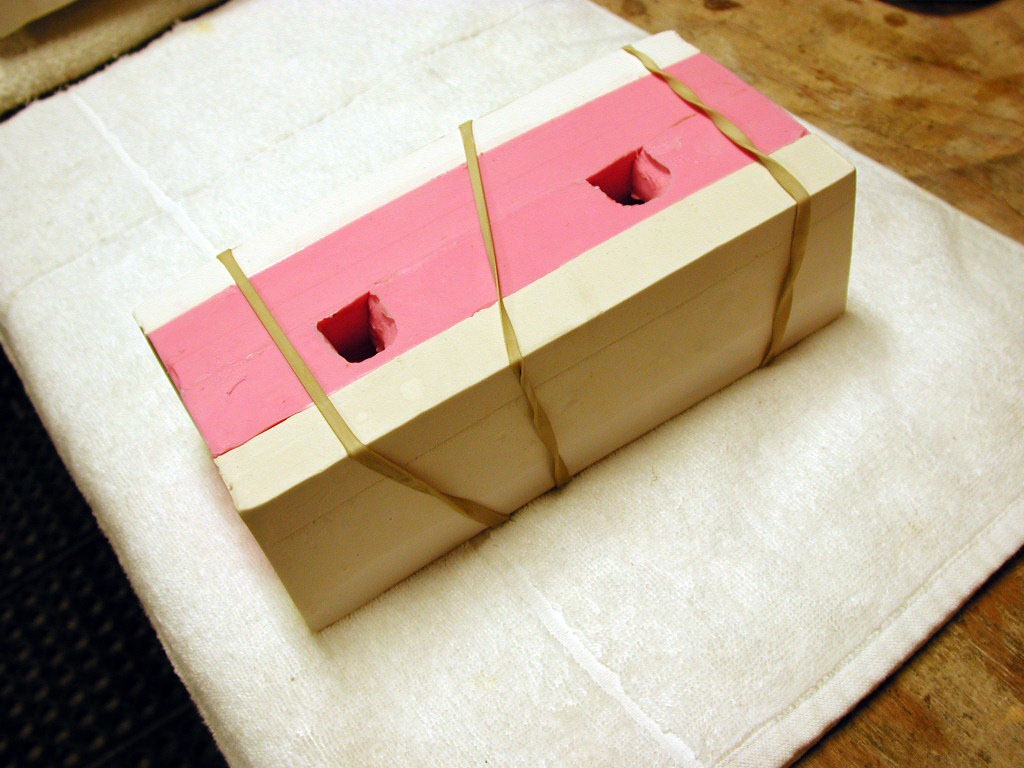
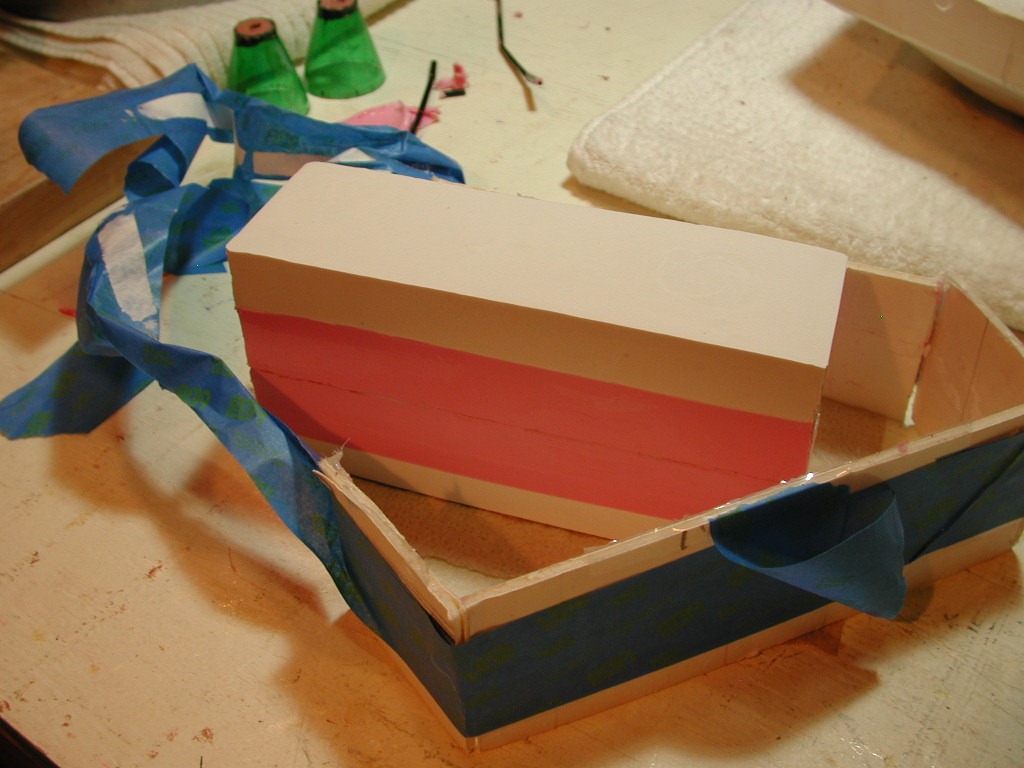
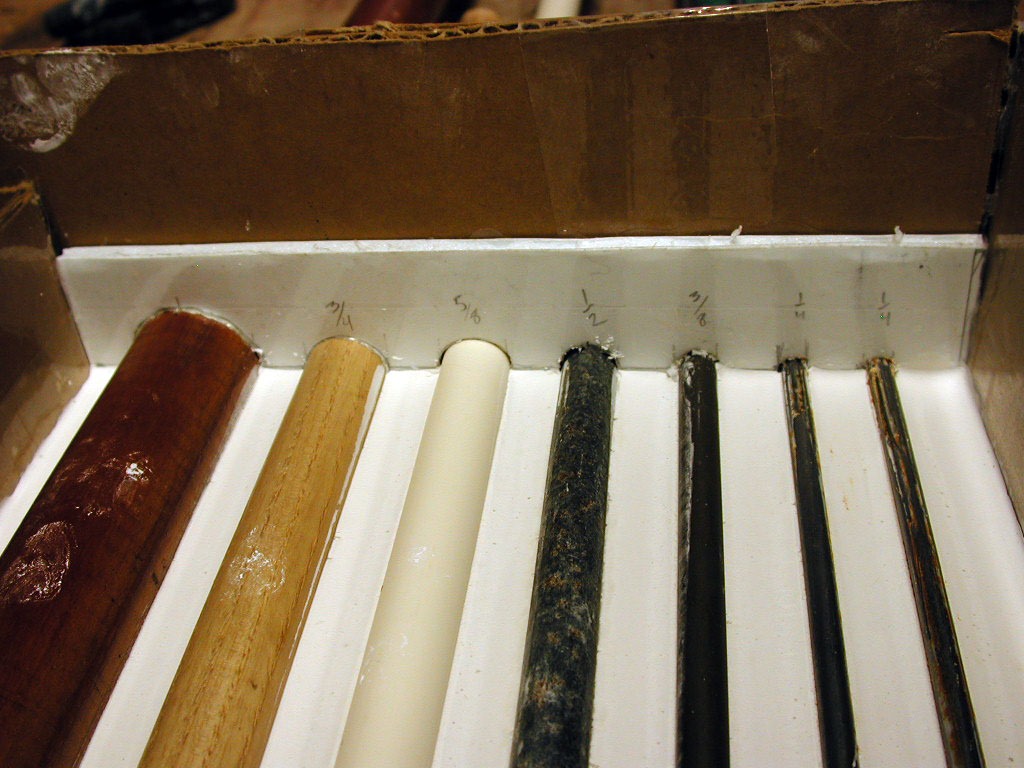
It’s not all precision and detail here at DG International Studio. I can do sloppy work too, when I want. I need some wax rods to use for sprues in getting these waxes ready to pour bronze into, so I’m going to make a plaster mold to pour my own instead of finding someplace to buy them. I fit a cardboard box with some brackets to hold some rods in a variety of sizes. Finding the parting line on a 1” rod isn’t too hard, but on a 1/4”, more so.

a_spruemold

b_spruemold

c_spruemold

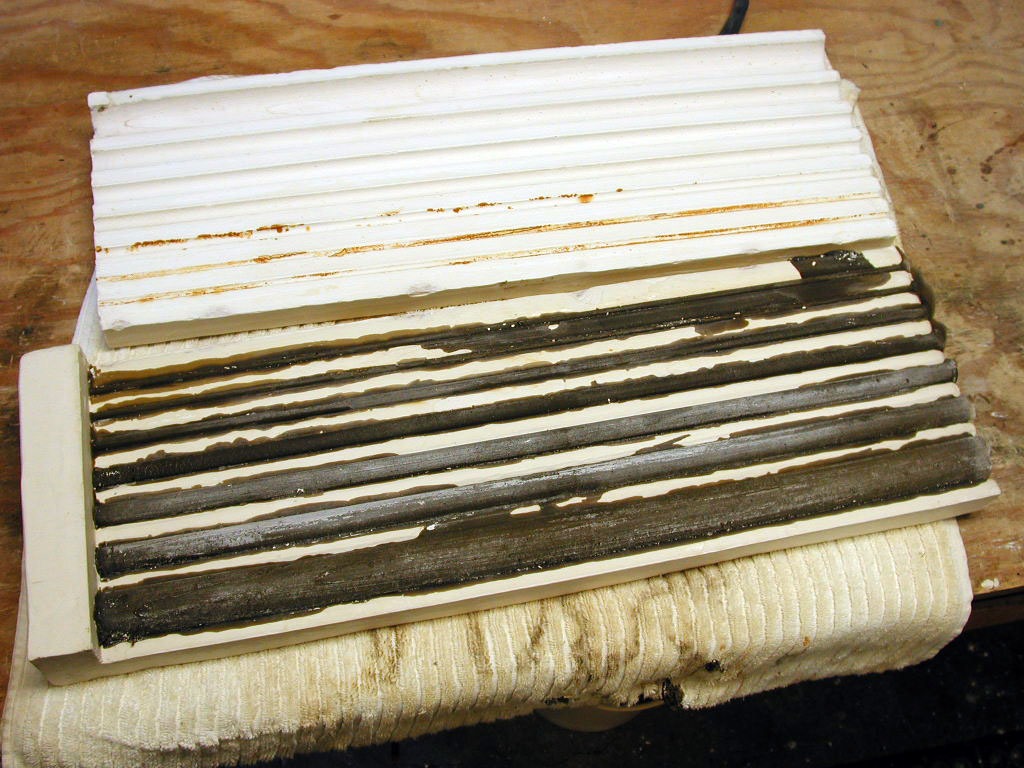
It turned out to be difficult to extract the rods from the mold cleanly, the parting lines weren’t good enough, and I broke off a lot of the detail around and between each of the smaller rods especially, so the wax casts aren’t very neat.

d_spruemold

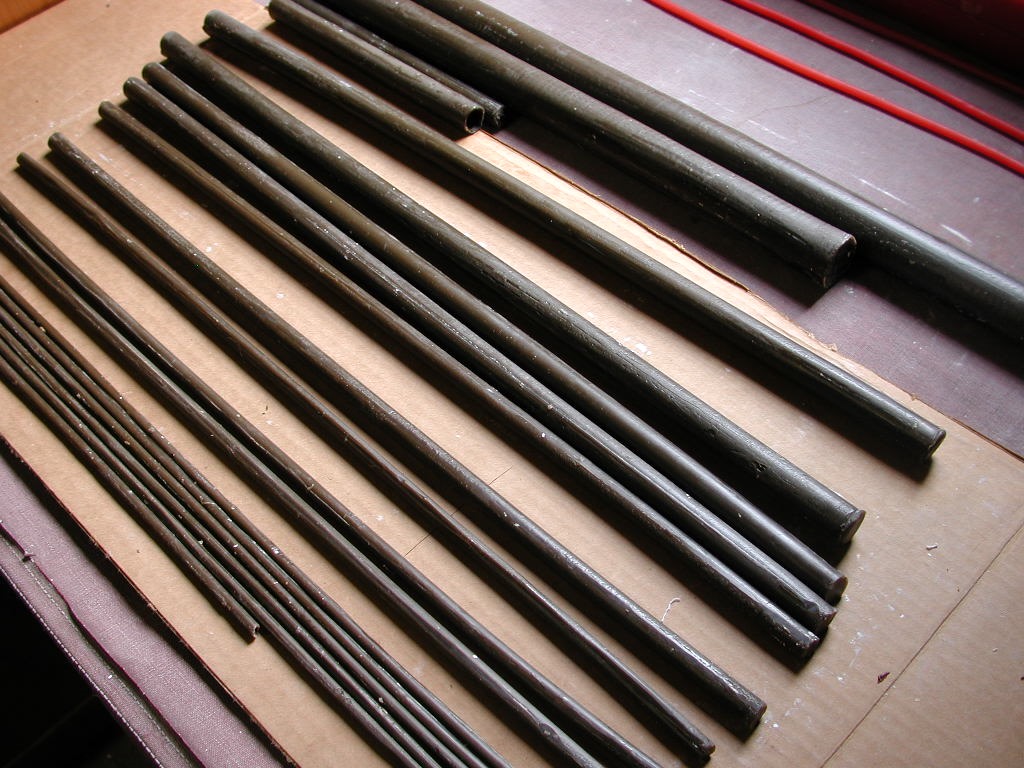
I use a knife and trim off each one neatly into a cylinder. Takes a few minutes each, but in a weekend I made a mold which gets me several sets of rods in assorted sizes, and if I’d done it properly, with a rubber mold, I still be working on the mold today, instead of sprueing the wax models already.

e_spruemold

But typical of me, I just can’t leave it alone. Someday, I have a plan to make a rubber inner mold using these two plaster halves.

Wax cast proof

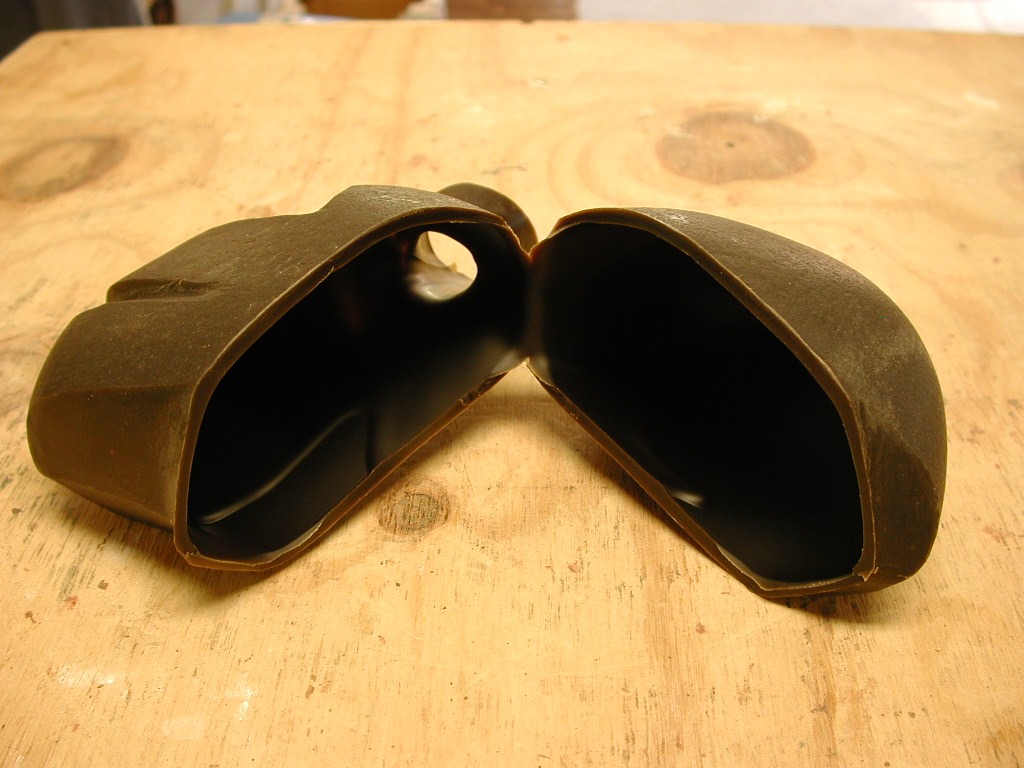
Casting a wax proof from the mold that is free of defects begins the process of making a bronze casting. Ideally, the wax cast is not solid, it is wasteful, and I have had problems with the wax expanding the eventual ceramic shell mold in the burn-out  kiln, cracking it. (ceramic shell investment casting) What I want is like this, another piece I’ve been working recently.

a_waxcastproof

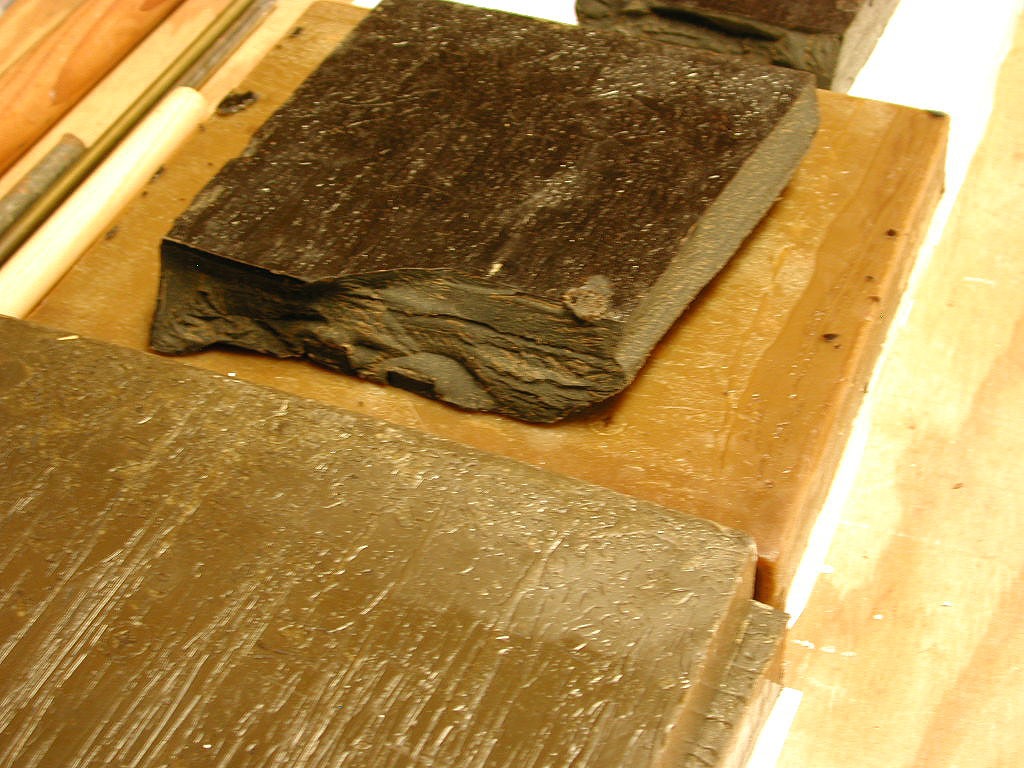
This is Victory brown sculptor’s wax. Usually dark brown, but in other off-colors lately from my supplier, which is annoying. It comes in ten pound slabs,

e_waxcastproof

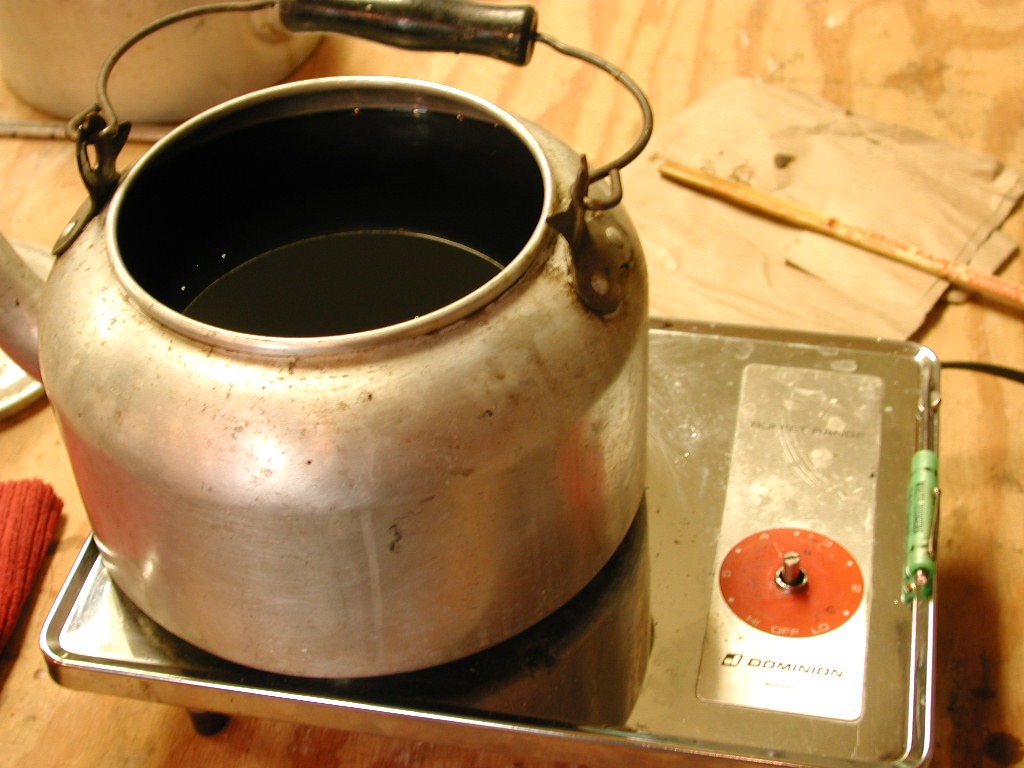
which I melt down in this kettle, enough to fill the mold fully.

c_waxcastproof

The idea is to fill the mold, allow it to cool briefly, and pour out the excess, leaving a hollow form with walls about 1/4 inch thick. The trick is to get the wax to the right temperature; too hot, and the walls won’t cool enough, be too thin, and the hot wax pouring out will re-melt carry away the wax around the pour hole; too cool, and the wax won’t take on the surface details of the mold correctly, or flow evenly throughout the mold. By experience, the correct temp is between 155 degrees and 160 degrees. Of course it takes more heat than that to melt the wax, so use a kitchen cooking thermometer to measure as it cool to the right temp. Essentially it is the temp where the wax begins to solidify from a liquid; it gets soupy, and begins to build up on the sides of the pot, instead of staying thin and watery.

Mount the mold in something securely. A lot of hot wax is dangerous.

d_waxcastproof

Pour it in a steady stream. For this mold, I let it cool then for three minutes.

i_waxcastproof

Invert the mold, and pour out the remaining liquid wax.

f_waxcastproof

This is the little mold for the two head parts to the sculpture. These get re-attached to the main piece later.

g_waxcastproof

Allow time to cool completely. Opening the mold too soon, while it is still warm, can deform or tear the wax apart if it hasn’t completely re-solidified. Here’s the fine result I was expecting

h_waxcastproof

Wow, I’m pleased. That’s a very complicated form to get from a two piece mold. I put a lot of planning and work into this, and the proof is in the quality of the cast. This wax needs very little clean-up to be ready for the bronze casting process. Mostly just cutting the spouts from the head and feet, and smoothing the reattachment points lines on the head parts.

l_waxcastproof

m_waxcastproof

n_waxcastproof

I won’t actually use this one, it was a test. I’ll pour several more, and pick the one or two that I like best to cast bronzes of.

Oh, there is still a lot of work to do. I’ve had some time off, but now I need to push on, and get this done.

There are other sculptures filling up my head that I want to get started.

Full reveal

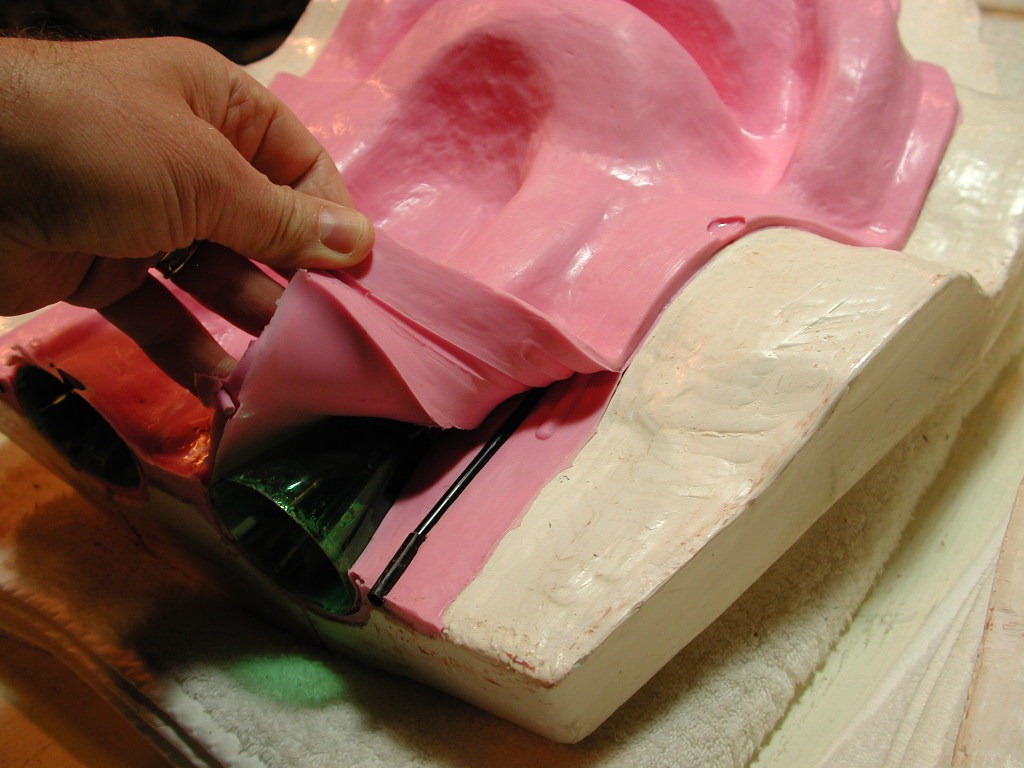
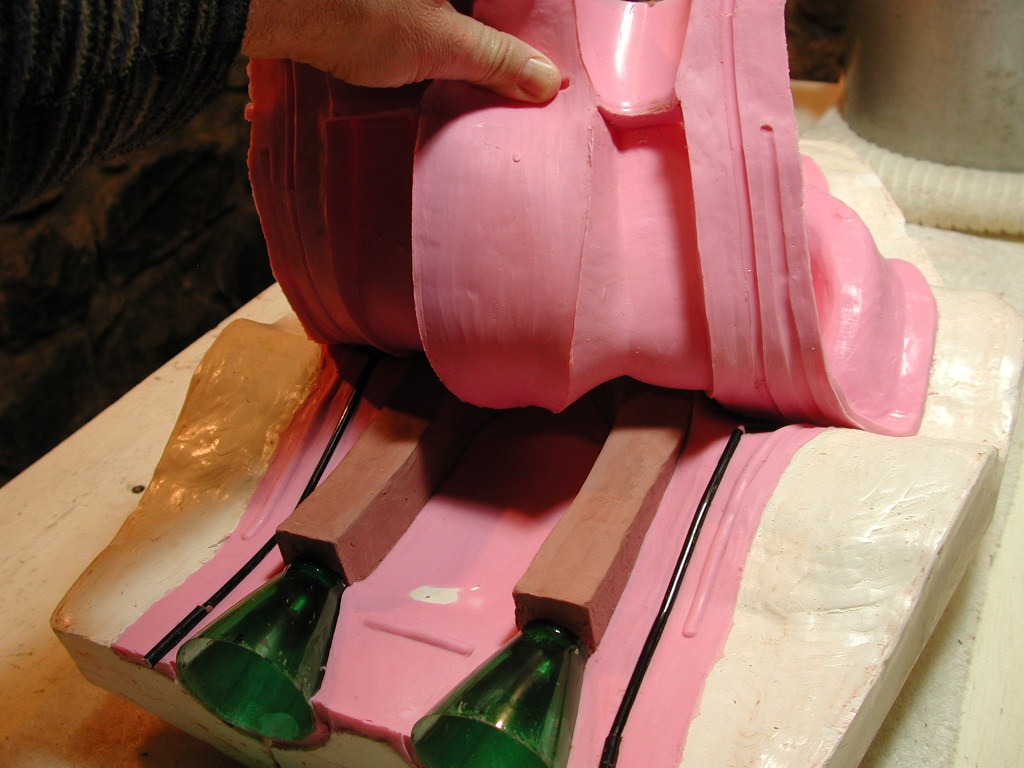
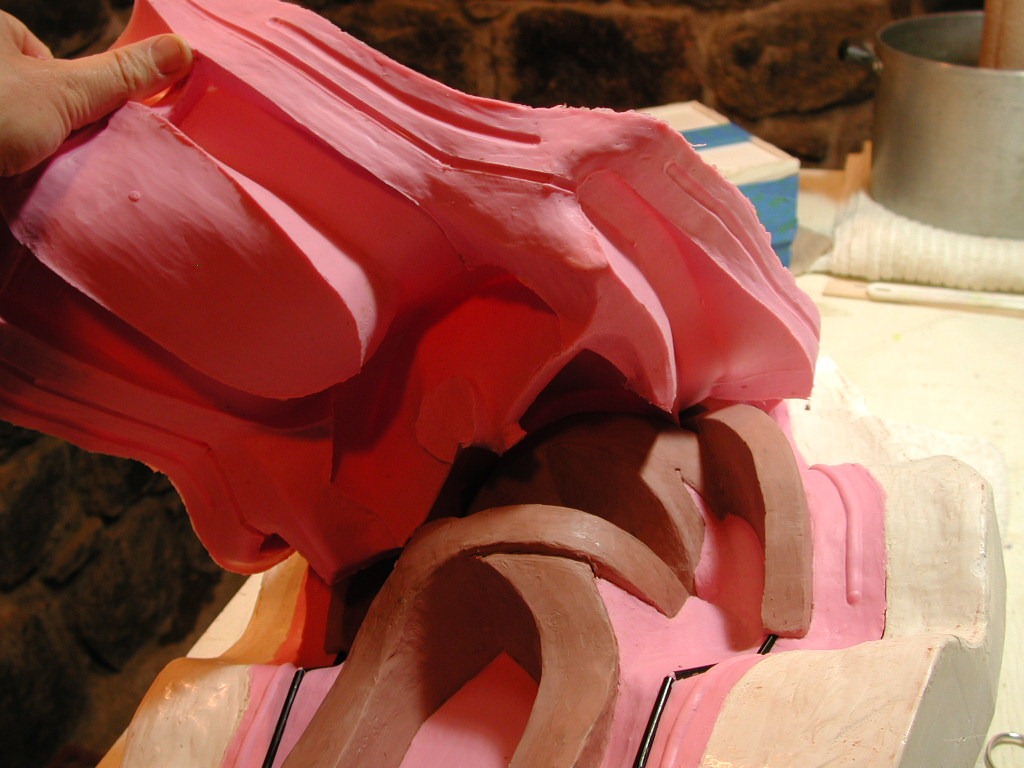
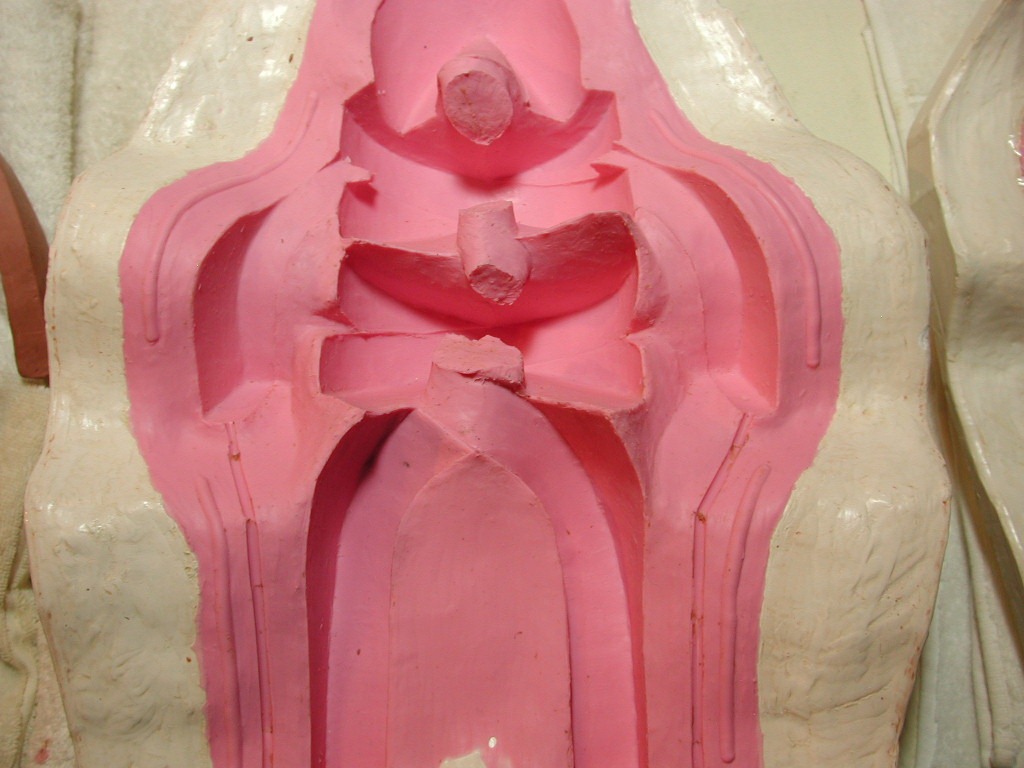
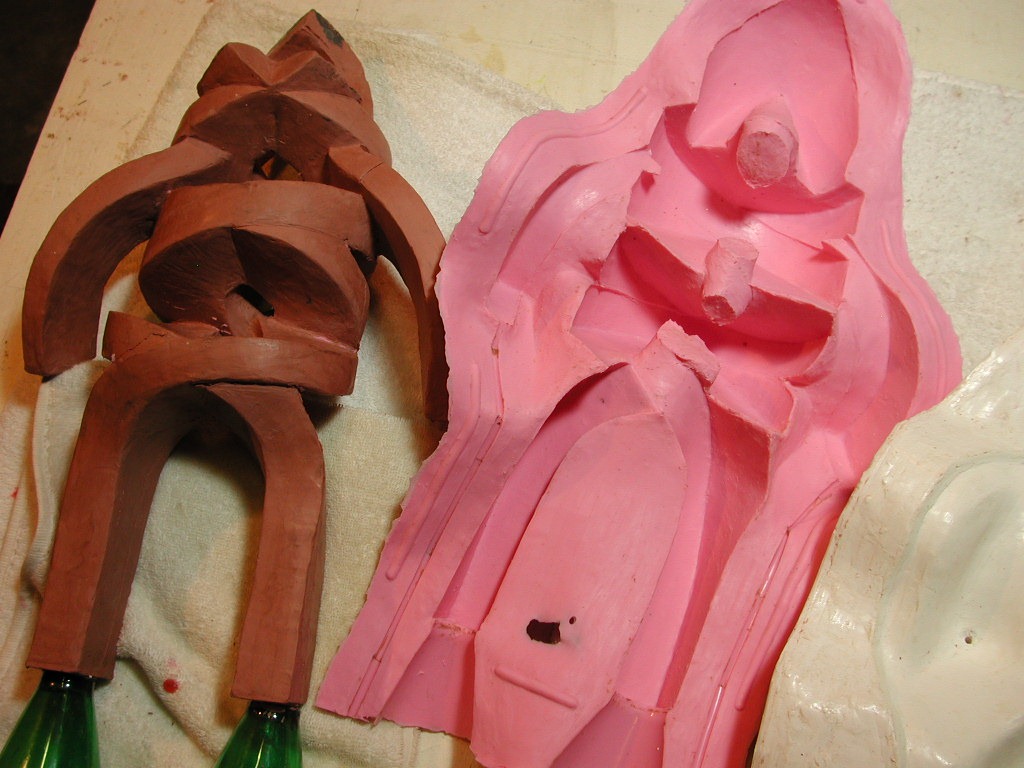
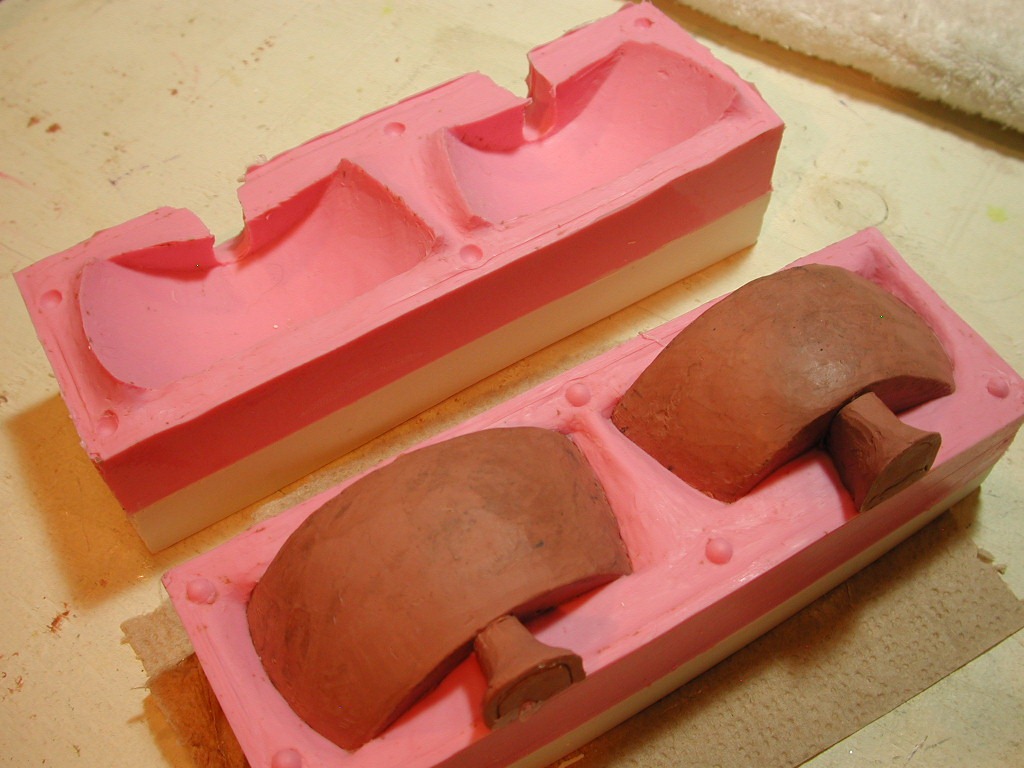
There is nothing left but to remove the model from inside the two halves of silicone mold. Starting at a corner I can peel apart the mold gently all around. Because of the release, the two parts will separate.

b_fullreveal

c_fullreveal

d_fullreveal

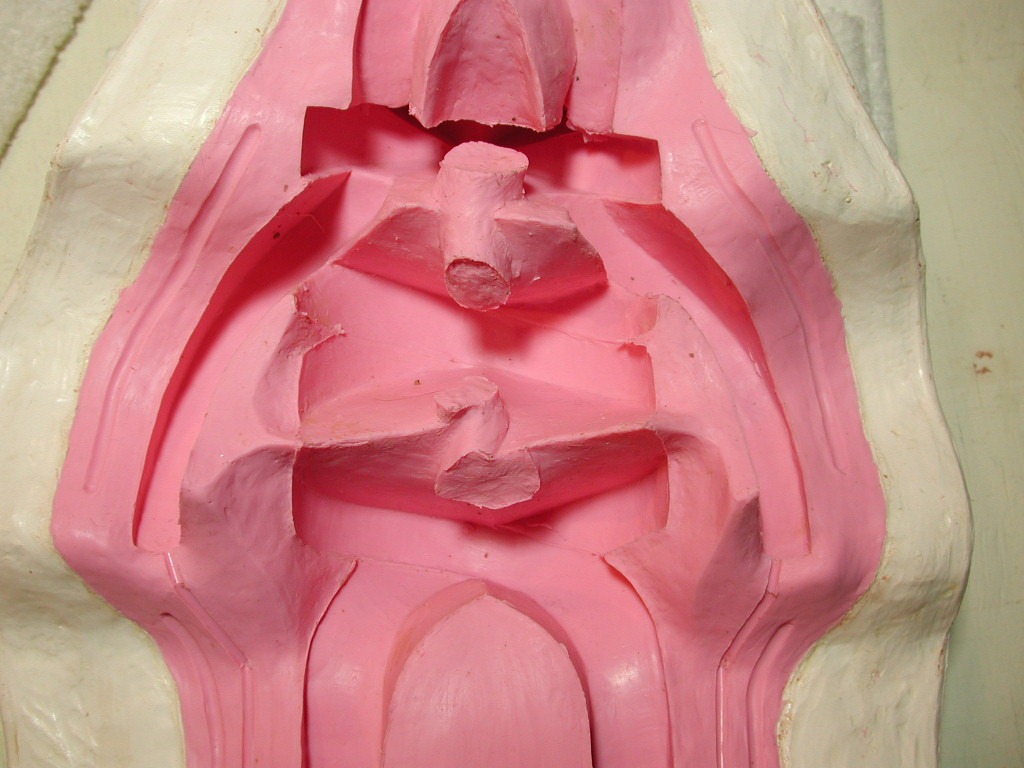
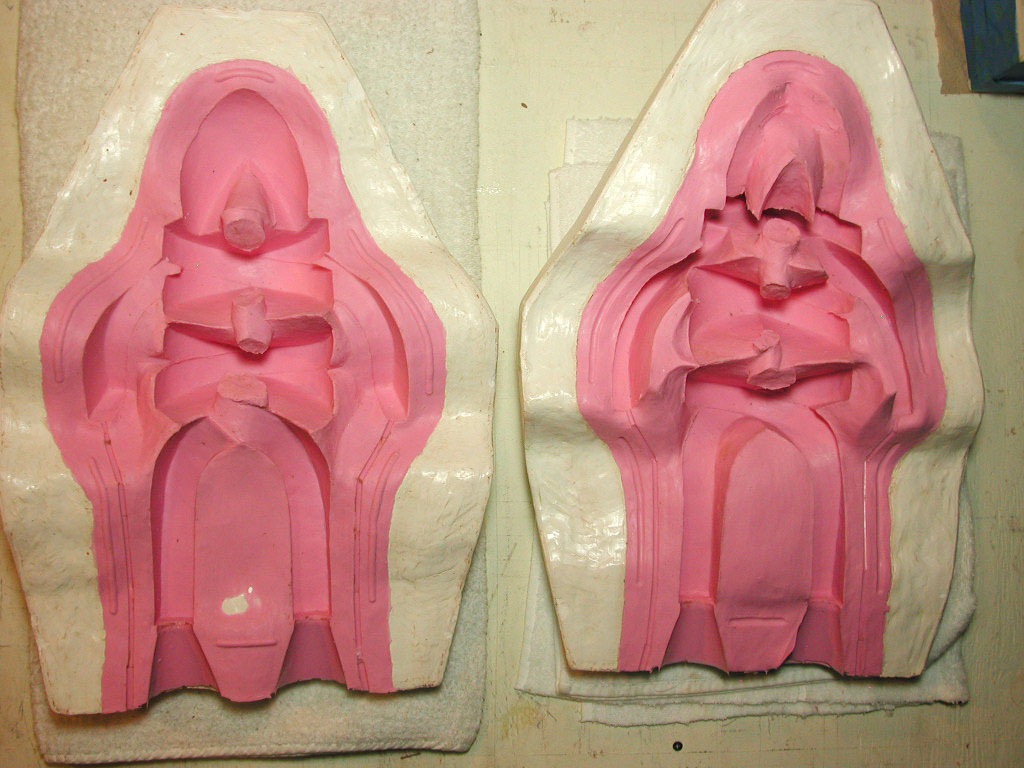
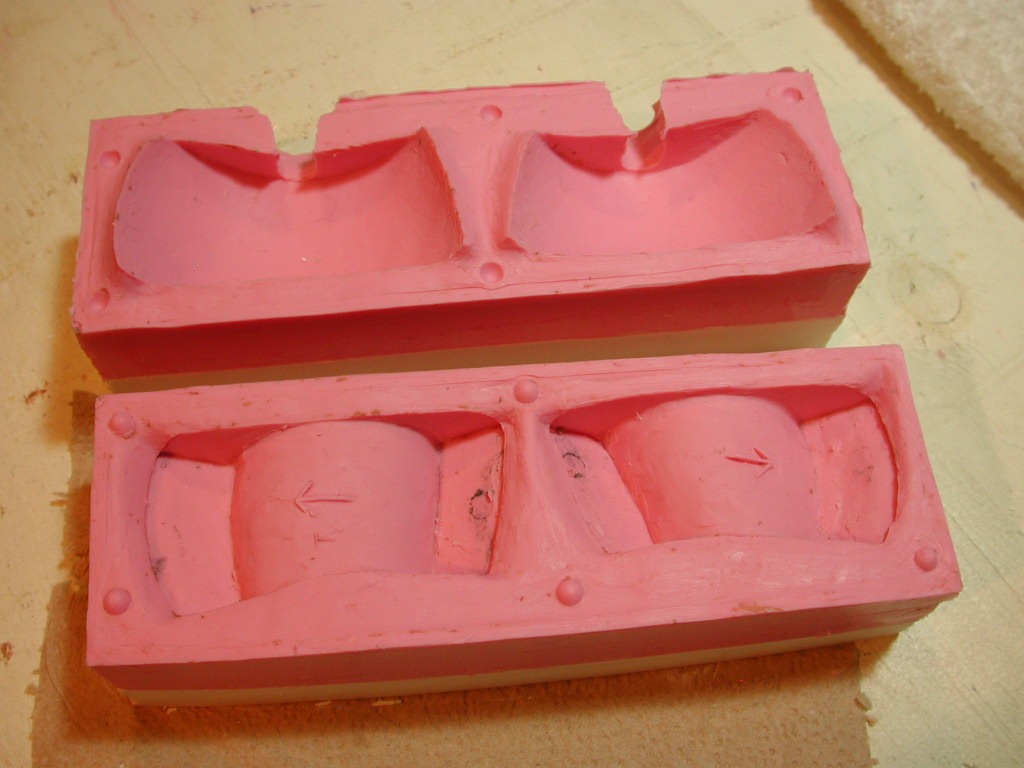
The deep crevices, and where there are holes through the model’s axis, are the trickiest, but because of the thinness of the mold layer, as I had planned and hoped, the mold bends away and removes easily enough, and cleanly, without tearing the model up any. That should mean my wax casts later will come out undamaged and with the minimum about of touchup needed.Those holes through the axis were critical in my planning of this piece from the beginning, in both the design of the model and the mold, and I am grateful that it all turned out so well.

Silicone back-

f_fullreveal

g_fullreveal

Silicone front-

i_fullreveal

j_fullreveal

I surprise myself sometimes. With care and patience, I see that many difficult things are possible. The model, after so many months, now free, and in pretty good shape. And the two mold halves, complete. Complicated. It’s kind of amazing that all of that is two parts. The silicone rubber mold material is amazing.

h_fullreveal

l_fullreveal

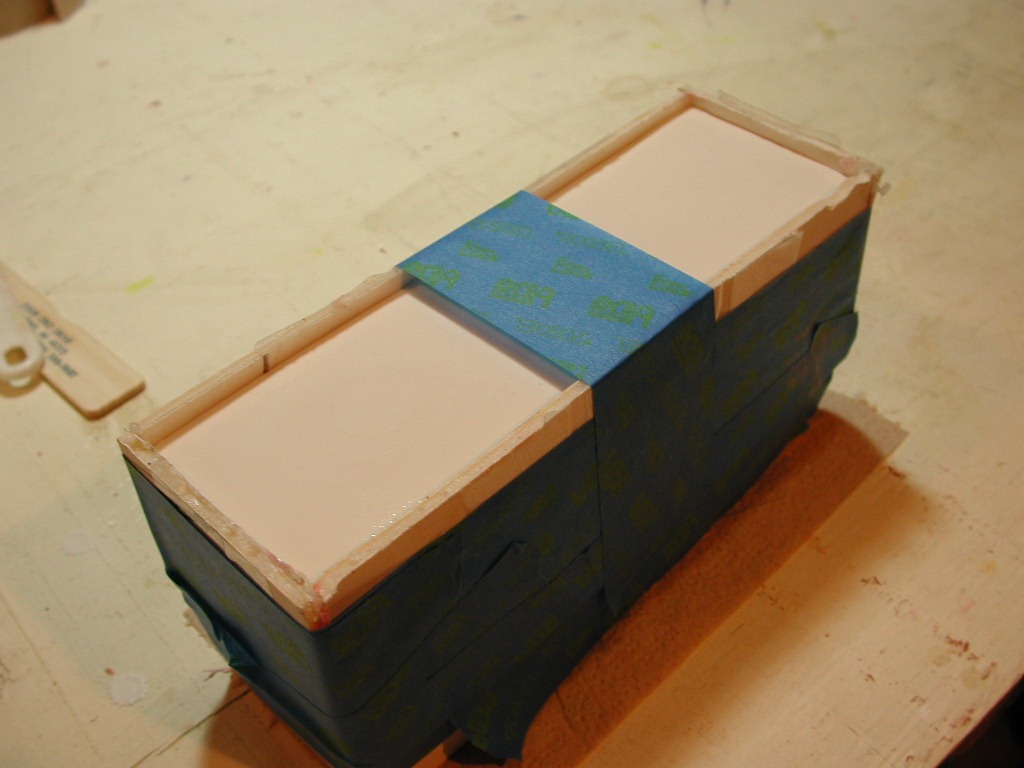
The little block mold of the two head-pieces turned out well. I’d had a brief scare where I doubted if I could definitely recall that I had applied the release or not, but I had, it all came apart just fine. I had poured a plaster top for the mold.

a_fullreveal

Remove the box

m_fullreveal

Split the mold

n_fullreveal

Remove the models. Done.

o_fullreveal

I’ll clean and wash the molds next. Then, I can’t think of anything to prevent me from casting a wax from this, and that will begin another sequence of complicated events leading up to the bronze pour itself. But before that, I am so overcome with a feeling of relief about this project coming to success that I may want to take a short break and do something nice. The weather’s getter good finally, and this Winter’s worth of effort is completed. It would be a nice thing if I took my wife on a date.

Parting line

I added vents at the ends of the arms. They are cocktail straws, snipped and buried halfway in the clay bed.

a_partingline

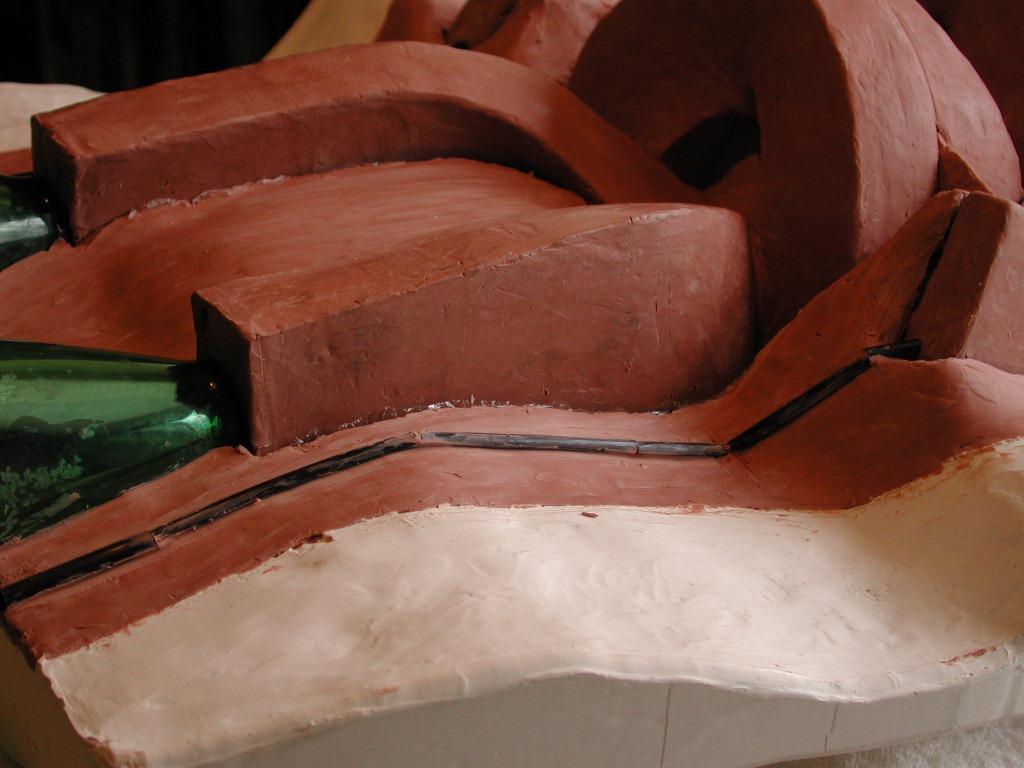
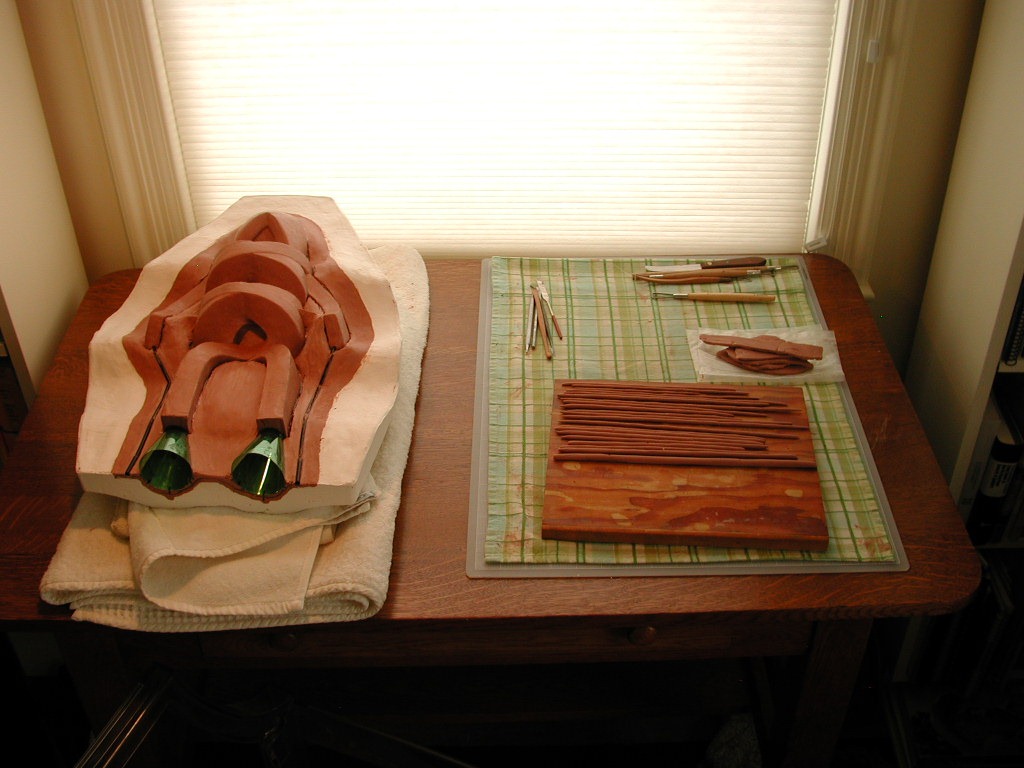
At last I’ll finalize the parting line around the piece for the mold halves. Prepare a variety of clay snakes, collect your favorite tools, and find a comfortable place to work with good lighting:

b_partingline

Also, have a good cup of coffee, and listen to Radio La 2×4 Buenos Aries. (http://www.buenosaires.gob.ar/la2x4)

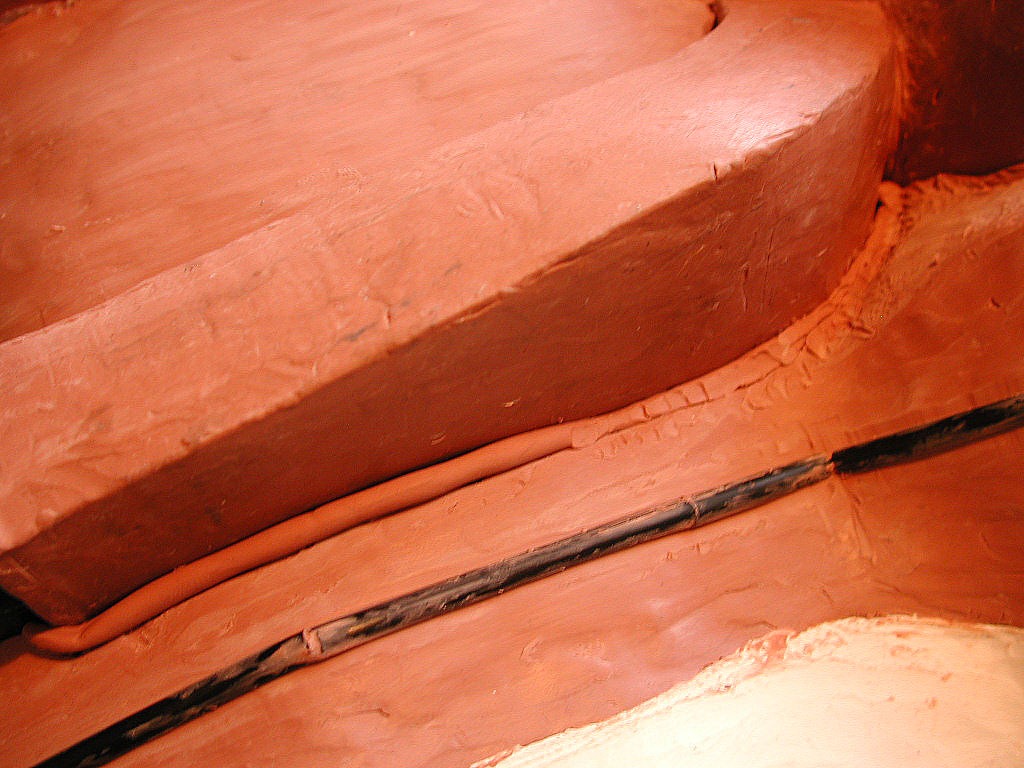
The techniques I think works best is, having built up in a general way close to the piece, to now lay a line of clay along the remaining gap of about the same size as the gap or slightly larger, and simply press it gently into place with small tools.

c_partingline

This neatly fills and seals the gap, without applying pressure onto the piece which will make the clay line difficult to remove cleanly and without blemish to the piece later. The gap must seal completely.

One side done, halfway around.

d_partingline

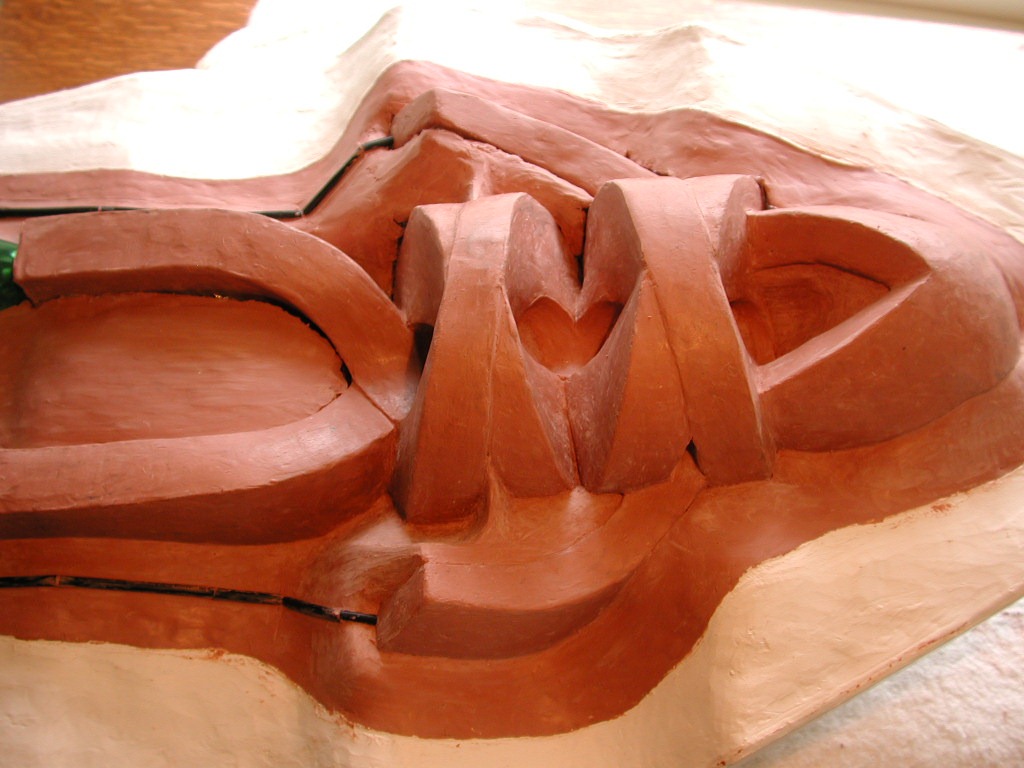
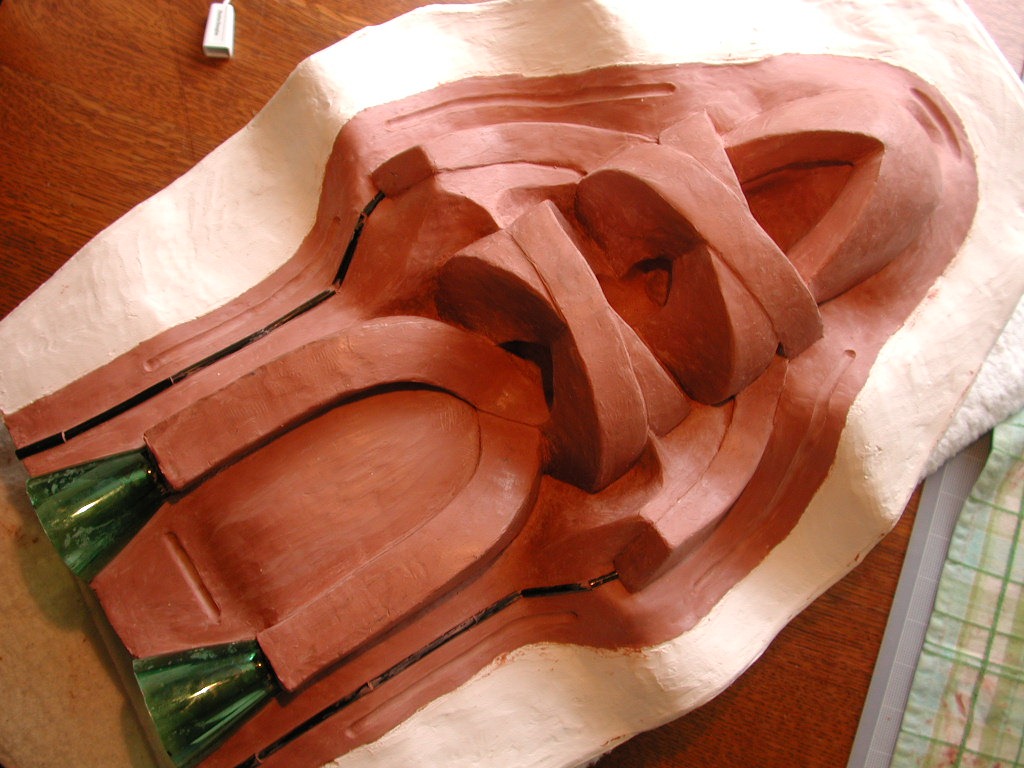
And finished, including some keys which can help to keep the two halves in alignment. I don’t take keys too seriously like some people. I think the complexity of the plaster mother mold’s shape, is enough to keep the silicone in place, but people expect to see these in a mold so  do a little of it, for example. I think channel shaped keys like this do more to help prevent material you pour into the mold, like wax or plastic, from leaking out at the seams while it solidifies.

e_partingline

f_partingline

g_partingline

h_partingline

i_partingline

Next, I’m ready to pour the silicone to form the blanket mold of the first side you see here. Exciting!

Open

I had to go snowboarding again, sun and snow perfect, clear-minded oblivion. By now the plaster shell is really dry. I stand it up and very carefully, open it by inserting some wooden wedges  and tap gently with a hammer. As soon as the suction is broken it comes apart easily. Do not pry. Be patient. I open the mold so as to reveal the first side that I worked on, that hasn’t seen daylight since the end of December. Nice, isn’t it? Face it, there is satisfaction in doing your craft right.

a_open

b_open

d_open

Now I’m going to remove that pretty clay blanket and reveal the model under it. I’ll use a palette knife to cut and separate the blanket from the plaster,

e_open

carefully peal back the blanket,

f_open

more,

g_open

and more, until the model is revealed, but still resting in the bed of clay which is the second-side blanket. I had done some work earlier on to roughly define a parting line in clay from this first side, when it was still in the cradle, and you can see some of that in place still. The task now is to detail that parting line perfectly.

h_open

I save the clay blanket that was removed, because I can weigh it and know roughly the amount of silicone rubber I’ll need later to fill the void between where the blanket was removed and the plaster mother mold. We’re some way off from that still.

i_open
I cut back the plastic wrap with small scissors, which has been helping to protect the model from the clay blanket to the existing rough parting line,

j_open

and tuck in the loose edges under the rough parting line. This way the plastic is still protecting the second side, you don’t need to remove the model from the mold at all, to get the plastic off, and it’s usually hard to do that without harming the model anyway.

k_open

l_open

There we are, ready to begin work on the final parting line. I’ll point out that the outlines will be pretty simple, but the holes through the middle of the body must be handled somehow and even though the silicone rubber material is very forgiving about undercuts and such, I’ll need to proceed with deliberation and reason.

m_open